

GIVE THE PERFECT GIFT
Erin Mills Town Centre Gift Cards are the perfect choice for your gift giving needs.Purchase gift cards at kiosks near the food court or centre court, at Guest Services, or click below to purchase online.PURCHASE HEREHome
Ford Madox Ford: Literary Networks and Cultural Transformations
Indigo
Loading Inventory...
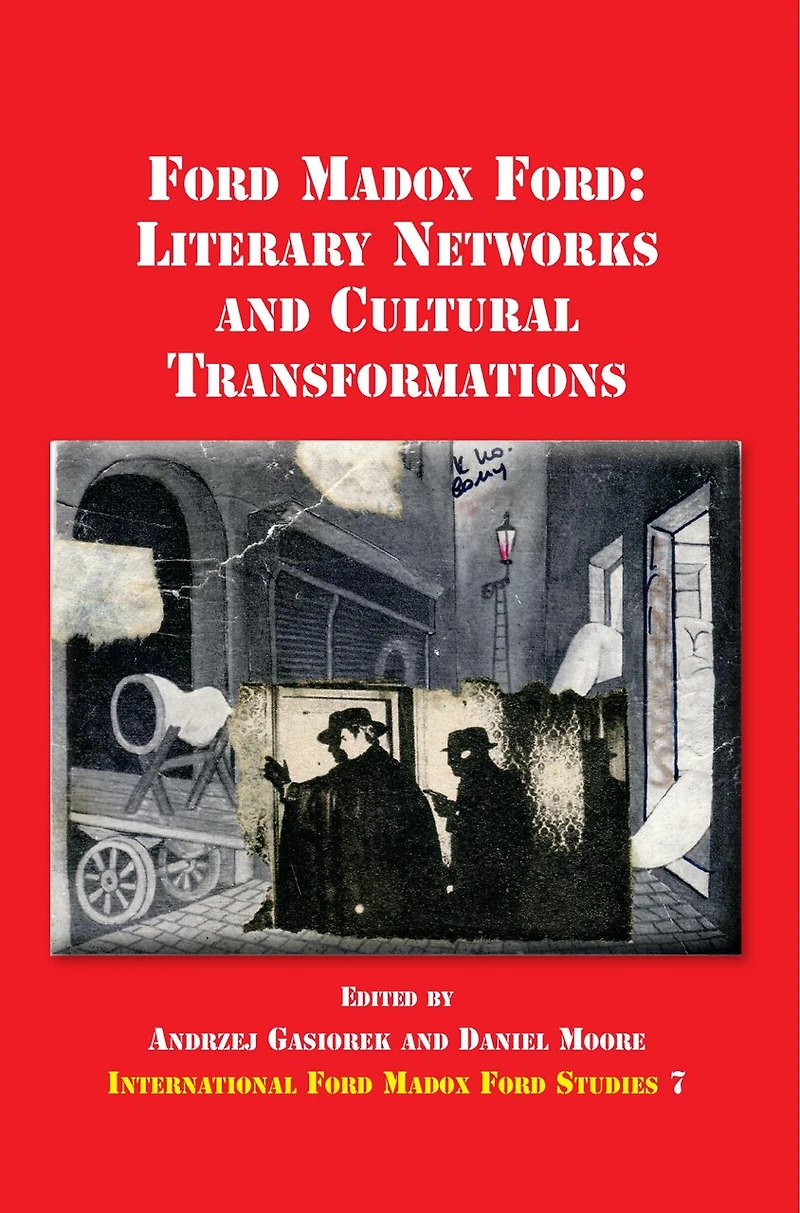
Ford Madox Ford: Literary Networks and Cultural Transformations
Current price: $146.99

Ford Madox Ford: Literary Networks and Cultural Transformations
Current price: $146.99
Loading Inventory...
Size: Paperback
*Product information may vary - to confirm product availability, pricing, shipping and return information please contact Indigo
The controversial British writer Ford Madox Ford (1873-1939) is increasingly recognized as a major presence in early twentieth-century literature. This series of International Ford Madox Ford Studies was founded to reflect the recent resurgence of interest in him. Each volume is based upon a particular theme or issue; and relates aspects of Ford’s work, life, and contacts, to broader concerns of his time. The present book is part of a large-scale reassessment of his roles in literary history.
Ford is best-known for his fiction, especially The Good Soldier , long considered a modernist masterpiece; and Parade’s End , which Anthony Burgess described as ‘the finest novel about the First World War’; and Samuel Hynes has called ‘the greatest war novel ever written by an Englishman’. In these, as in most of his books, Ford renders and analyses the crucial transformations in modern society and culture. One of the most striking features of his career is his close involvement with so many of the major international literary groupings of his time. In the South-East of England at the fin-de-siècle , he collaborated for a decade with Joseph Conrad, and befriended Henry James and H. G. Wells. In Edwardian London he founded the English Review , publishing these writers alongside his new discoveries, Ezra Pound, D. H. Lawrence, and Wyndham Lewis. After the war he moved to France, founding the transatlantic review in Paris, taking on Hemingway as a sub-editor, discovering another generation of Modernists such as Jean Rhys and Basil Bunting, and publishing them alongside Joyce and Gertrude Stein. Besides his role as contributor and enabler to various versions of Modernism, Ford was also one of its most entertaining chroniclers.
This volume includes twelve new essays on Ford’s engagement with the literary networks and cultural shifts of his era, by leading experts and younger scholars of Ford and Modernism. Two of the essays are by well-known creative writers: the novelist Colm Tóibín, and the novelist and cultural commentator Zinovy Zinik.
The controversial British writer Ford Madox Ford (1873-1939) is increasingly recognized as a major presence in early twentieth-century literature. This series of International Ford Madox Ford Studies was founded to reflect the recent resurgence of interest in him. Each volume is based upon a particular theme or issue; and relates aspects of Ford’s work, life, and contacts, to broader concerns of his time. The present book is part of a large-scale reassessment of his roles in literary history.
Ford is best-known for his fiction, especially The Good Soldier , long considered a modernist masterpiece; and Parade’s End , which Anthony Burgess described as ‘the finest novel about the First World War’; and Samuel Hynes has called ‘the greatest war novel ever written by an Englishman’. In these, as in most of his books, Ford renders and analyses the crucial transformations in modern society and culture. One of the most striking features of his career is his close involvement with so many of the major international literary groupings of his time. In the South-East of England at the fin-de-siècle , he collaborated for a decade with Joseph Conrad, and befriended Henry James and H. G. Wells. In Edwardian London he founded the English Review , publishing these writers alongside his new discoveries, Ezra Pound, D. H. Lawrence, and Wyndham Lewis. After the war he moved to France, founding the transatlantic review in Paris, taking on Hemingway as a sub-editor, discovering another generation of Modernists such as Jean Rhys and Basil Bunting, and publishing them alongside Joyce and Gertrude Stein. Besides his role as contributor and enabler to various versions of Modernism, Ford was also one of its most entertaining chroniclers.
This volume includes twelve new essays on Ford’s engagement with the literary networks and cultural shifts of his era, by leading experts and younger scholars of Ford and Modernism. Two of the essays are by well-known creative writers: the novelist Colm Tóibín, and the novelist and cultural commentator Zinovy Zinik.
You May Also Like








More About Indigo at Erin Mills Town Centre
The largest book retailer in Canada also offers toys, music, home décor, gifts and lifestyle products. What's Inside...Books, Magazines, CD’s and DVD’s, Toys and Gifts, Home Accents, Electronics, Baby’s and Children’s Section, Bath and Body, Kitchen and Bedroom, Stationary Located outside in the exterior plaza.
5015 Glen Erin Dr, Mississauga, ON L5M 0R7, Canada
Find Indigo at Erin Mills Town Centre in Mississauga ON
Visit Indigo at Erin Mills Town Centre in Mississauga ON