

GIVE THE PERFECT GIFT
Erin Mills Town Centre Gift Cards are the perfect choice for your gift giving needs.Purchase gift cards at kiosks near the food court or centre court, at Guest Services, or click below to purchase online.PURCHASE HEREHome
Forensic Genetics in the Governance of Crime
Indigo
Loading Inventory...
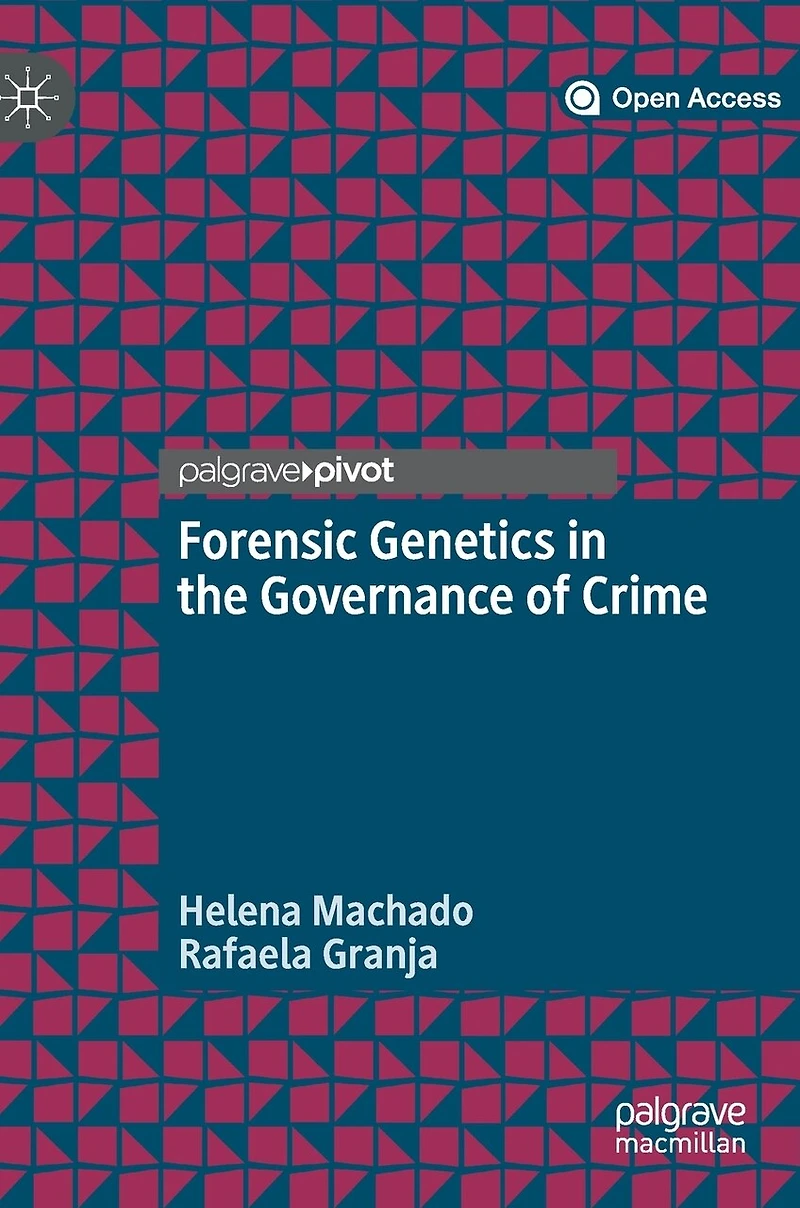
Forensic Genetics in the Governance of Crime
Current price: $87.95

Forensic Genetics in the Governance of Crime
Current price: $87.95
Loading Inventory...
Size: Hardcover
*Product information may vary - to confirm product availability, pricing, shipping and return information please contact Indigo
This open access book uses a critical sociological perspective to explore contemporary ways of reformulating the governance of crime through genetics. Through the lens of scientific knowledge and genetic technology, Machado and Granja offer a unique perspective on current trends in crime governance. They explore the place and role of genetics in criminal justice systems, and show how classical and contemporary social theory can help address challenges posed by social processes and interactions generated by the uses, meanings, and expectations attributed to genetics in the governance of crime. Cutting-edge methods and research techniques are also integrated to address crucial aspects of this social reality. Finally, the authors examine new challenges emerging from recent paradigm shifts within forensic genetics, moving away from the construction of evidence as presented in court to the production of intelligence guiding criminal investigations.
This open access book uses a critical sociological perspective to explore contemporary ways of reformulating the governance of crime through genetics. Through the lens of scientific knowledge and genetic technology, Machado and Granja offer a unique perspective on current trends in crime governance. They explore the place and role of genetics in criminal justice systems, and show how classical and contemporary social theory can help address challenges posed by social processes and interactions generated by the uses, meanings, and expectations attributed to genetics in the governance of crime. Cutting-edge methods and research techniques are also integrated to address crucial aspects of this social reality. Finally, the authors examine new challenges emerging from recent paradigm shifts within forensic genetics, moving away from the construction of evidence as presented in court to the production of intelligence guiding criminal investigations.
You May Also Like














More About Indigo at Erin Mills Town Centre
The largest book retailer in Canada also offers toys, music, home décor, gifts and lifestyle products. What's Inside...Books, Magazines, CD’s and DVD’s, Toys and Gifts, Home Accents, Electronics, Baby’s and Children’s Section, Bath and Body, Kitchen and Bedroom, Stationary Located outside in the exterior plaza.
5015 Glen Erin Dr, Mississauga, ON L5M 0R7, Canada
Find Indigo at Erin Mills Town Centre in Mississauga ON
Visit Indigo at Erin Mills Town Centre in Mississauga ON