

GIVE THE PERFECT GIFT
Erin Mills Town Centre Gift Cards are the perfect choice for your gift giving needs.Purchase gift cards at kiosks near the food court or centre court, at Guest Services, or click below to purchase online.PURCHASE HEREHome
Forest Imaginaries: How African Novels Think
Indigo
Loading Inventory...
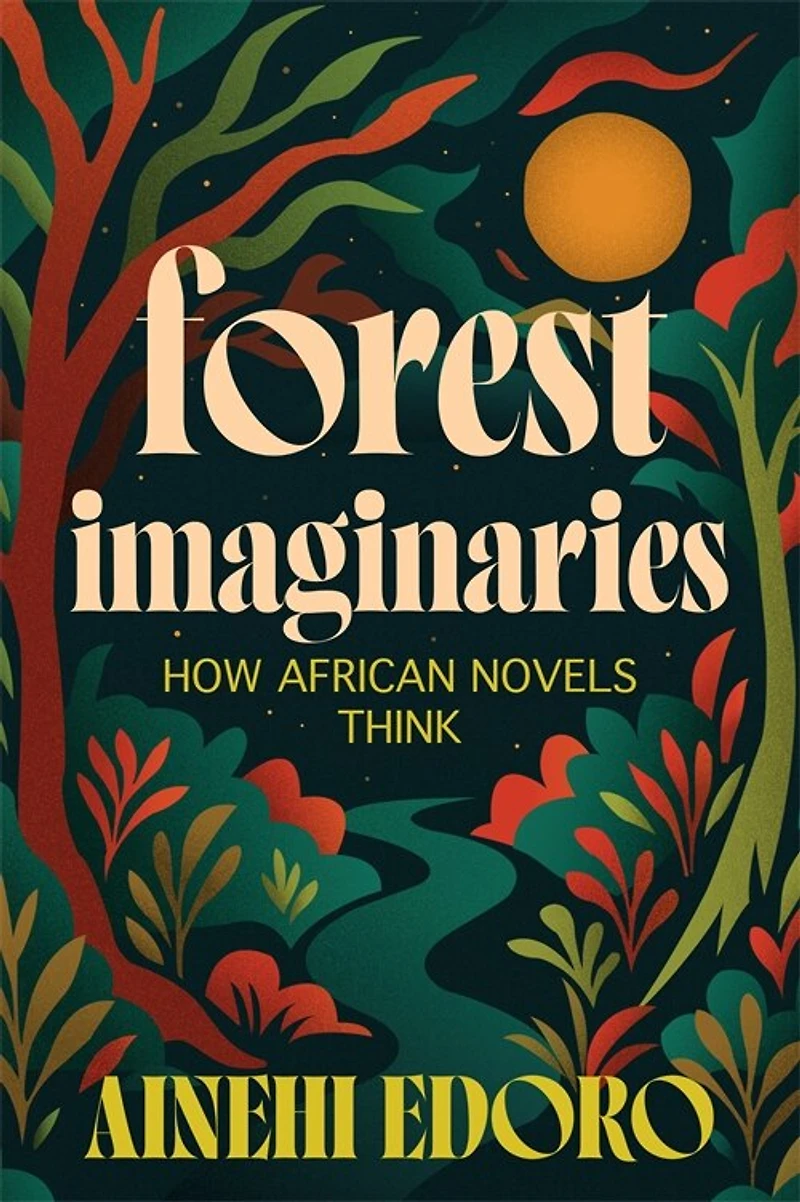
Forest Imaginaries: How African Novels Think
Current price: $182.00

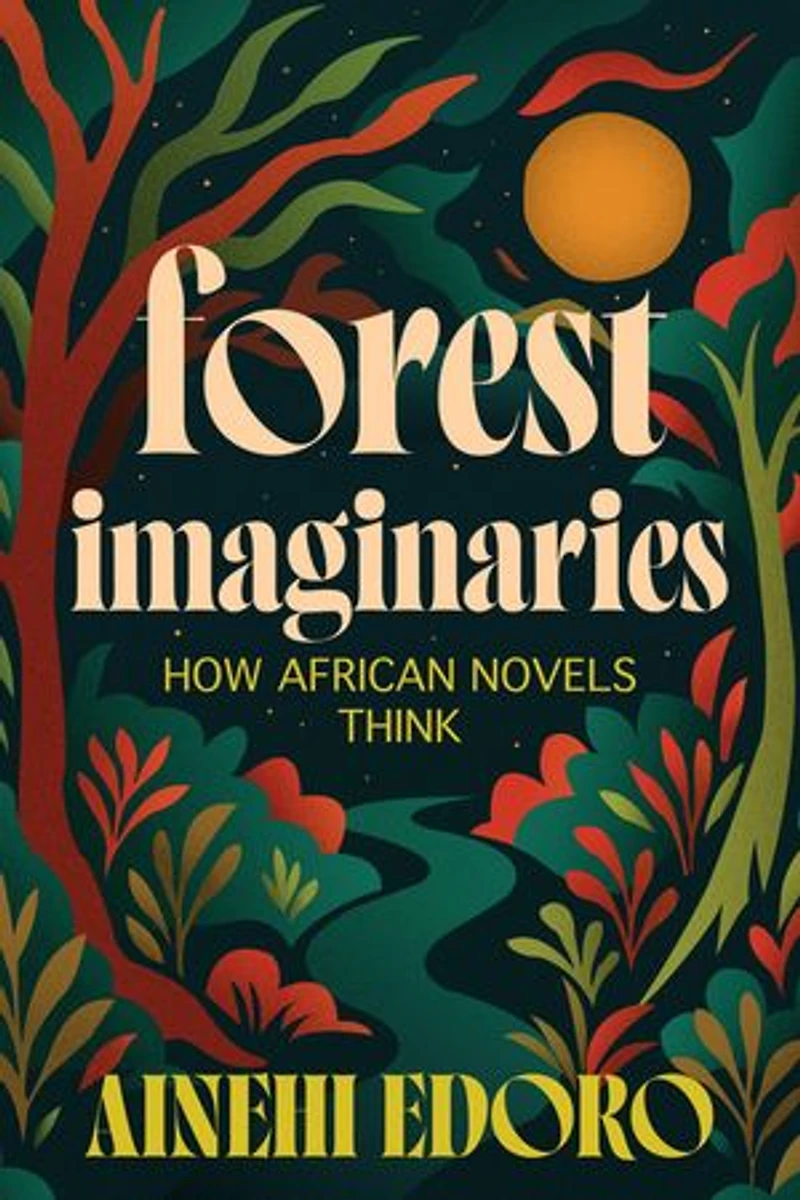
Forest Imaginaries: How African Novels Think
Current price: $182.00
Loading Inventory...
Size: Hardcover
*Product information may vary - to confirm product availability, pricing, shipping and return information please contact Indigo
Forests in fiction are often understood simply as settings, symbols, or remnants of a premodern past. Yet many African novelists have turned to the forest to experiment with worldbuilding and to imagine new futures. This groundbreaking book explores the life of the forest in African fiction, showing how writers have used it to reinvent the novel’s formal, aesthetic, and political possibilities.
Ainehi Edoro argues that forests in African fiction are laboratories for unmaking and remaking the world, where writers break apart familiar forms to test alternate forms of life, knowledge, and power. Instead of treating the forest as a backdrop, these writers imagine it as a living structure: a space where politics, history, myth, violence, technology, the magical, and creativity animate fictional worlds. Spanning indigenous African narratives and contemporary science fiction, Forest Imaginaries traces the lineage of forest worlds in African literature: Chinua Achebe’s evil forest, the cosmic forest in Wọle Ṣóyínká’s mythic imagination, Thomas Mofolo’s forest of imperial dreams, Amos Tutuola’s endless fractal forest, and Nnedi Okorafor’s aquatic forest of new ecological futures. This book rethinks African literary history by showing how African writers draw on the forest—and the wealth of Indigenous ideas about time, space, and storytelling it conjures—to transform the novel’s aesthetic, political, and philosophical horizons.
Forests in fiction are often understood simply as settings, symbols, or remnants of a premodern past. Yet many African novelists have turned to the forest to experiment with worldbuilding and to imagine new futures. This groundbreaking book explores the life of the forest in African fiction, showing how writers have used it to reinvent the novel’s formal, aesthetic, and political possibilities.
Ainehi Edoro argues that forests in African fiction are laboratories for unmaking and remaking the world, where writers break apart familiar forms to test alternate forms of life, knowledge, and power. Instead of treating the forest as a backdrop, these writers imagine it as a living structure: a space where politics, history, myth, violence, technology, the magical, and creativity animate fictional worlds. Spanning indigenous African narratives and contemporary science fiction, Forest Imaginaries traces the lineage of forest worlds in African literature: Chinua Achebe’s evil forest, the cosmic forest in Wọle Ṣóyínká’s mythic imagination, Thomas Mofolo’s forest of imperial dreams, Amos Tutuola’s endless fractal forest, and Nnedi Okorafor’s aquatic forest of new ecological futures. This book rethinks African literary history by showing how African writers draw on the forest—and the wealth of Indigenous ideas about time, space, and storytelling it conjures—to transform the novel’s aesthetic, political, and philosophical horizons.
You May Also Like








More About Indigo at Erin Mills Town Centre
The largest book retailer in Canada also offers toys, music, home décor, gifts and lifestyle products. What's Inside...Books, Magazines, CD’s and DVD’s, Toys and Gifts, Home Accents, Electronics, Baby’s and Children’s Section, Bath and Body, Kitchen and Bedroom, Stationary Located outside in the exterior plaza.
5015 Glen Erin Dr, Mississauga, ON L5M 0R7, Canada
Find Indigo at Erin Mills Town Centre in Mississauga ON
Visit Indigo at Erin Mills Town Centre in Mississauga ON