

GIVE THE PERFECT GIFT
Erin Mills Town Centre Gift Cards are the perfect choice for your gift giving needs.Purchase gift cards at kiosks near the food court or centre court, at Guest Services, or click below to purchase online.PURCHASE HEREHome
Formations of Style and Affiliation: Materiality Mediality Youth Scenes
Indigo
Loading Inventory...
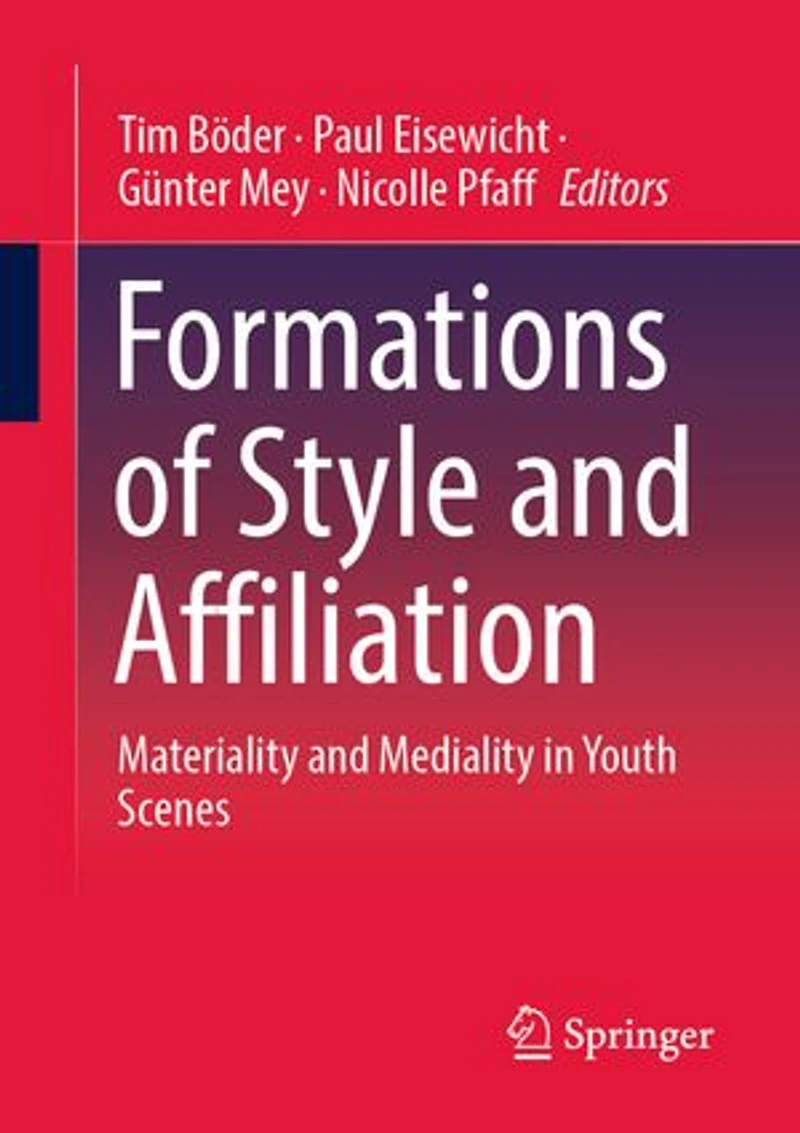
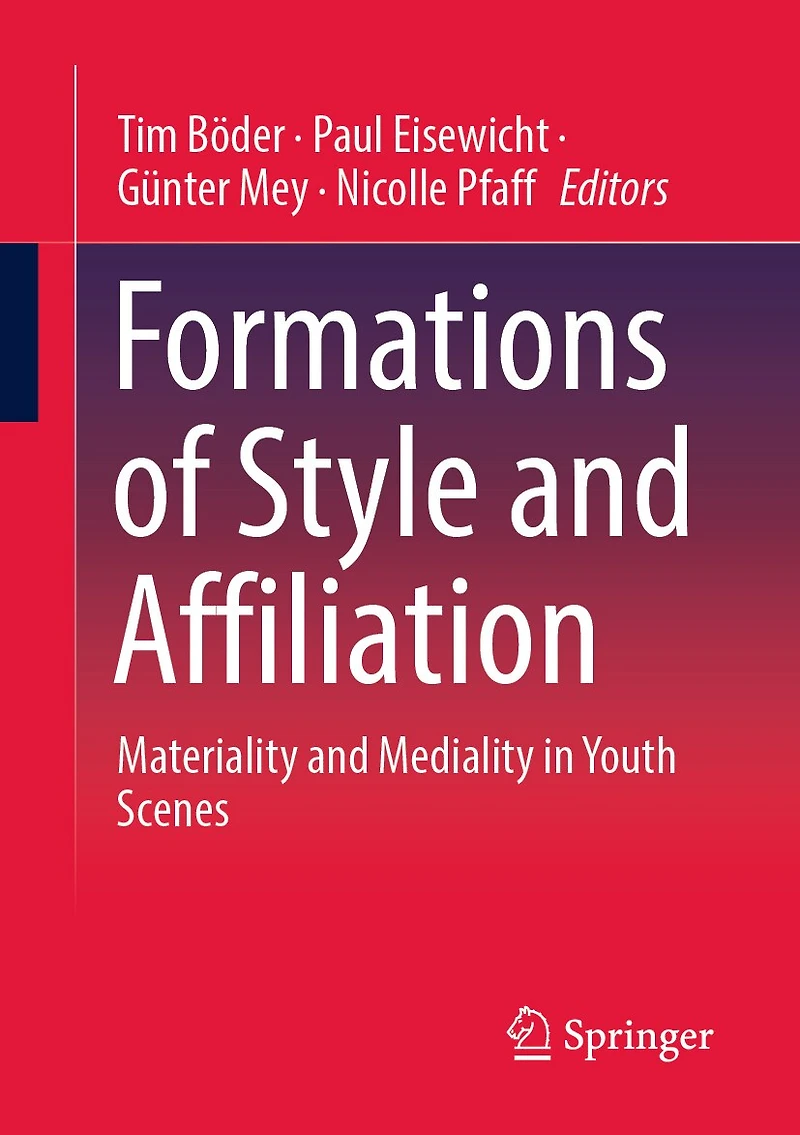
Formations of Style and Affiliation: Materiality Mediality Youth Scenes
Current price: $109.69
Original price: $137.06

Formations of Style and Affiliation: Materiality Mediality Youth Scenes
Current price: $109.69
Original price: $137.06
Loading Inventory...
Size: Kobo eBook
*Product information may vary - to confirm product availability, pricing, shipping and return information please contact Indigo
Scene affiliations can be understood as socially produced and meaningful commonalities of action in style-specific practices. They are displayed, staged, stabilized, and disseminated in the respective style formations via material artifacts and their use, the body, and media forms of expression. Although the importance of artefacts, bodies and media for stylisation processes is continuously emphasised within youth culture and scene research, the systematic analysis of the material and medial dimensions of youth cultural action beyond the description of respective styles rarely comes into focus. Based on this observation, this volume aims to explore the question of which theoretical and methodological perspectives interdisciplinary youth culture and scene research can use to adequately understand the material and medial expressions of styles. The volume brings together contributions devoted to the significance of materiality and mediality in scenes from historical, social and cultural science, and psychological perspectives. The content Youth culture theoretical perspectives on mediality and materiality - Formations of style via media - Formations of style via artefacts - Formations of style via bodies The editors Tim Böder is a research assistant at the AG Jugend- und Schulforschung at the University of Duisburg-Essen. Dr. Paul Eisewicht is a research associate at the Institute of Sociology at the Technical University of Dortmund. Prof. Dr. Günter Mey teaches developmental psychology and qualitative research at the University of Applied Sciences Magdeburg-Stendal. Prof. Dr. Nicolle Pfaff is a university lecturer at the Faculty of Education at the University of Duisburg-Essen.
The translation was done with the help of artificial intelligence. A subsequent human revision was done primarily in terms of content.
Scene affiliations can be understood as socially produced and meaningful commonalities of action in style-specific practices. They are displayed, staged, stabilized, and disseminated in the respective style formations via material artifacts and their use, the body, and media forms of expression. Although the importance of artefacts, bodies and media for stylisation processes is continuously emphasised within youth culture and scene research, the systematic analysis of the material and medial dimensions of youth cultural action beyond the description of respective styles rarely comes into focus. Based on this observation, this volume aims to explore the question of which theoretical and methodological perspectives interdisciplinary youth culture and scene research can use to adequately understand the material and medial expressions of styles. The volume brings together contributions devoted to the significance of materiality and mediality in scenes from historical, social and cultural science, and psychological perspectives. The content Youth culture theoretical perspectives on mediality and materiality - Formations of style via media - Formations of style via artefacts - Formations of style via bodies The editors Tim Böder is a research assistant at the AG Jugend- und Schulforschung at the University of Duisburg-Essen. Dr. Paul Eisewicht is a research associate at the Institute of Sociology at the Technical University of Dortmund. Prof. Dr. Günter Mey teaches developmental psychology and qualitative research at the University of Applied Sciences Magdeburg-Stendal. Prof. Dr. Nicolle Pfaff is a university lecturer at the Faculty of Education at the University of Duisburg-Essen.
The translation was done with the help of artificial intelligence. A subsequent human revision was done primarily in terms of content.
You May Also Like
![The Affiliation of the Algonquin Languages [microform]](https://cdn.mall.adeptmind.ai/https%253A%252F%252Fcdn.shopify.com%252Fs%252Ffiles%252F1%252F0655%252F8980%252F5233%252Ffiles%252F1_a458ec28-acc0-4dba-8145-bb1204463811.jpg_medium.webp)










More About Indigo at Erin Mills Town Centre
The largest book retailer in Canada also offers toys, music, home décor, gifts and lifestyle products. What's Inside...Books, Magazines, CD’s and DVD’s, Toys and Gifts, Home Accents, Electronics, Baby’s and Children’s Section, Bath and Body, Kitchen and Bedroom, Stationary Located outside in the exterior plaza.
5015 Glen Erin Dr, Mississauga, ON L5M 0R7, Canada
Find Indigo at Erin Mills Town Centre in Mississauga ON
Visit Indigo at Erin Mills Town Centre in Mississauga ON