

GIVE THE PERFECT GIFT
Erin Mills Town Centre Gift Cards are the perfect choice for your gift giving needs.Purchase gift cards at kiosks near the food court or centre court, at Guest Services, or click below to purchase online.PURCHASE HEREHome
Foxtrot to Arihant – The Story of Indian Navy’s Submarine Arm
Indigo
Loading Inventory...
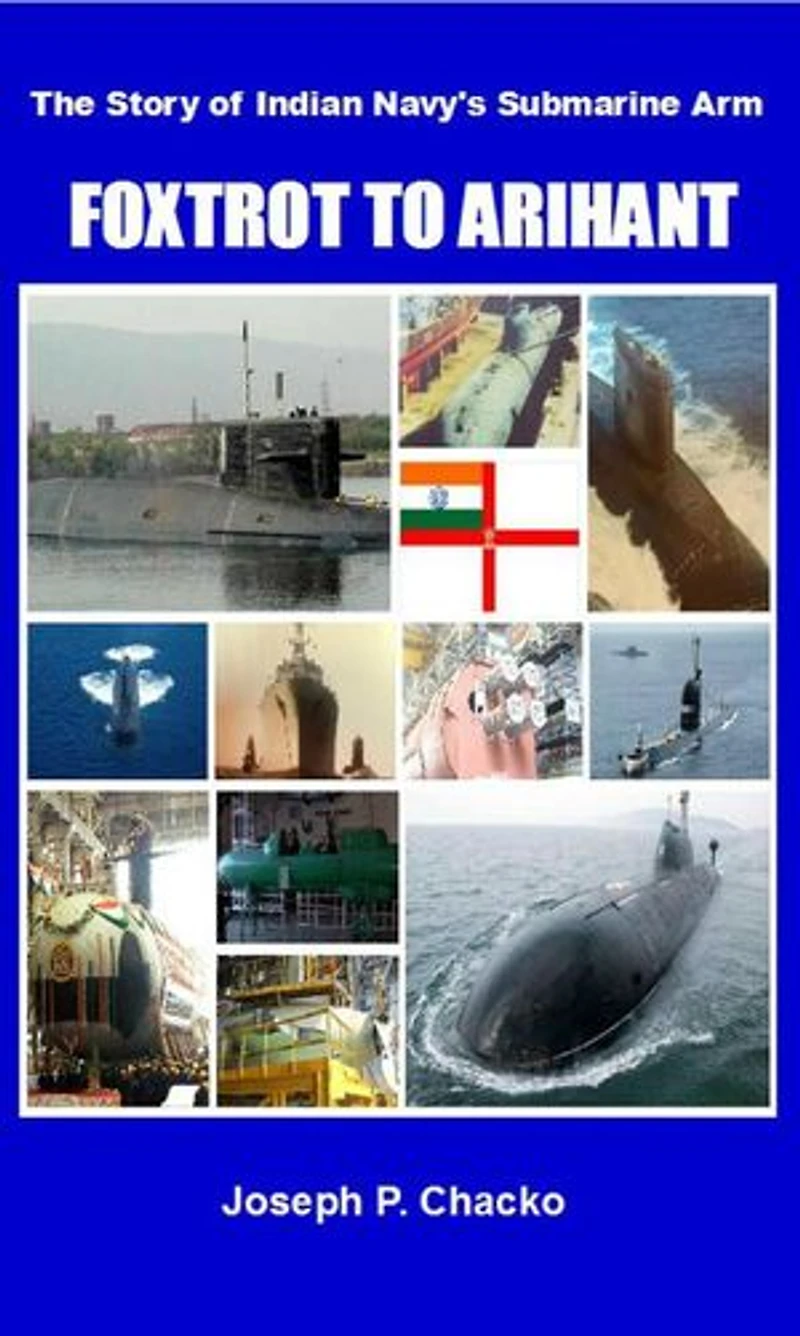
Foxtrot to Arihant – The Story of Indian Navy’s Submarine Arm
Current price: $13.99

Foxtrot to Arihant – The Story of Indian Navy’s Submarine Arm
Current price: $13.99
Loading Inventory...
Size: Kobo eBook
*Product information may vary - to confirm product availability, pricing, shipping and return information please contact Indigo
The Indian navy's silent but deadly sub surface fighting arm has undergone tremendous changes since the first Foxtrot submarine was inducted into the service on 8th December 1967. The submarines have been a complex mix of diesel-electric – nuclear propulsion; Soviet – Western – Indian design; and imported – licence – indigenous build. Be it a two man swimmer delivery vehicle or deep water Kilo's and HDW's or blue water Charlie I and Akula II class SSGN's or strategic Arihant class SSBN's, the navy has operated the entire spectrum of submarine types. The grit and determination of the submariners is not just limited to fighting but also to build their own machines and fight. The submarine arm is also a bit of mystery and usually finds mentions in few pages in naval books or makes headlines during accidents. The book traces the origin and growth of the submarine arm of the Indian navy.
The book has been written in consultation with Cmde Arun Kumar, AVSM, NM (Retd.) who has served 28 years in the submarine arm and has headed critical submarine upgrade and procurement plans. In his twenty eight years of submarine career, he held various staff and command appointments. He was Commodore Commanding Submarines (East) & Commanded INS Virbahu, the submarine base in the East which is still regarded as the 'Alma Mater' by the submariners of the Indian Navy; commanded the guided missile destroyer Rajput; and the Submarine Training school Satavahana. His last appointment in service was Principal Director of Submarine Acquisitions at NHQ.
VAdm K.N Sushil, PVSM, AVSM, NM, ADC, Former Chief Southern Naval Command (Redt.) has written the preface. Cmde Ranjit B. Rai (Retd.) has contributed 3 chapters to the book.
The Indian navy's silent but deadly sub surface fighting arm has undergone tremendous changes since the first Foxtrot submarine was inducted into the service on 8th December 1967. The submarines have been a complex mix of diesel-electric – nuclear propulsion; Soviet – Western – Indian design; and imported – licence – indigenous build. Be it a two man swimmer delivery vehicle or deep water Kilo's and HDW's or blue water Charlie I and Akula II class SSGN's or strategic Arihant class SSBN's, the navy has operated the entire spectrum of submarine types. The grit and determination of the submariners is not just limited to fighting but also to build their own machines and fight. The submarine arm is also a bit of mystery and usually finds mentions in few pages in naval books or makes headlines during accidents. The book traces the origin and growth of the submarine arm of the Indian navy.
The book has been written in consultation with Cmde Arun Kumar, AVSM, NM (Retd.) who has served 28 years in the submarine arm and has headed critical submarine upgrade and procurement plans. In his twenty eight years of submarine career, he held various staff and command appointments. He was Commodore Commanding Submarines (East) & Commanded INS Virbahu, the submarine base in the East which is still regarded as the 'Alma Mater' by the submariners of the Indian Navy; commanded the guided missile destroyer Rajput; and the Submarine Training school Satavahana. His last appointment in service was Principal Director of Submarine Acquisitions at NHQ.
VAdm K.N Sushil, PVSM, AVSM, NM, ADC, Former Chief Southern Naval Command (Redt.) has written the preface. Cmde Ranjit B. Rai (Retd.) has contributed 3 chapters to the book.
You May Also Like












More About Indigo at Erin Mills Town Centre
The largest book retailer in Canada also offers toys, music, home décor, gifts and lifestyle products. What's Inside...Books, Magazines, CD’s and DVD’s, Toys and Gifts, Home Accents, Electronics, Baby’s and Children’s Section, Bath and Body, Kitchen and Bedroom, Stationary Located outside in the exterior plaza.
5015 Glen Erin Dr, Mississauga, ON L5M 0R7, Canada
Find Indigo at Erin Mills Town Centre in Mississauga ON
Visit Indigo at Erin Mills Town Centre in Mississauga ON