

GIVE THE PERFECT GIFT
Erin Mills Town Centre Gift Cards are the perfect choice for your gift giving needs.Purchase gift cards at kiosks near the food court or centre court, at Guest Services, or click below to purchase online.PURCHASE HEREHome
Fractal Architecture: Organic Design Philosophy Theory and Practice
Indigo
Loading Inventory...
Fractal Architecture: Organic Design Philosophy Theory and Practice
Current price: $73.99

Fractal Architecture: Organic Design Philosophy Theory and Practice
Current price: $73.99
Loading Inventory...
Size: Kobo eBook
*Product information may vary - to confirm product availability, pricing, shipping and return information please contact Indigo
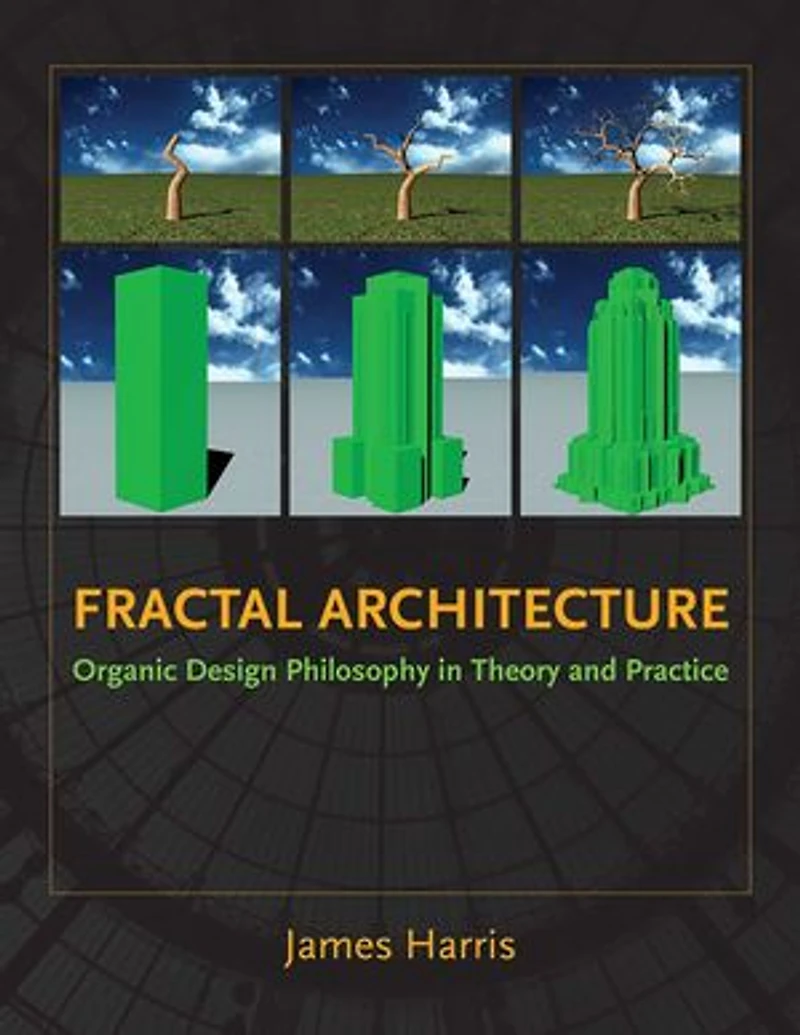
Throughout history, nature has served as an inspiration for architecture and designers have tried to incorporate the harmonies and patterns of nature into architectural form. Alberti, Charles Renee Macintosh, Frank Lloyd Wright, and Le Courbusier are just a few of the well- known figures who have taken this approach and written on this theme. With the development of fractal geometry--the study of intricate and interesting self- similar mathematical patterns--in the last part of the twentieth century, the quest to replicate nature's creative code took a stunning new turn. Using computers, it is now possible to model and create the organic, self-similar forms of nature in a way never previously realized.
In Fractal Architecture , architect James Harris presents a definitive, lavishly illustrated guide that explains both the how and why of incorporating fractal geometry into architectural design.
Throughout history, nature has served as an inspiration for architecture and designers have tried to incorporate the harmonies and patterns of nature into architectural form. Alberti, Charles Renee Macintosh, Frank Lloyd Wright, and Le Courbusier are just a few of the well- known figures who have taken this approach and written on this theme. With the development of fractal geometry--the study of intricate and interesting self- similar mathematical patterns--in the last part of the twentieth century, the quest to replicate nature's creative code took a stunning new turn. Using computers, it is now possible to model and create the organic, self-similar forms of nature in a way never previously realized.
In Fractal Architecture , architect James Harris presents a definitive, lavishly illustrated guide that explains both the how and why of incorporating fractal geometry into architectural design.
You May Also Like









More About Indigo at Erin Mills Town Centre
The largest book retailer in Canada also offers toys, music, home décor, gifts and lifestyle products. What's Inside...Books, Magazines, CD’s and DVD’s, Toys and Gifts, Home Accents, Electronics, Baby’s and Children’s Section, Bath and Body, Kitchen and Bedroom, Stationary Located outside in the exterior plaza.
5015 Glen Erin Dr, Mississauga, ON L5M 0R7, Canada
Find Indigo at Erin Mills Town Centre in Mississauga ON
Visit Indigo at Erin Mills Town Centre in Mississauga ON