

GIVE THE PERFECT GIFT
Erin Mills Town Centre Gift Cards are the perfect choice for your gift giving needs.Purchase gift cards at kiosks near the food court or centre court, at Guest Services, or click below to purchase online.PURCHASE HEREHome
From One Child to Two Children: Opportunities and Challenges for the One-child Generation Cohort in China
Indigo
Loading Inventory...
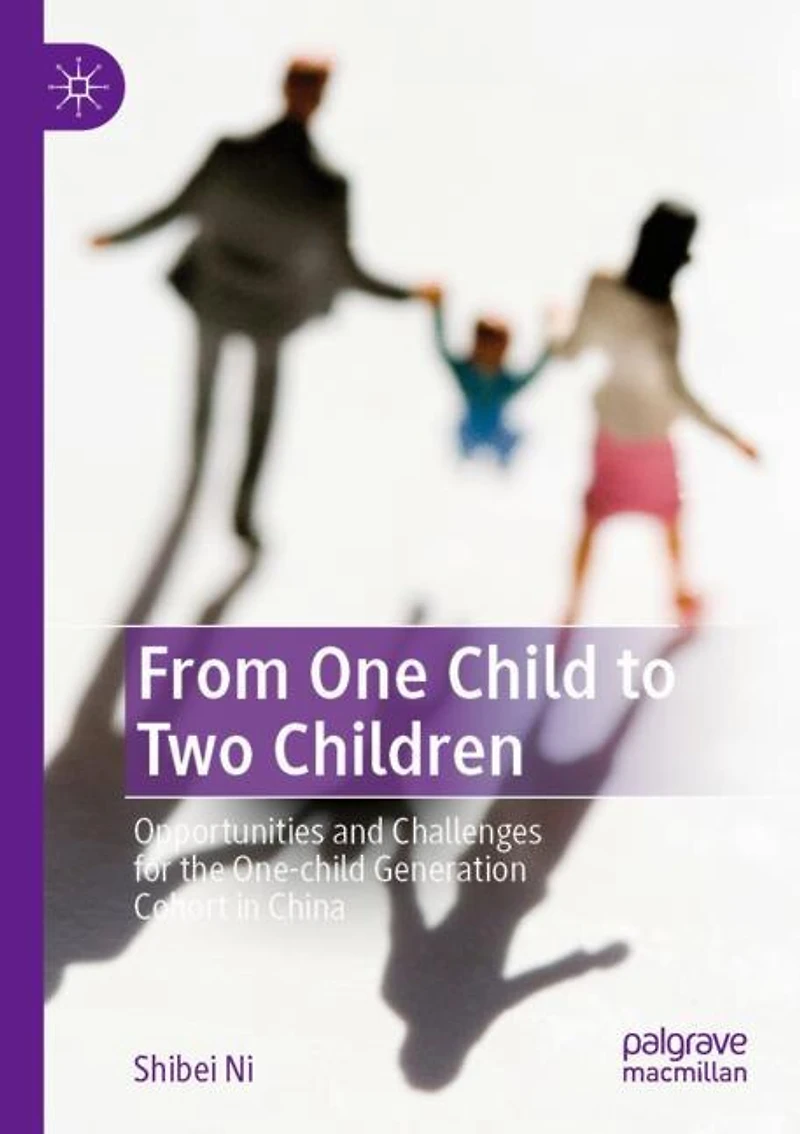
From One Child to Two Children: Opportunities and Challenges for the One-child Generation Cohort in China
Current price: $175.50

From One Child to Two Children: Opportunities and Challenges for the One-child Generation Cohort in China
Current price: $175.50
Loading Inventory...
Size: Paperback
*Product information may vary - to confirm product availability, pricing, shipping and return information please contact Indigo
This book dissects the reproductive intentions and behaviours of the one-child generation cohort in China, situated in the wider context of changing family life patterns and gendered lenses. Demonstrating that the one-child family is still favoured by the one-child generation, this book uncovers the socioeconomic dimensions and mechanisms of family relations underlying young people's decision-making processes. It also incorporates individual considerations and experiences of childbearing from over 50 interviews to contribute to the development of China's social policy. Whereas men's childbearing beliefs were relatively unexplored in the literature, the author included male interviewees to better reflect gender differences in relation to childbearing, employment and family. Analysing the relationship between life routine and the desire (or lack thereof) to increase China's population, the author argues that the current childbearing policy fails to accommodate theneeds and demands of young people, thus limiting the uptake of China's new policy.
This book dissects the reproductive intentions and behaviours of the one-child generation cohort in China, situated in the wider context of changing family life patterns and gendered lenses. Demonstrating that the one-child family is still favoured by the one-child generation, this book uncovers the socioeconomic dimensions and mechanisms of family relations underlying young people's decision-making processes. It also incorporates individual considerations and experiences of childbearing from over 50 interviews to contribute to the development of China's social policy. Whereas men's childbearing beliefs were relatively unexplored in the literature, the author included male interviewees to better reflect gender differences in relation to childbearing, employment and family. Analysing the relationship between life routine and the desire (or lack thereof) to increase China's population, the author argues that the current childbearing policy fails to accommodate theneeds and demands of young people, thus limiting the uptake of China's new policy.
You May Also Like








More About Indigo at Erin Mills Town Centre
The largest book retailer in Canada also offers toys, music, home décor, gifts and lifestyle products. What's Inside...Books, Magazines, CD’s and DVD’s, Toys and Gifts, Home Accents, Electronics, Baby’s and Children’s Section, Bath and Body, Kitchen and Bedroom, Stationary Located outside in the exterior plaza.
5015 Glen Erin Dr, Mississauga, ON L5M 0R7, Canada
Find Indigo at Erin Mills Town Centre in Mississauga ON
Visit Indigo at Erin Mills Town Centre in Mississauga ON