

GIVE THE PERFECT GIFT
Erin Mills Town Centre Gift Cards are the perfect choice for your gift giving needs.Purchase gift cards at kiosks near the food court or centre court, at Guest Services, or click below to purchase online.PURCHASE HEREHome
From the Romans to the Railways: The Fate of Antiquities in Asia Minor
Indigo
Loading Inventory...
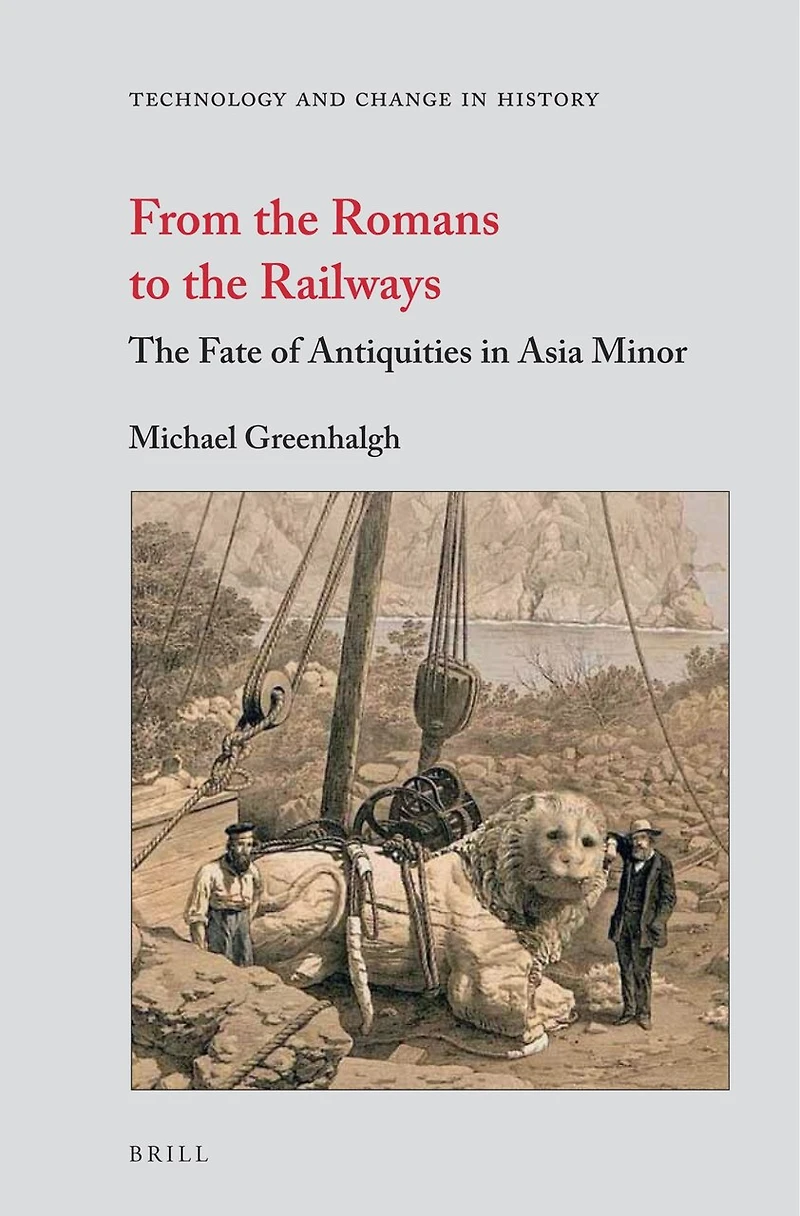
From the Romans to the Railways: The Fate of Antiquities in Asia Minor
Current price: $351.99

From the Romans to the Railways: The Fate of Antiquities in Asia Minor
Current price: $351.99
Loading Inventory...
Size: Hardcover
*Product information may vary - to confirm product availability, pricing, shipping and return information please contact Indigo
This multi-disciplinary account of the fate of ancient monuments and technologies in Asia Minor studies the processes and their results with the help of archaeology, history, construction engineering, and travel documentation. To clarify changes, their causes and repercussions, it compares infrastructure engineering (transportation, water management, utilitarian architecture) in antiquity with developments over the past 200 years, using the accounts of European travellers and then of excavations. It analyses patterns of and reasons for the deterioration of material life, documenting the perceptions and understanding of Roman antiquities and engineering by populations living amidst ancient Roman art and architecture, roads, and aqueducts. These are complemented by travellers' accounts of the myriad aspects of the plundering of archaeological sites and antiquities.
This multi-disciplinary account of the fate of ancient monuments and technologies in Asia Minor studies the processes and their results with the help of archaeology, history, construction engineering, and travel documentation. To clarify changes, their causes and repercussions, it compares infrastructure engineering (transportation, water management, utilitarian architecture) in antiquity with developments over the past 200 years, using the accounts of European travellers and then of excavations. It analyses patterns of and reasons for the deterioration of material life, documenting the perceptions and understanding of Roman antiquities and engineering by populations living amidst ancient Roman art and architecture, roads, and aqueducts. These are complemented by travellers' accounts of the myriad aspects of the plundering of archaeological sites and antiquities.
You May Also Like







More About Indigo at Erin Mills Town Centre
The largest book retailer in Canada also offers toys, music, home décor, gifts and lifestyle products. What's Inside...Books, Magazines, CD’s and DVD’s, Toys and Gifts, Home Accents, Electronics, Baby’s and Children’s Section, Bath and Body, Kitchen and Bedroom, Stationary Located outside in the exterior plaza.
5015 Glen Erin Dr, Mississauga, ON L5M 0R7, Canada
Find Indigo at Erin Mills Town Centre in Mississauga ON
Visit Indigo at Erin Mills Town Centre in Mississauga ON