

GIVE THE PERFECT GIFT
Erin Mills Town Centre Gift Cards are the perfect choice for your gift giving needs.Purchase gift cards at kiosks near the food court or centre court, at Guest Services, or click below to purchase online.PURCHASE HEREHome
Fuel Cells: Technologies For Processing
Indigo
Loading Inventory...
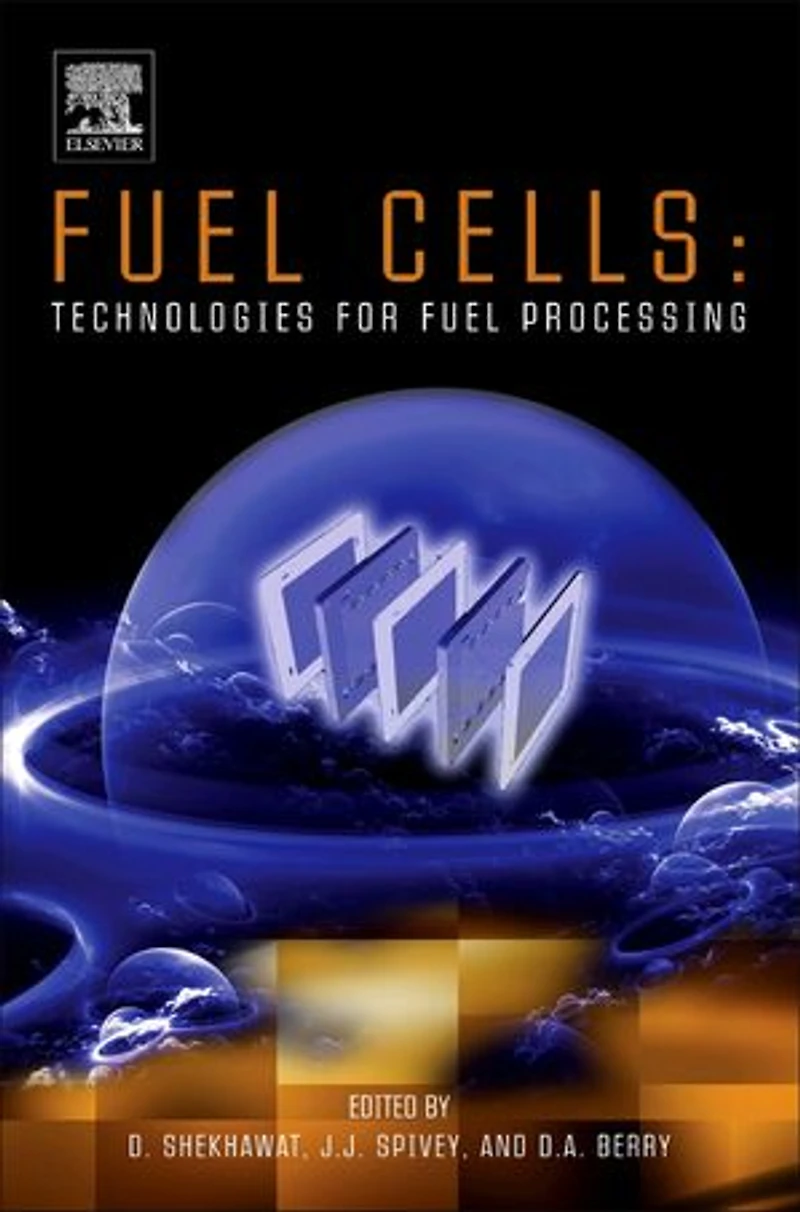
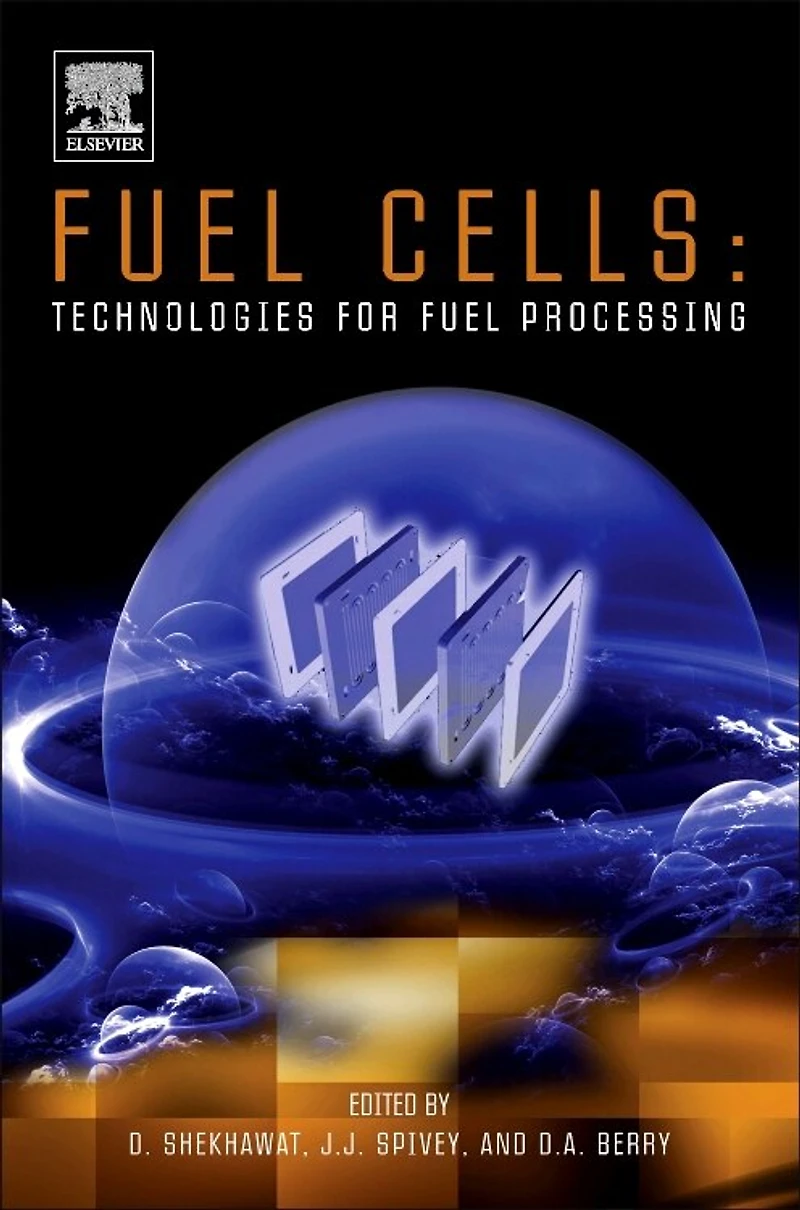
Fuel Cells: Technologies For Processing
Current price: $123.99
Original price: $155.00

Fuel Cells: Technologies For Processing
Current price: $123.99
Original price: $155.00
Loading Inventory...
Size: Kobo eBook
*Product information may vary - to confirm product availability, pricing, shipping and return information please contact Indigo
Fuel Cells: Technologies for Fuel Processing provides an overview of the most important aspects of fuel reforming to the generally interested reader, researcher, technologist, teacher, student, or engineer. The topics covered include all aspects of fuel reforming: fundamental chemistry, different modes of reforming, catalysts, catalyst deactivation, fuel desulfurization, reaction engineering, novel reforming concepts, thermodynamics, heat and mass transfer issues, system design, and recent research and development. While no attempt is made to describe the fuel cell itself, there is sufficient description of the fuel cell to show how it affects the fuel reformer. By focusing on the fundamentals, this book aims to be a source of information now and in the future. By avoiding time-sensitive information/analysis (e.g., economics) it serves as a single source of information for scientists and engineers in fuel processing technology. The material is presented in such a way that this book will serve as a reference for graduate level courses, fuel cell developers, and fuel cell researchers.
Chapters written by experts in each area
Extensive bibliography supporting each chapter
Detailed index
Up-to-date diagrams and full colour illustrations
Fuel Cells: Technologies for Fuel Processing provides an overview of the most important aspects of fuel reforming to the generally interested reader, researcher, technologist, teacher, student, or engineer. The topics covered include all aspects of fuel reforming: fundamental chemistry, different modes of reforming, catalysts, catalyst deactivation, fuel desulfurization, reaction engineering, novel reforming concepts, thermodynamics, heat and mass transfer issues, system design, and recent research and development. While no attempt is made to describe the fuel cell itself, there is sufficient description of the fuel cell to show how it affects the fuel reformer. By focusing on the fundamentals, this book aims to be a source of information now and in the future. By avoiding time-sensitive information/analysis (e.g., economics) it serves as a single source of information for scientists and engineers in fuel processing technology. The material is presented in such a way that this book will serve as a reference for graduate level courses, fuel cell developers, and fuel cell researchers.
Chapters written by experts in each area
Extensive bibliography supporting each chapter
Detailed index
Up-to-date diagrams and full colour illustrations
You May Also Like








More About Indigo at Erin Mills Town Centre
The largest book retailer in Canada also offers toys, music, home décor, gifts and lifestyle products. What's Inside...Books, Magazines, CD’s and DVD’s, Toys and Gifts, Home Accents, Electronics, Baby’s and Children’s Section, Bath and Body, Kitchen and Bedroom, Stationary Located outside in the exterior plaza.
5015 Glen Erin Dr, Mississauga, ON L5M 0R7, Canada
Find Indigo at Erin Mills Town Centre in Mississauga ON
Visit Indigo at Erin Mills Town Centre in Mississauga ON