

GIVE THE PERFECT GIFT
Erin Mills Town Centre Gift Cards are the perfect choice for your gift giving needs.Purchase gift cards at kiosks near the food court or centre court, at Guest Services, or click below to purchase online.PURCHASE HEREHome
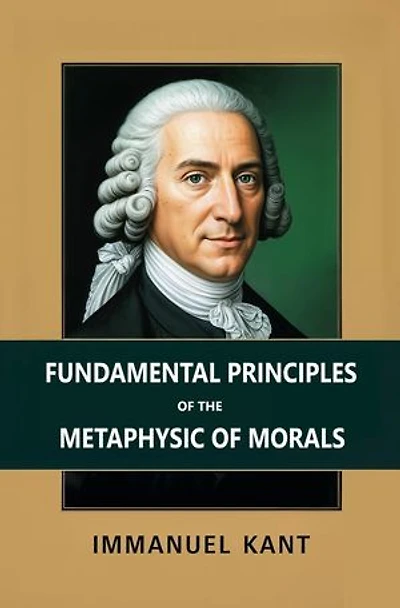
Fundamental Principles of the Metaphysic of Morals
Indigo
Loading Inventory...

Fundamental Principles of the Metaphysic of Morals
Current price: $1.32

Fundamental Principles of the Metaphysic of Morals
Current price: $1.32
Loading Inventory...
Size: Kobo eBook
*Product information may vary - to confirm product availability, pricing, shipping and return information please contact Indigo
Key themes and ideas explored in "Fundamental Principles of the Metaphysic of Morals" include:The Categorical Imperative: The central concept in Kant's moral philosophy is the "categorical imperative." Kant argues that moral actions are guided by unconditional and universal moral principles that he calls categorical imperatives. These imperatives are binding on all rational beings and are not dependent on personal desires or inclinations.Autonomy and Rationality: Kant believes that morality is based on rationality and autonomy. Moral agents, according to Kant, act autonomously when they are guided by reason and are not merely following external commands or desires.Good Will: Kant identifies the "good will" as the highest and most valuable moral quality. A good will is one that acts out of duty, adhering to moral principles regardless of the consequences or personal gain.Universalizability: Kant's ethics is based on the idea of universalizability, which means that moral principles must be applicable to all rational beings. An action is morally permissible if its maxim (the principle on which it is based) can be consistently universalized without contradiction.
Key themes and ideas explored in "Fundamental Principles of the Metaphysic of Morals" include:The Categorical Imperative: The central concept in Kant's moral philosophy is the "categorical imperative." Kant argues that moral actions are guided by unconditional and universal moral principles that he calls categorical imperatives. These imperatives are binding on all rational beings and are not dependent on personal desires or inclinations.Autonomy and Rationality: Kant believes that morality is based on rationality and autonomy. Moral agents, according to Kant, act autonomously when they are guided by reason and are not merely following external commands or desires.Good Will: Kant identifies the "good will" as the highest and most valuable moral quality. A good will is one that acts out of duty, adhering to moral principles regardless of the consequences or personal gain.Universalizability: Kant's ethics is based on the idea of universalizability, which means that moral principles must be applicable to all rational beings. An action is morally permissible if its maxim (the principle on which it is based) can be consistently universalized without contradiction.
You May Also Like















More About Indigo at Erin Mills Town Centre
The largest book retailer in Canada also offers toys, music, home décor, gifts and lifestyle products. What's Inside...Books, Magazines, CD’s and DVD’s, Toys and Gifts, Home Accents, Electronics, Baby’s and Children’s Section, Bath and Body, Kitchen and Bedroom, Stationary Located outside in the exterior plaza.
5015 Glen Erin Dr, Mississauga, ON L5M 0R7, Canada
Find Indigo at Erin Mills Town Centre in Mississauga ON
Visit Indigo at Erin Mills Town Centre in Mississauga ON