

GIVE THE PERFECT GIFT
Erin Mills Town Centre Gift Cards are the perfect choice for your gift giving needs.Purchase gift cards at kiosks near the food court or centre court, at Guest Services, or click below to purchase online.PURCHASE HEREHome
Gambling on War: Confidence, Fear, and the Tragedy of First World War
Indigo
Loading Inventory...
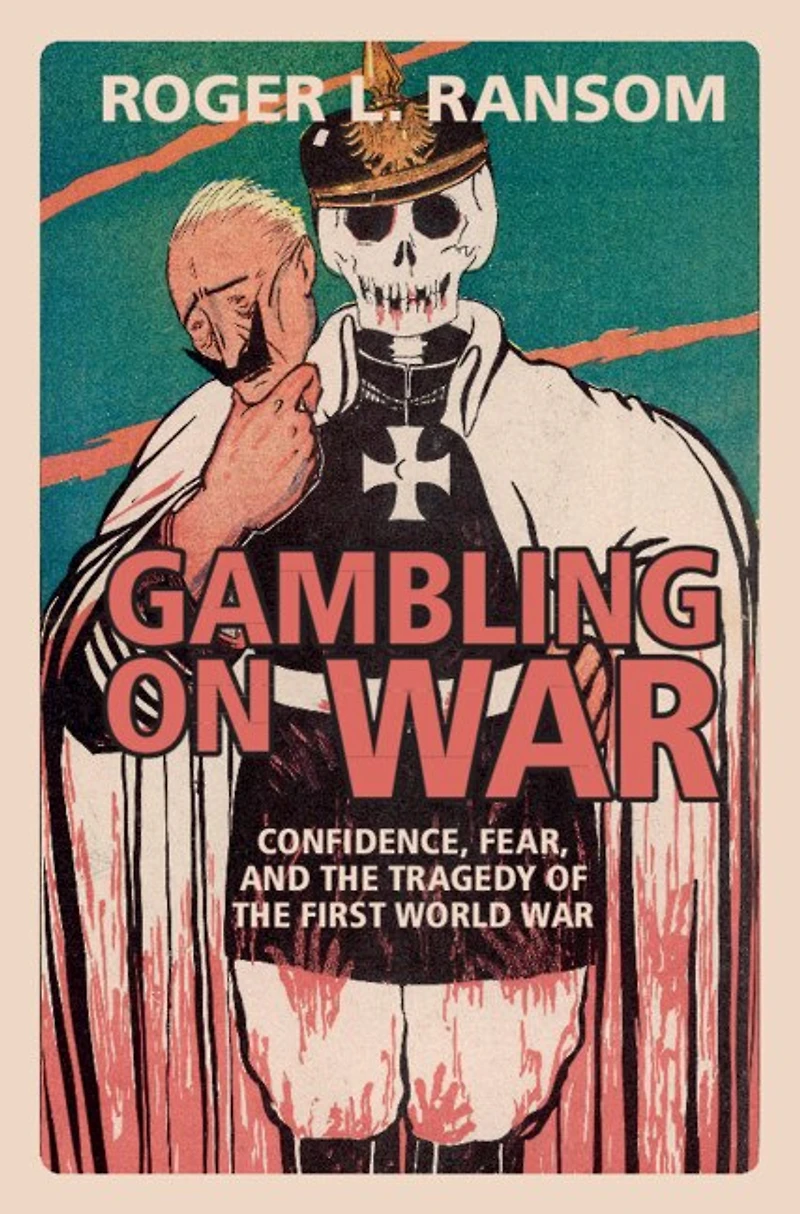
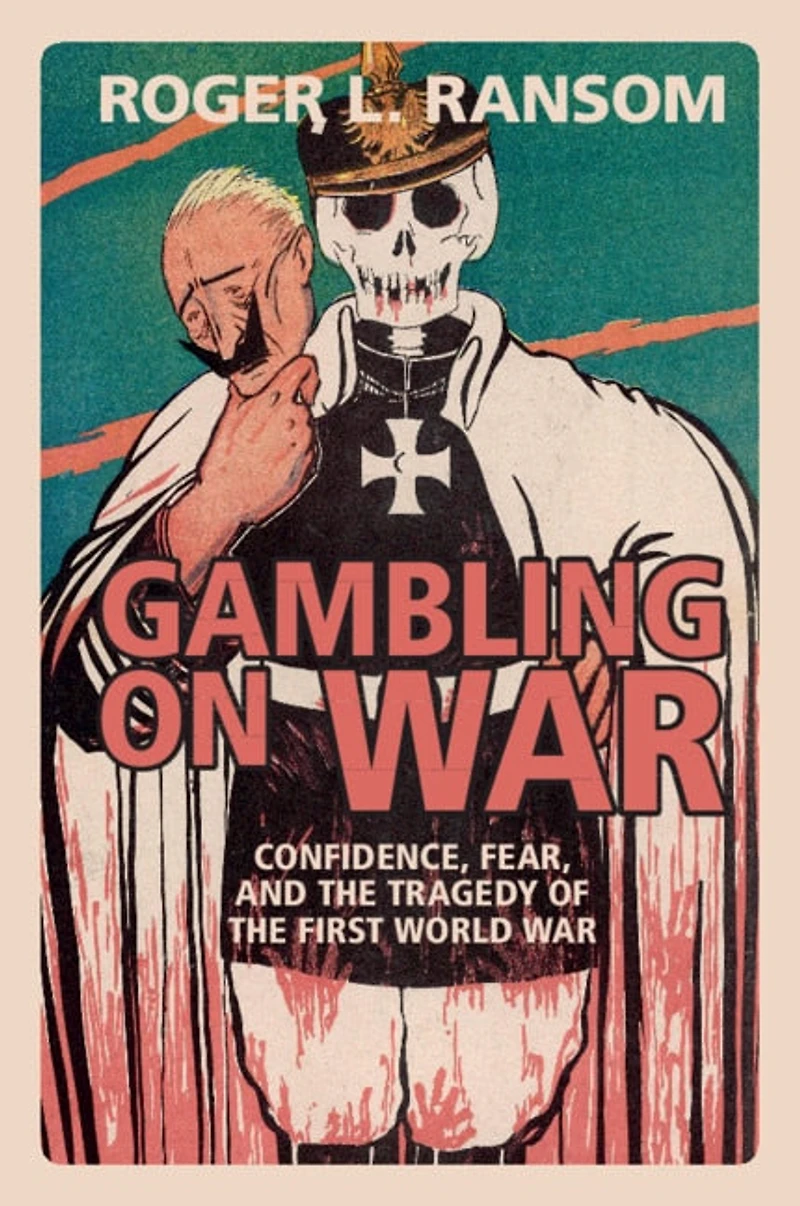
Gambling on War: Confidence, Fear, and the Tragedy of First World War
Current price: $115.95

Gambling on War: Confidence, Fear, and the Tragedy of First World War
Current price: $115.95
Loading Inventory...
Size: Hardcover
*Product information may vary - to confirm product availability, pricing, shipping and return information please contact Indigo
The First World War left a legacy of chaos that is still with us a century later. Why did European leaders resort to war and why did they not end it sooner? Roger L. Ransom sheds new light on this enduring puzzle by employing insights from prospect theory and notions of risk and uncertainty. He reveals how the interplay of confidence, fear, and a propensity to gamble encouraged aggressive behavior by leaders who pursued risky military strategies in hopes of winning the war. The result was a series of military disasters and a war of attrition which gradually exhausted the belligerents without producing any hope of ending the war. Ultimately, he shows that the outcome of the war rested as much on the ability of the Allied powers to muster their superior economic resources to continue the fight as it did on success on the battlefield.
The First World War left a legacy of chaos that is still with us a century later. Why did European leaders resort to war and why did they not end it sooner? Roger L. Ransom sheds new light on this enduring puzzle by employing insights from prospect theory and notions of risk and uncertainty. He reveals how the interplay of confidence, fear, and a propensity to gamble encouraged aggressive behavior by leaders who pursued risky military strategies in hopes of winning the war. The result was a series of military disasters and a war of attrition which gradually exhausted the belligerents without producing any hope of ending the war. Ultimately, he shows that the outcome of the war rested as much on the ability of the Allied powers to muster their superior economic resources to continue the fight as it did on success on the battlefield.
You May Also Like








More About Indigo at Erin Mills Town Centre
The largest book retailer in Canada also offers toys, music, home décor, gifts and lifestyle products. What's Inside...Books, Magazines, CD’s and DVD’s, Toys and Gifts, Home Accents, Electronics, Baby’s and Children’s Section, Bath and Body, Kitchen and Bedroom, Stationary Located outside in the exterior plaza.
5015 Glen Erin Dr, Mississauga, ON L5M 0R7, Canada
Find Indigo at Erin Mills Town Centre in Mississauga ON
Visit Indigo at Erin Mills Town Centre in Mississauga ON