

GIVE THE PERFECT GIFT
Erin Mills Town Centre Gift Cards are the perfect choice for your gift giving needs.Purchase gift cards at kiosks near the food court or centre court, at Guest Services, or click below to purchase online.PURCHASE HEREHome
Gandhi and Architecture: A Time for Low-Cost Housing
Indigo
Loading Inventory...
Gandhi and Architecture: A Time for Low-Cost Housing
Current price: $296.50

Gandhi and Architecture: A Time for Low-Cost Housing
Current price: $296.50
Loading Inventory...
Size: Hardcover
*Product information may vary - to confirm product availability, pricing, shipping and return information please contact Indigo
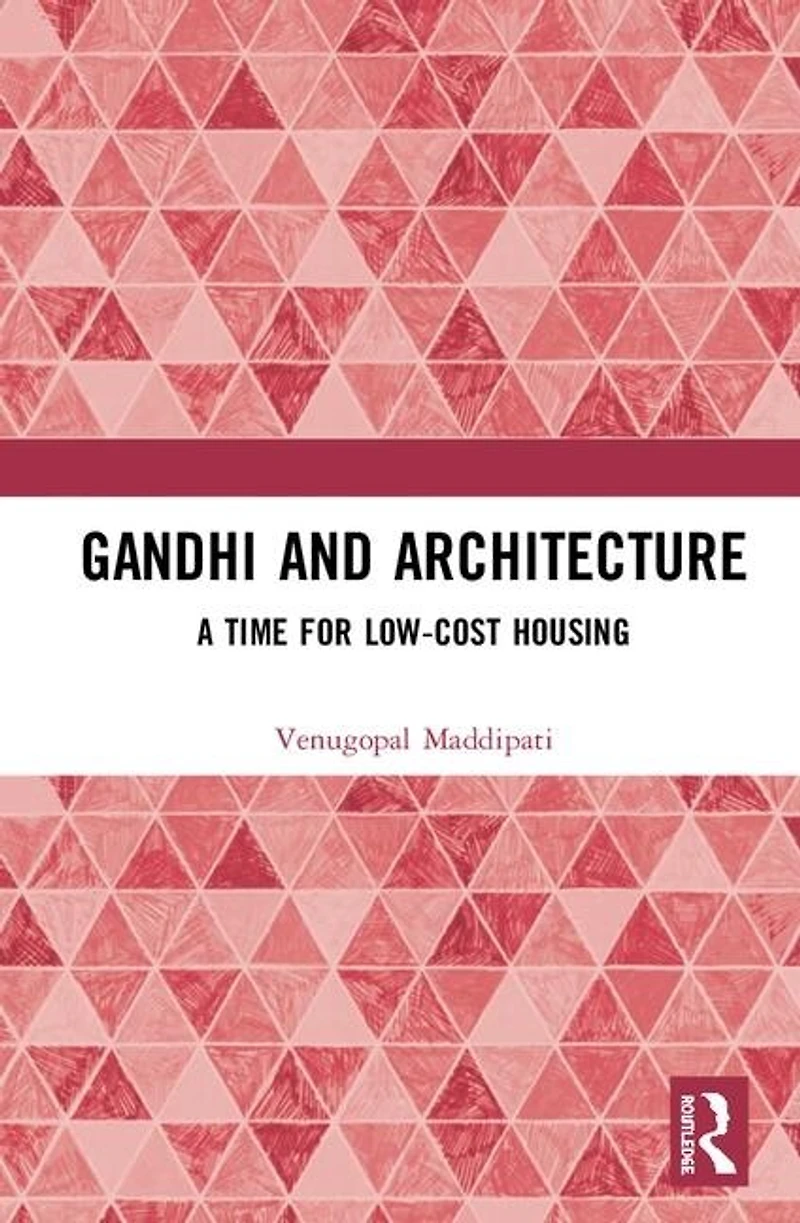
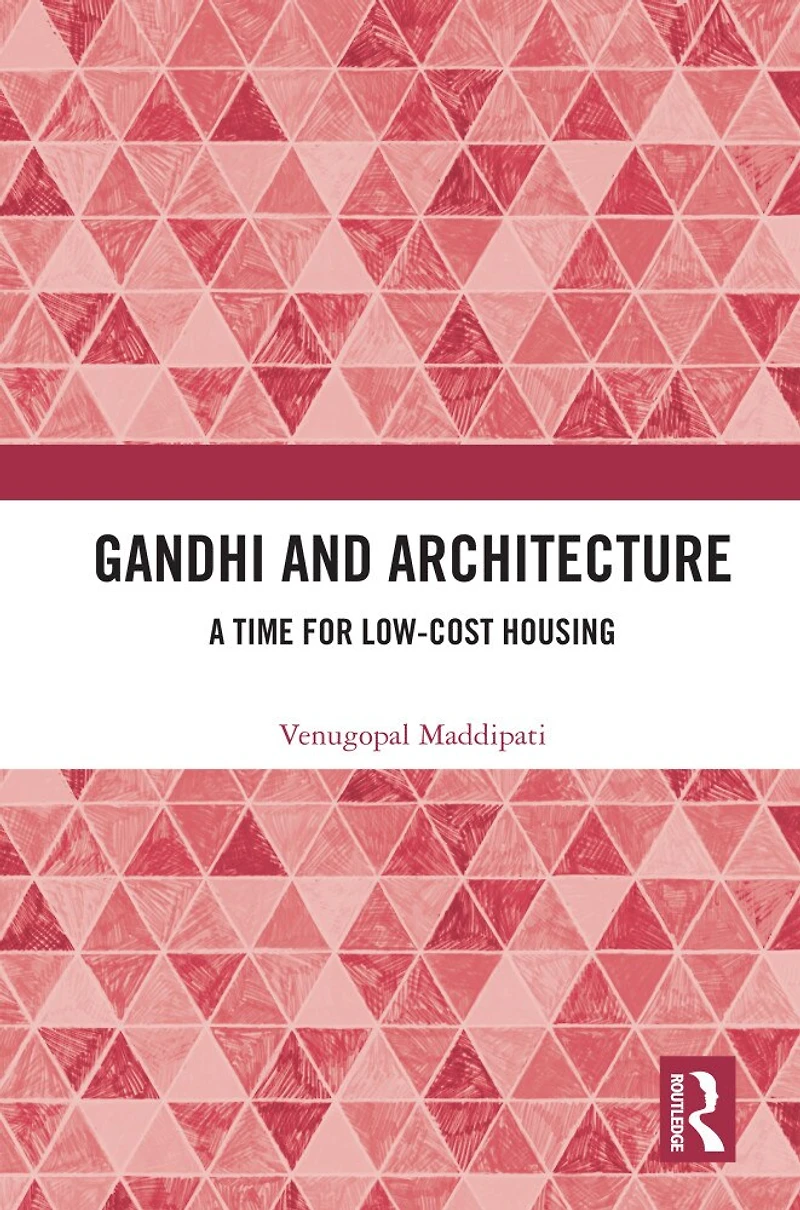
Gandhi and Architecture: A Time for Low-Cost Housing chronicles the emergence of a low-cost, low-rise housing architecture that conforms to M.K. Gandhi's religious need to establish finite boundaries for everyday actions; finitude in turn defines Gandhi's conservative and exclusionary conception of religion. Drawing from rich archival and field materials, the book begins with an exploration of Gandhi's religiosity of relinquishment and the British Spiritualist, Madeline Slade's creation of his low-cost hut, Adi Niwas , in the village of Segaon in the 1930s. Adi Niwas inaugurates a low-cost housing architecture of finitude founded on the near-simultaneous but heterogeneous, conservative Gandhian ideals of pursuing self-sacrifice and rendering the pursuit of self-sacrifice legible as the practice of an exclusionary varnashramadharma . At a considerable remove from Gandhi's religious conservatism, successive generations in post-colonial India have reimagined a secular necessity for this Gandhian low-cost housing architecture of finitude. In the early 1950s era of mass housing for post-partition refugees from Pakistan, the making of a low-cost housing architecture was premised on the necessity of responding to economic concerns and to an emerging demographic mandate. In the 1970s, during the Organization of Petroleum Exporting Countries crisis, it was premised on the rise of urban and climatological necessities. More recently, in the late 1990s and early 2000s, its reception has been premised on the emergence of language-based identitarianism in Wardha, Maharashtra. Each of these moments of necessity reveals the enduring present of a Gandhian low-cost housing architecture of finitude and also the need to emancipate Gandhian finitude from Gandhi's own exclusions. This volume is a critical intervention in the philosophy of architectural history. Drawing eclectically from science and technology studies, political science, housing studies, urban studies, religious studies, and anthropology, this richly illustrated volume will be of great interest to students and researchers of architecture and design, housing, history, sociology, economics, Gandhian studies, urban studies and development studies.
Gandhi and Architecture: A Time for Low-Cost Housing chronicles the emergence of a low-cost, low-rise housing architecture that conforms to M.K. Gandhi's religious need to establish finite boundaries for everyday actions; finitude in turn defines Gandhi's conservative and exclusionary conception of religion. Drawing from rich archival and field materials, the book begins with an exploration of Gandhi's religiosity of relinquishment and the British Spiritualist, Madeline Slade's creation of his low-cost hut, Adi Niwas , in the village of Segaon in the 1930s. Adi Niwas inaugurates a low-cost housing architecture of finitude founded on the near-simultaneous but heterogeneous, conservative Gandhian ideals of pursuing self-sacrifice and rendering the pursuit of self-sacrifice legible as the practice of an exclusionary varnashramadharma . At a considerable remove from Gandhi's religious conservatism, successive generations in post-colonial India have reimagined a secular necessity for this Gandhian low-cost housing architecture of finitude. In the early 1950s era of mass housing for post-partition refugees from Pakistan, the making of a low-cost housing architecture was premised on the necessity of responding to economic concerns and to an emerging demographic mandate. In the 1970s, during the Organization of Petroleum Exporting Countries crisis, it was premised on the rise of urban and climatological necessities. More recently, in the late 1990s and early 2000s, its reception has been premised on the emergence of language-based identitarianism in Wardha, Maharashtra. Each of these moments of necessity reveals the enduring present of a Gandhian low-cost housing architecture of finitude and also the need to emancipate Gandhian finitude from Gandhi's own exclusions. This volume is a critical intervention in the philosophy of architectural history. Drawing eclectically from science and technology studies, political science, housing studies, urban studies, religious studies, and anthropology, this richly illustrated volume will be of great interest to students and researchers of architecture and design, housing, history, sociology, economics, Gandhian studies, urban studies and development studies.
You May Also Like












More About Indigo at Erin Mills Town Centre
The largest book retailer in Canada also offers toys, music, home décor, gifts and lifestyle products. What's Inside...Books, Magazines, CD’s and DVD’s, Toys and Gifts, Home Accents, Electronics, Baby’s and Children’s Section, Bath and Body, Kitchen and Bedroom, Stationary Located outside in the exterior plaza.
5015 Glen Erin Dr, Mississauga, ON L5M 0R7, Canada
Find Indigo at Erin Mills Town Centre in Mississauga ON
Visit Indigo at Erin Mills Town Centre in Mississauga ON