

GIVE THE PERFECT GIFT
Erin Mills Town Centre Gift Cards are the perfect choice for your gift giving needs.Purchase gift cards at kiosks near the food court or centre court, at Guest Services, or click below to purchase online.PURCHASE HEREHome
Genocide and Propaganda: A Primary Source Collection
Indigo
Loading Inventory...
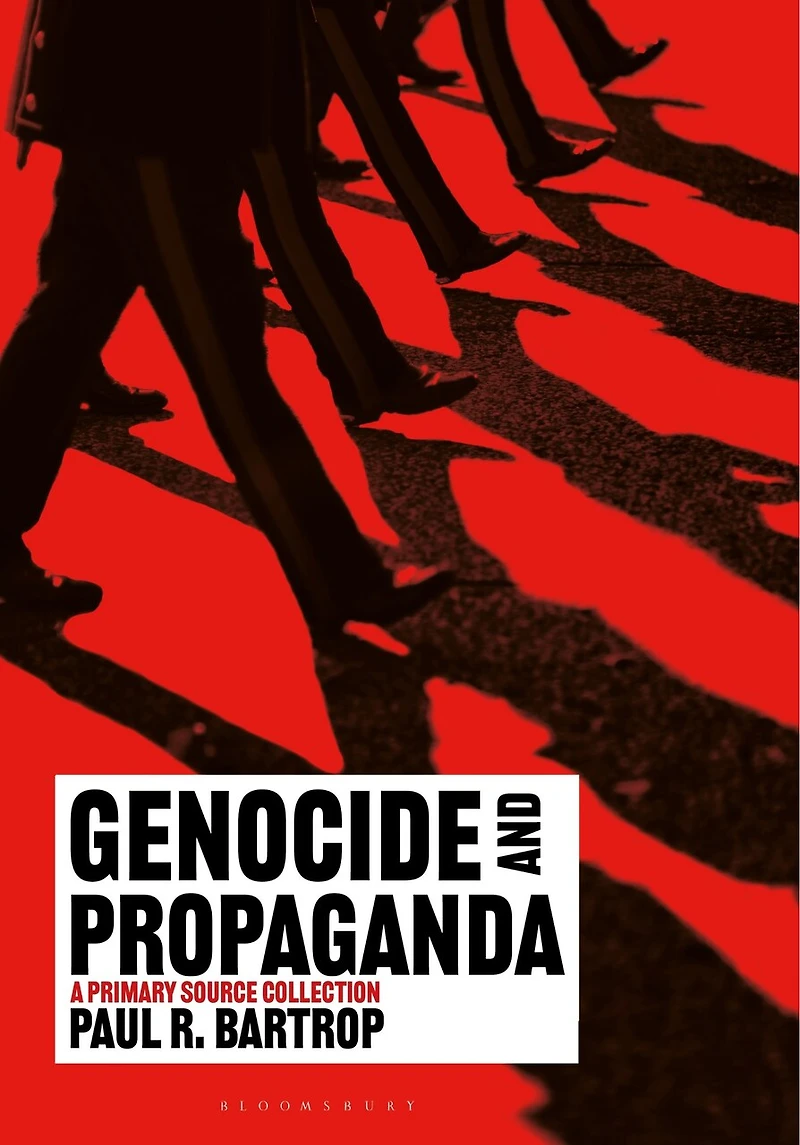
Genocide and Propaganda: A Primary Source Collection
Current price: $189.95

Genocide and Propaganda: A Primary Source Collection
Current price: $189.95
Loading Inventory...
Size: Hardcover
*Product information may vary - to confirm product availability, pricing, shipping and return information please contact Indigo
Perpetrators of genocidal violence have regularly orchestrated propaganda campaigns using newspapers, radio, televisions, the internet, and other means to justify mass killings. Through 50 primary sources, readers will learn about 11 genocides, spanning the 19th and 20th centuries, including campaigns against Native Americans, the Holocaust, and more recent tragedies in Bosnia-Herzegovina and Rwanda. During these periods of history, propaganda was used to alienate the target population; provide reasons for the "necessary" persecution of the group; and reinforce the authority of the perpetrating government. Each section begins with an introductory essay exploring the course of the genocide, giving readers the background knowledge needed to understand the documents that follow. Each piece of propaganda is accompanied by a brief introduction that provides key contextual information, as well as in-depth analysis of the impact that propaganda had. Augmenting the main text are a collection of 19 high-interest sidebars and an end-of-volume bibliography.
Perpetrators of genocidal violence have regularly orchestrated propaganda campaigns using newspapers, radio, televisions, the internet, and other means to justify mass killings. Through 50 primary sources, readers will learn about 11 genocides, spanning the 19th and 20th centuries, including campaigns against Native Americans, the Holocaust, and more recent tragedies in Bosnia-Herzegovina and Rwanda. During these periods of history, propaganda was used to alienate the target population; provide reasons for the "necessary" persecution of the group; and reinforce the authority of the perpetrating government. Each section begins with an introductory essay exploring the course of the genocide, giving readers the background knowledge needed to understand the documents that follow. Each piece of propaganda is accompanied by a brief introduction that provides key contextual information, as well as in-depth analysis of the impact that propaganda had. Augmenting the main text are a collection of 19 high-interest sidebars and an end-of-volume bibliography.
You May Also Like









More About Indigo at Erin Mills Town Centre
The largest book retailer in Canada also offers toys, music, home décor, gifts and lifestyle products. What's Inside...Books, Magazines, CD’s and DVD’s, Toys and Gifts, Home Accents, Electronics, Baby’s and Children’s Section, Bath and Body, Kitchen and Bedroom, Stationary Located outside in the exterior plaza.
5015 Glen Erin Dr, Mississauga, ON L5M 0R7, Canada
Find Indigo at Erin Mills Town Centre in Mississauga ON
Visit Indigo at Erin Mills Town Centre in Mississauga ON