

GIVE THE PERFECT GIFT
Erin Mills Town Centre Gift Cards are the perfect choice for your gift giving needs.Purchase gift cards at kiosks near the food court or centre court, at Guest Services, or click below to purchase online.PURCHASE HEREHome
Geography of Happiness: A Spatial Analysis of Subjective Well-Being
Indigo
Loading Inventory...
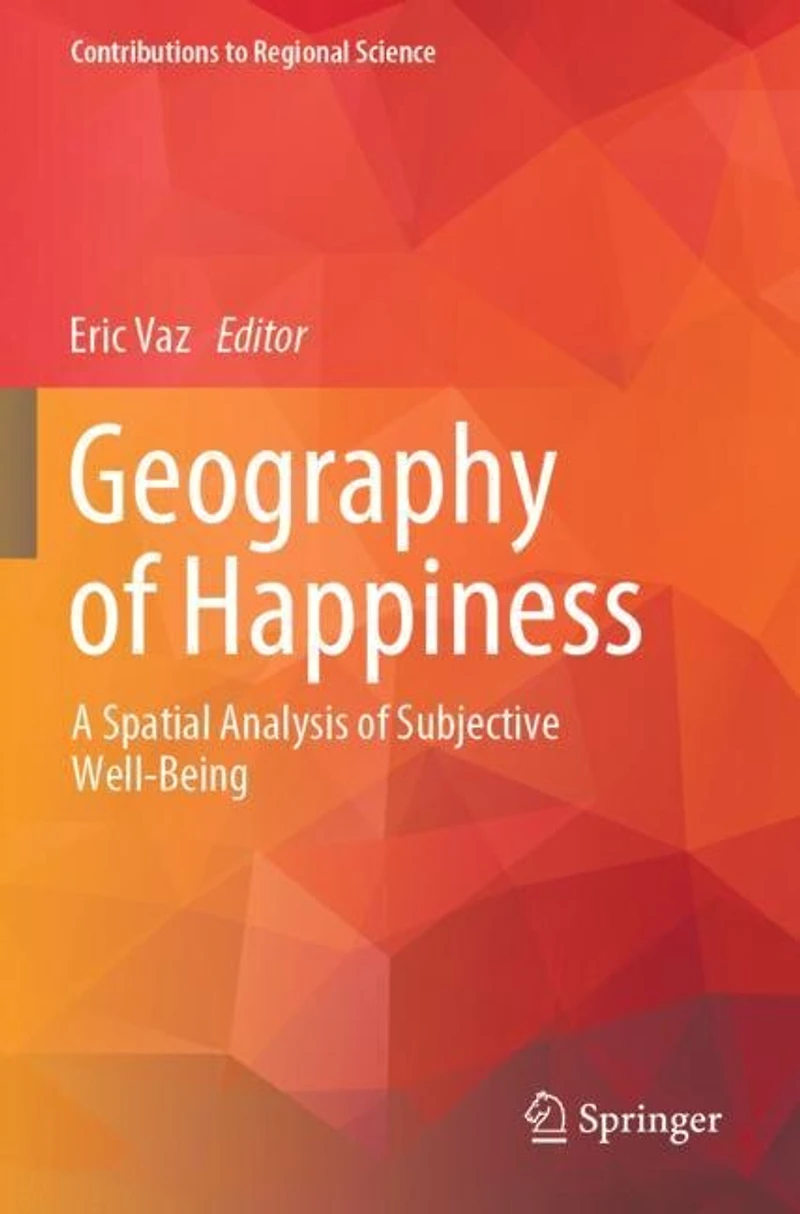
Geography of Happiness: A Spatial Analysis of Subjective Well-Being
Current price: $291.95

Geography of Happiness: A Spatial Analysis of Subjective Well-Being
Current price: $291.95
Loading Inventory...
Size: Paperback
*Product information may vary - to confirm product availability, pricing, shipping and return information please contact Indigo
This book offers readers a spatial understanding of happiness and subjective well-being. By integrating spatial and geostatistical methods, it sheds new light on the spatial and geographical aspects of subjective well-being. Geographical analysis allows us to measure spatial and regional discrepancies in subjective well-being and to identify heterogeneous profiles in terms of social, economic and environmental patterns. Consequently, the papers gathered here address various topics concerning the spatial aspects of subjective well-being, including social injustice, age, new urban spaces, and tourism. The book proposes a multidisciplinary approach and is intended for scholars and students in the fields of geography, economics and the spatial sciences. By examining several critical dimensions of happiness and subjective well-being, it enriches the complexity of regional decision-making on the path toward happier and more liveable societies.
This book offers readers a spatial understanding of happiness and subjective well-being. By integrating spatial and geostatistical methods, it sheds new light on the spatial and geographical aspects of subjective well-being. Geographical analysis allows us to measure spatial and regional discrepancies in subjective well-being and to identify heterogeneous profiles in terms of social, economic and environmental patterns. Consequently, the papers gathered here address various topics concerning the spatial aspects of subjective well-being, including social injustice, age, new urban spaces, and tourism. The book proposes a multidisciplinary approach and is intended for scholars and students in the fields of geography, economics and the spatial sciences. By examining several critical dimensions of happiness and subjective well-being, it enriches the complexity of regional decision-making on the path toward happier and more liveable societies.
You May Also Like










More About Indigo at Erin Mills Town Centre
The largest book retailer in Canada also offers toys, music, home décor, gifts and lifestyle products. What's Inside...Books, Magazines, CD’s and DVD’s, Toys and Gifts, Home Accents, Electronics, Baby’s and Children’s Section, Bath and Body, Kitchen and Bedroom, Stationary Located outside in the exterior plaza.
5015 Glen Erin Dr, Mississauga, ON L5M 0R7, Canada
Find Indigo at Erin Mills Town Centre in Mississauga ON
Visit Indigo at Erin Mills Town Centre in Mississauga ON