

GIVE THE PERFECT GIFT
Erin Mills Town Centre Gift Cards are the perfect choice for your gift giving needs.Purchase gift cards at kiosks near the food court or centre court, at Guest Services, or click below to purchase online.PURCHASE HEREHome
George Alexander and the Work of the Actor-Manager
Indigo
Loading Inventory...
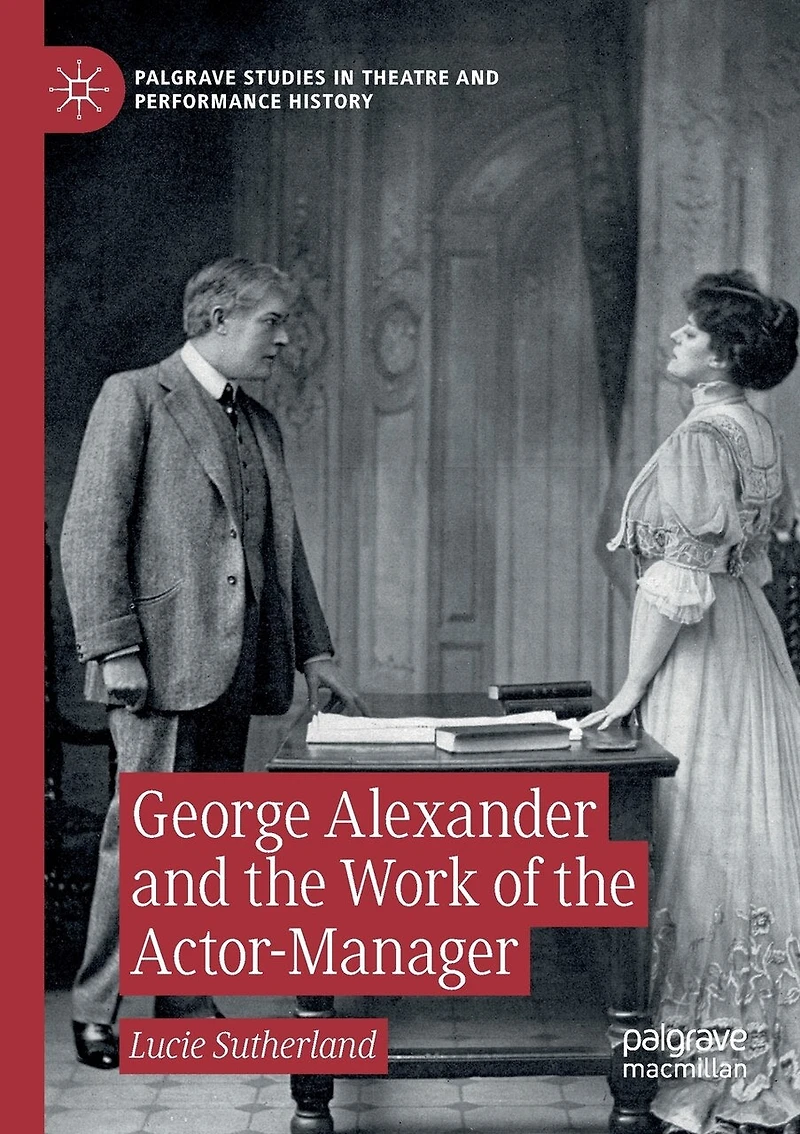
George Alexander and the Work of the Actor-Manager
Current price: $80.50

George Alexander and the Work of the Actor-Manager
Current price: $80.50
Loading Inventory...
Size: Paperback
*Product information may vary - to confirm product availability, pricing, shipping and return information please contact Indigo
In the first book-length study of the work and legacy of West End actor-manager George Alexander since the 1930s, George Alexander and the Work of the Actor Manager examines the key part this figure played in presenting new drama by authors including Oscar Wilde and Henry James. The book sheds new light on the figure of the actor-manager, assessing in detail the influence of Alexander within and beyond his time.
At the St. James's Theatre in London between 1891 and 1918, through a range of strategies including the support of new writers, and adaptation of fiction to the stage, Alexander sustained professional status through practices that continue to be reflected in the cultural industries today. A range of evidence is employed including production reviews, anecdotal accounts, financial records, and personal correspondence, to reveal how he operated as a business entrepreneur as well as an artistic innovator.
In the first book-length study of the work and legacy of West End actor-manager George Alexander since the 1930s, George Alexander and the Work of the Actor Manager examines the key part this figure played in presenting new drama by authors including Oscar Wilde and Henry James. The book sheds new light on the figure of the actor-manager, assessing in detail the influence of Alexander within and beyond his time.
At the St. James's Theatre in London between 1891 and 1918, through a range of strategies including the support of new writers, and adaptation of fiction to the stage, Alexander sustained professional status through practices that continue to be reflected in the cultural industries today. A range of evidence is employed including production reviews, anecdotal accounts, financial records, and personal correspondence, to reveal how he operated as a business entrepreneur as well as an artistic innovator.
You May Also Like









More About Indigo at Erin Mills Town Centre
The largest book retailer in Canada also offers toys, music, home décor, gifts and lifestyle products. What's Inside...Books, Magazines, CD’s and DVD’s, Toys and Gifts, Home Accents, Electronics, Baby’s and Children’s Section, Bath and Body, Kitchen and Bedroom, Stationary Located outside in the exterior plaza.
5015 Glen Erin Dr, Mississauga, ON L5M 0R7, Canada
Find Indigo at Erin Mills Town Centre in Mississauga ON
Visit Indigo at Erin Mills Town Centre in Mississauga ON