

GIVE THE PERFECT GIFT
Erin Mills Town Centre Gift Cards are the perfect choice for your gift giving needs.Purchase gift cards at kiosks near the food court or centre court, at Guest Services, or click below to purchase online.PURCHASE HEREHome
George Bernard Shaw: Selected Plays and Prefaces
Indigo
Loading Inventory...
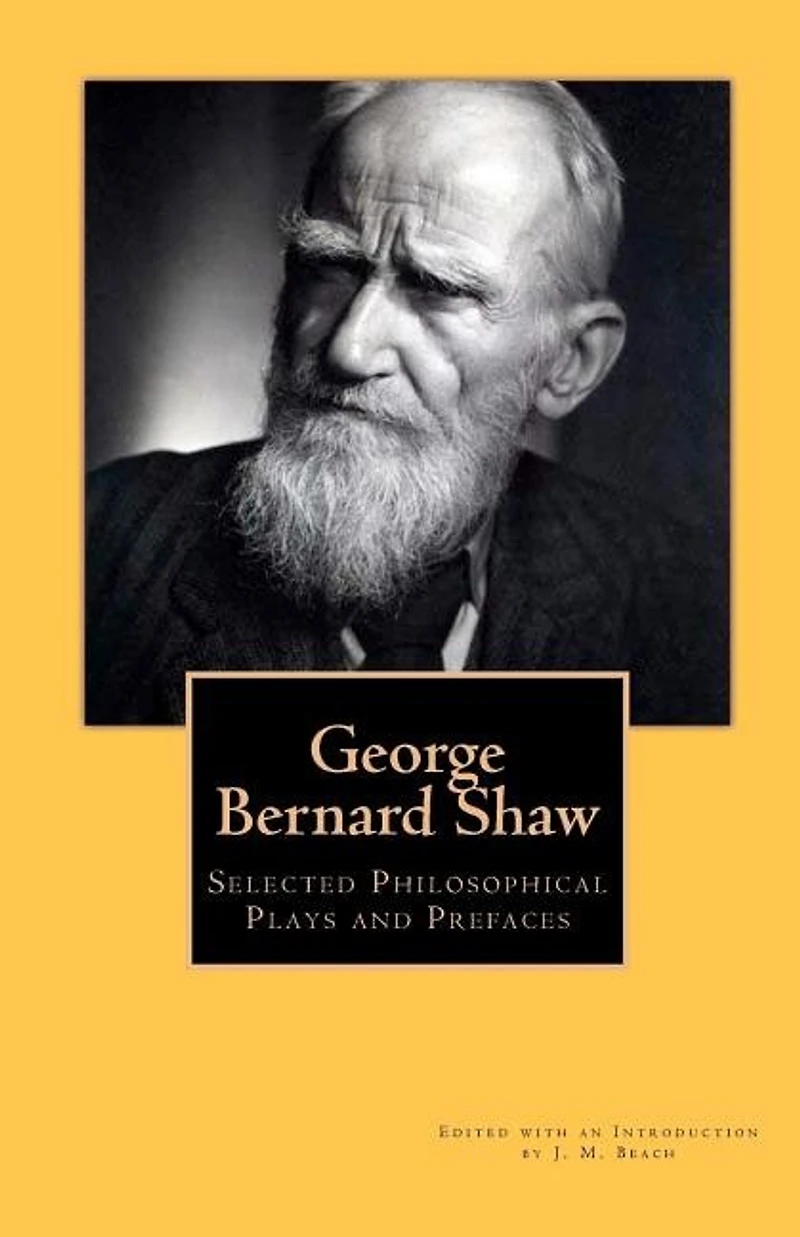
George Bernard Shaw: Selected Plays and Prefaces
Current price: $24.36

George Bernard Shaw: Selected Plays and Prefaces
Current price: $24.36
Loading Inventory...
Size: Paperback
*Product information may vary - to confirm product availability, pricing, shipping and return information please contact Indigo
If one were to describe George Bernard Shaw's position in the history of Western thought he might be called the witty, didactic English disciple of Nietzsche as well as a devoted socialist and playwright. Shaw was very much affected by the philosophy of Nietzsche and Marx, and Romantic poets like Blake, Shelley, Whitman and Thoreau. In a sense, G. B. Shaw was a disseminator and destroyer of the Romantic tradition in the Modern era. Shaw could be called the last English Romantic poet even though most critics would be more inclined to characterize him as a "playwright," "essayist," or "political pamphleteer." But poets have often, over the ages, blurred the critical distinctions of genre and form, using and combining different mediums in which to showcase their art. Shaw, like Nietzsche, preferred the title of "creative artist" (with a scientific twist) over the prosaic and worn term of "poet: " "Like Shakespeare," Shaw wrote, "I was a born dramatist, which means a born artist-biologist." In essence Shaw saw himself a "dramatic poet," for not only was he a poet in the sense of being a visionary, but as R. J. Kaufmann wrote, he "invented an art," a dramatic style that was all his own. The book includes some of shaw's most poetic, political, philosophical, and religious plays: Candida; Selections from Man and Superman; John Bull's Other Island; Selections from Back to Methuselah; and St. Joan
If one were to describe George Bernard Shaw's position in the history of Western thought he might be called the witty, didactic English disciple of Nietzsche as well as a devoted socialist and playwright. Shaw was very much affected by the philosophy of Nietzsche and Marx, and Romantic poets like Blake, Shelley, Whitman and Thoreau. In a sense, G. B. Shaw was a disseminator and destroyer of the Romantic tradition in the Modern era. Shaw could be called the last English Romantic poet even though most critics would be more inclined to characterize him as a "playwright," "essayist," or "political pamphleteer." But poets have often, over the ages, blurred the critical distinctions of genre and form, using and combining different mediums in which to showcase their art. Shaw, like Nietzsche, preferred the title of "creative artist" (with a scientific twist) over the prosaic and worn term of "poet: " "Like Shakespeare," Shaw wrote, "I was a born dramatist, which means a born artist-biologist." In essence Shaw saw himself a "dramatic poet," for not only was he a poet in the sense of being a visionary, but as R. J. Kaufmann wrote, he "invented an art," a dramatic style that was all his own. The book includes some of shaw's most poetic, political, philosophical, and religious plays: Candida; Selections from Man and Superman; John Bull's Other Island; Selections from Back to Methuselah; and St. Joan
You May Also Like












More About Indigo at Erin Mills Town Centre
The largest book retailer in Canada also offers toys, music, home décor, gifts and lifestyle products. What's Inside...Books, Magazines, CD’s and DVD’s, Toys and Gifts, Home Accents, Electronics, Baby’s and Children’s Section, Bath and Body, Kitchen and Bedroom, Stationary Located outside in the exterior plaza.
5015 Glen Erin Dr, Mississauga, ON L5M 0R7, Canada
Find Indigo at Erin Mills Town Centre in Mississauga ON
Visit Indigo at Erin Mills Town Centre in Mississauga ON