

GIVE THE PERFECT GIFT
Erin Mills Town Centre Gift Cards are the perfect choice for your gift giving needs.Purchase gift cards at kiosks near the food court or centre court, at Guest Services, or click below to purchase online.PURCHASE HEREHome
Geriatrics Models of Care: Bringing 'Best Practice' to an Aging America
Indigo
Loading Inventory...
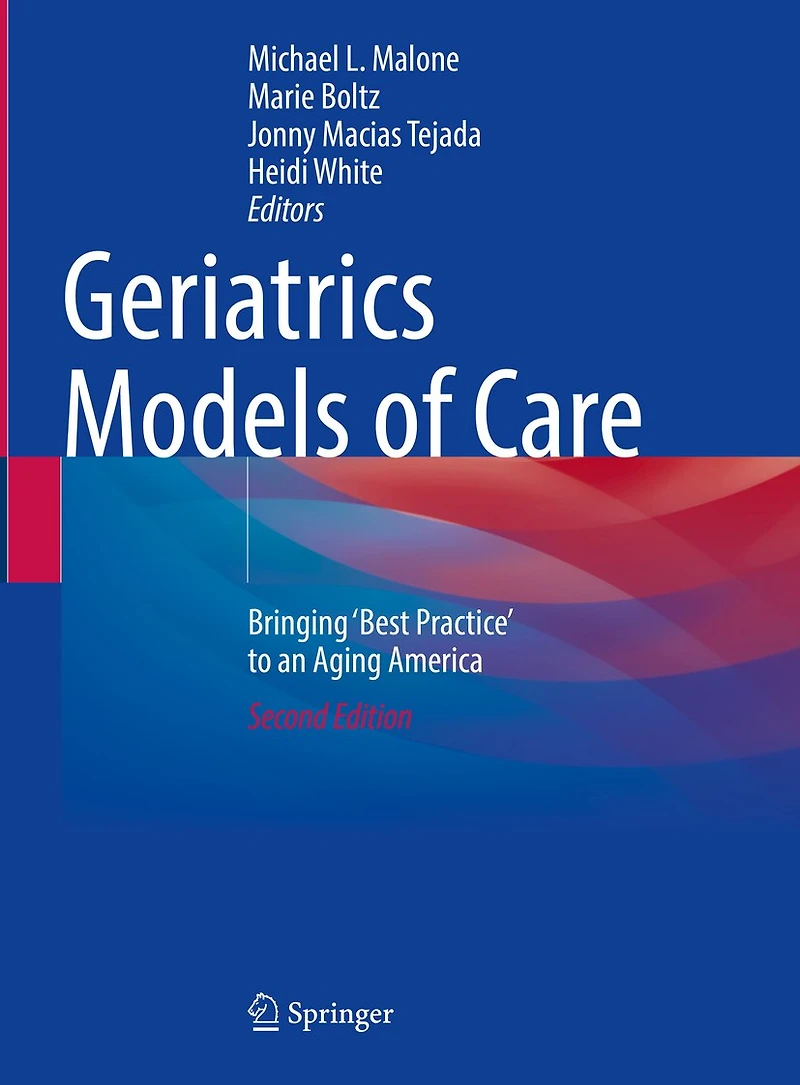
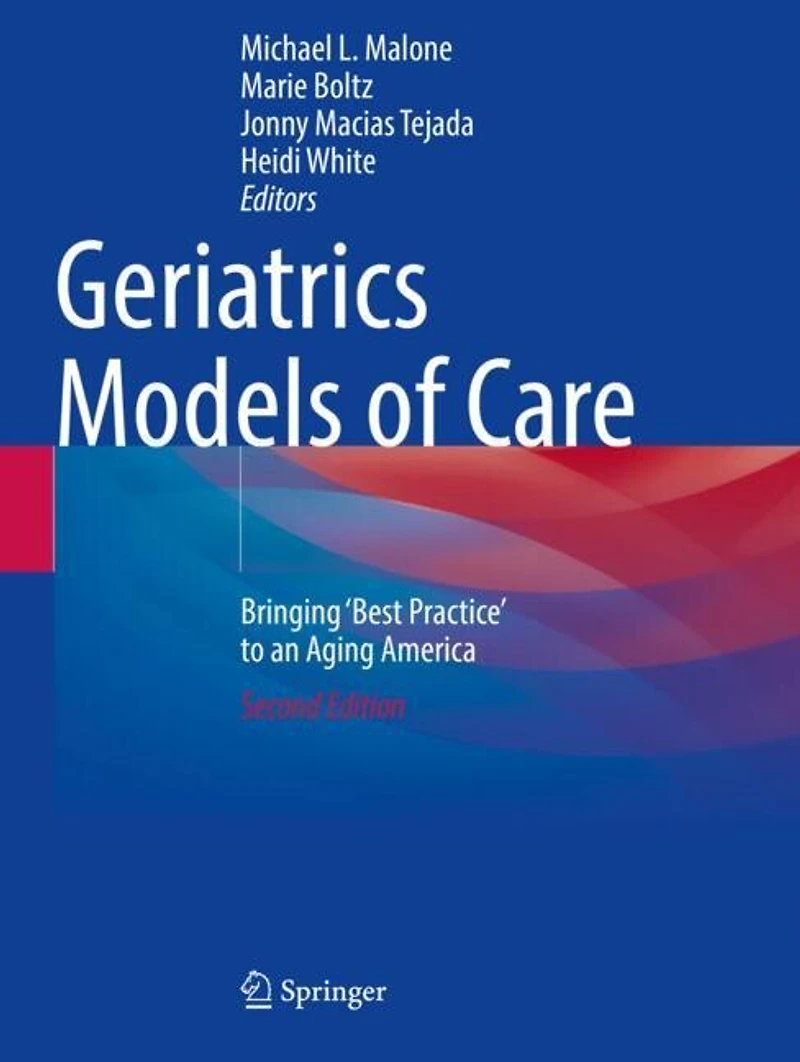
Geriatrics Models of Care: Bringing 'Best Practice' to an Aging America
Current price: $262.95

Geriatrics Models of Care: Bringing 'Best Practice' to an Aging America
Current price: $262.95
Loading Inventory...
Size: Hardcover (2024 A)
*Product information may vary - to confirm product availability, pricing, shipping and return information please contact Indigo
Following the success of the previous edition, the second edition of Geriatrics Models of Care is the definitive resource for systems-based practice improvement for the care of older adults. Several new models of care have been published in the last eight years, new outcomes have emerged to better understand the impact of existing models, and with the rise of the Age-Friendly Health Systems movement, promoting organized efforts to prepare our health care settings for older individuals is of more importance than ever. The second edition is organized based on the practice setting along a continuum of care: hospital, transitions from hospital to home, outpatient settings, and the emergency department. This book also highlights long-term care models, which is an important part of the continuum of care for older Americans. Further, this edition features models that address the needs of vulnerable populations. This new section will describe a spectrum of programs for older adults who have Alzheimer's disease or Parkinson's disease. Other models describe best practices for older adults undergoing surgery or those who want to remain functioning independently in their home. A defining feature of this book is that each chapter follows a standard template: 1) the challenge which led to the model; 2) the patient population served; 3) core components of the intervention; 4) the role of interdisciplinary health professionals; 5) evidence to support the intervention; 6) lessons learned in the implementation and dissemination of the model; 7) implications for family caregivers, and communities (particularly underserved and diverse communities); and 8) how each model will provide care across the continuum during an entire episode of care. In addition, each chapter features a "call out" box with practical tips for implementing the model.
Following the success of the previous edition, the second edition of Geriatrics Models of Care is the definitive resource for systems-based practice improvement for the care of older adults. Several new models of care have been published in the last eight years, new outcomes have emerged to better understand the impact of existing models, and with the rise of the Age-Friendly Health Systems movement, promoting organized efforts to prepare our health care settings for older individuals is of more importance than ever. The second edition is organized based on the practice setting along a continuum of care: hospital, transitions from hospital to home, outpatient settings, and the emergency department. This book also highlights long-term care models, which is an important part of the continuum of care for older Americans. Further, this edition features models that address the needs of vulnerable populations. This new section will describe a spectrum of programs for older adults who have Alzheimer's disease or Parkinson's disease. Other models describe best practices for older adults undergoing surgery or those who want to remain functioning independently in their home. A defining feature of this book is that each chapter follows a standard template: 1) the challenge which led to the model; 2) the patient population served; 3) core components of the intervention; 4) the role of interdisciplinary health professionals; 5) evidence to support the intervention; 6) lessons learned in the implementation and dissemination of the model; 7) implications for family caregivers, and communities (particularly underserved and diverse communities); and 8) how each model will provide care across the continuum during an entire episode of care. In addition, each chapter features a "call out" box with practical tips for implementing the model.
You May Also Like












More About Indigo at Erin Mills Town Centre
The largest book retailer in Canada also offers toys, music, home décor, gifts and lifestyle products. What's Inside...Books, Magazines, CD’s and DVD’s, Toys and Gifts, Home Accents, Electronics, Baby’s and Children’s Section, Bath and Body, Kitchen and Bedroom, Stationary Located outside in the exterior plaza.
5015 Glen Erin Dr, Mississauga, ON L5M 0R7, Canada
Find Indigo at Erin Mills Town Centre in Mississauga ON
Visit Indigo at Erin Mills Town Centre in Mississauga ON