

GIVE THE PERFECT GIFT
Erin Mills Town Centre Gift Cards are the perfect choice for your gift giving needs.Purchase gift cards at kiosks near the food court or centre court, at Guest Services, or click below to purchase online.PURCHASE HEREHome
German Design 1949–1989: Two Countries, One History
Indigo
Loading Inventory...
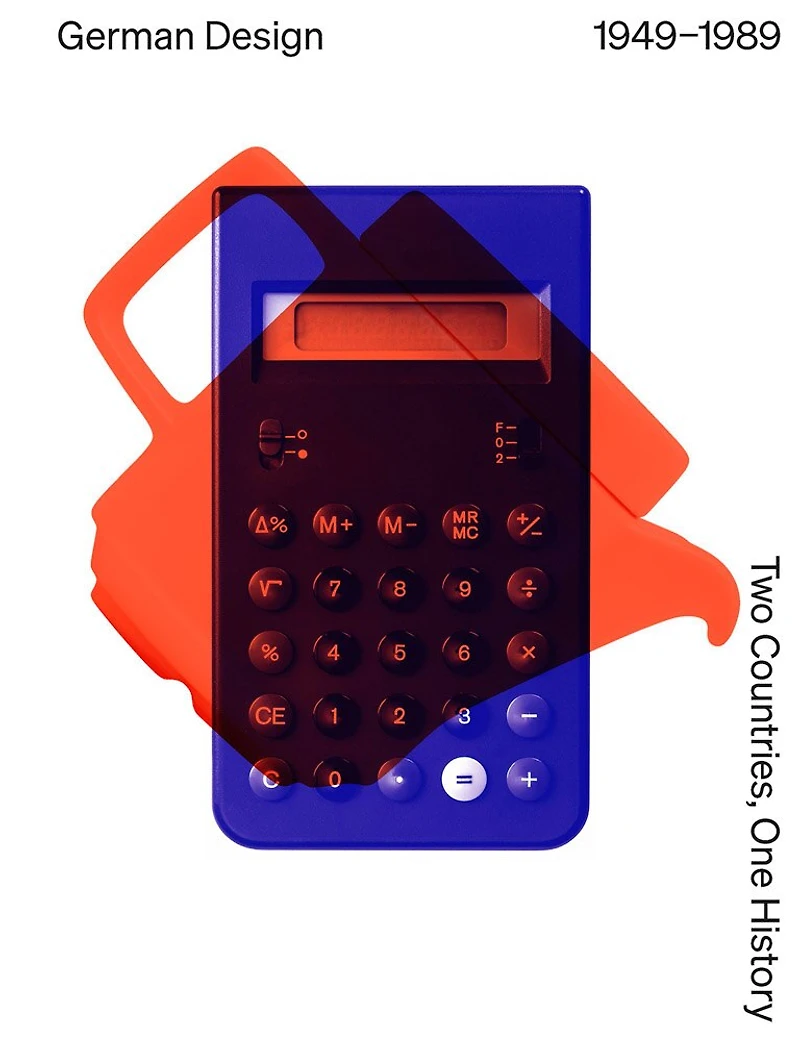
German Design 1949–1989: Two Countries, One History
Current price: $139.00

German Design 1949–1989: Two Countries, One History
Current price: $139.00
Loading Inventory...
Size: Paperback
*Product information may vary - to confirm product availability, pricing, shipping and return information please contact Indigo
The fertile dual evolution of design under socialism and capitalism in postwar Germany The cheap, colorful plastic designs of East Germany pitted against the cool functionalism of West German design: German Design 1949–1989: Two Countries, One History does away with such clichés. More than 30 years after German reunification, it presents a comprehensive overview of German design history of the postwar period for the first time ever. With over 300 illustrations and numerous examples from the fields of design—fashion, furniture, graphics, automobile, industrial and interiors—the book shows how design featured in daily life on both sides of the Wall, the important part it played in the reconstruction process and how it served as a propaganda tool during the Cold War. Key objects and protagonists—from Dieter Rams or Otl Aicher in the West to Rudolf Horn or Renate Müller in the East—are presented alongside formative factors such as the Bauhaus legacy and important institutions such as the Hochschule für Gestaltung (HfG) Ulm.
The exceptional case of the division of Germany allows a unique comparative perspective on the role design played in promoting socialism and capitalism. While in the Federal Republic to the West, it became a generator of the export economy and the “Made in Germany” brand, in the East it was intended to fuel the socialist planned economy and affordability for broad sections of the population was key. While the book highlights the different realities of East and West, the many cross references that connected design in both are also examined. It impressively illustrates the many facets of German design history in the postwar period: from the domestic sphere to global politics, from industrial products to design’s role as a tool of protest that foreshadowed the fall of the Berlin Wall in 1989.
The fertile dual evolution of design under socialism and capitalism in postwar Germany The cheap, colorful plastic designs of East Germany pitted against the cool functionalism of West German design: German Design 1949–1989: Two Countries, One History does away with such clichés. More than 30 years after German reunification, it presents a comprehensive overview of German design history of the postwar period for the first time ever. With over 300 illustrations and numerous examples from the fields of design—fashion, furniture, graphics, automobile, industrial and interiors—the book shows how design featured in daily life on both sides of the Wall, the important part it played in the reconstruction process and how it served as a propaganda tool during the Cold War. Key objects and protagonists—from Dieter Rams or Otl Aicher in the West to Rudolf Horn or Renate Müller in the East—are presented alongside formative factors such as the Bauhaus legacy and important institutions such as the Hochschule für Gestaltung (HfG) Ulm.
The exceptional case of the division of Germany allows a unique comparative perspective on the role design played in promoting socialism and capitalism. While in the Federal Republic to the West, it became a generator of the export economy and the “Made in Germany” brand, in the East it was intended to fuel the socialist planned economy and affordability for broad sections of the population was key. While the book highlights the different realities of East and West, the many cross references that connected design in both are also examined. It impressively illustrates the many facets of German design history in the postwar period: from the domestic sphere to global politics, from industrial products to design’s role as a tool of protest that foreshadowed the fall of the Berlin Wall in 1989.
You May Also Like
















More About Indigo at Erin Mills Town Centre
The largest book retailer in Canada also offers toys, music, home décor, gifts and lifestyle products. What's Inside...Books, Magazines, CD’s and DVD’s, Toys and Gifts, Home Accents, Electronics, Baby’s and Children’s Section, Bath and Body, Kitchen and Bedroom, Stationary Located outside in the exterior plaza.
5015 Glen Erin Dr, Mississauga, ON L5M 0R7, Canada
Find Indigo at Erin Mills Town Centre in Mississauga ON
Visit Indigo at Erin Mills Town Centre in Mississauga ON