

GIVE THE PERFECT GIFT
Erin Mills Town Centre Gift Cards are the perfect choice for your gift giving needs.Purchase gift cards at kiosks near the food court or centre court, at Guest Services, or click below to purchase online.PURCHASE HEREHome
Getting to the Heart of Science Communication: A Guide Effective Engagement
Indigo
Loading Inventory...
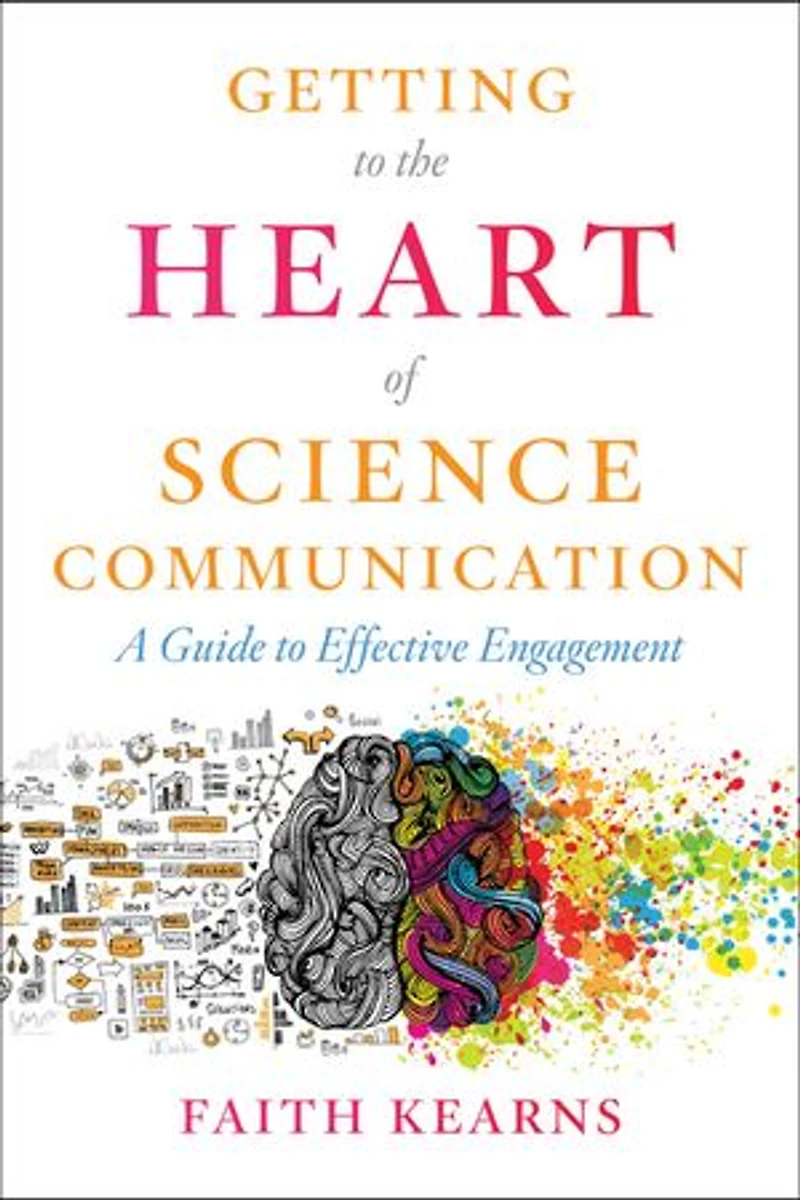
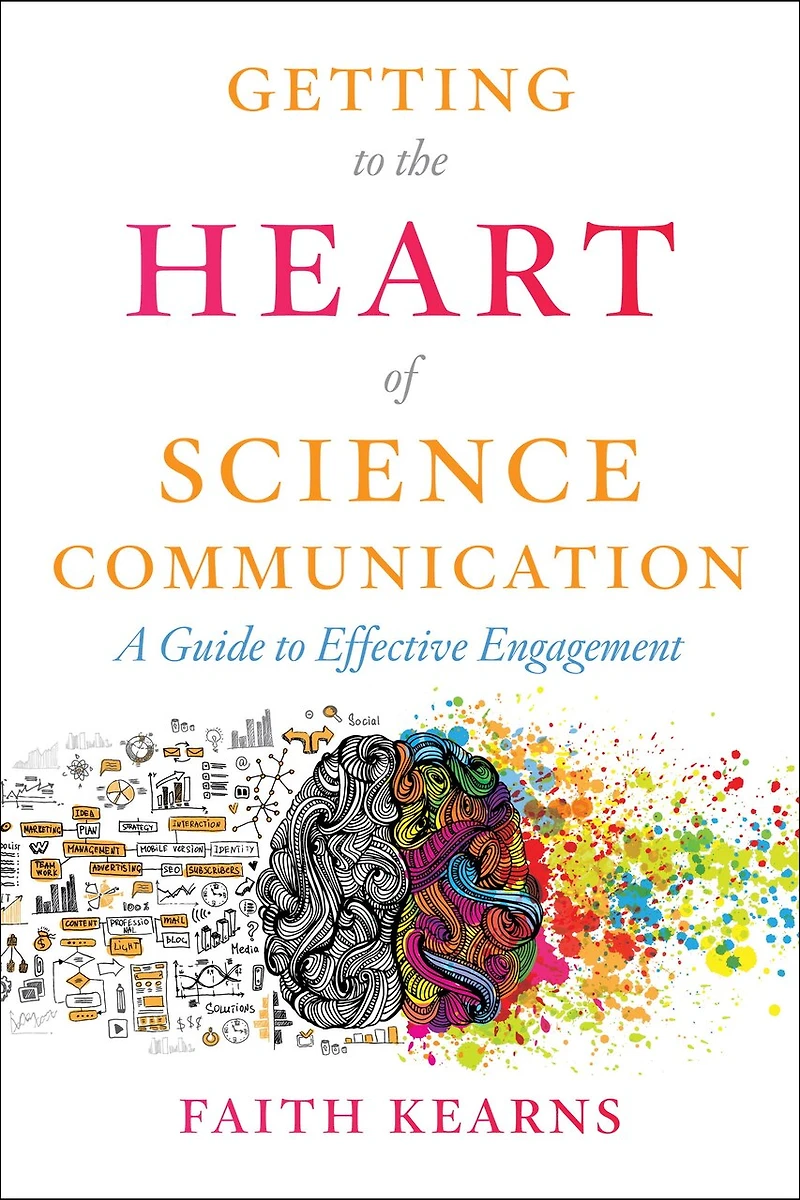
Getting to the Heart of Science Communication: A Guide Effective Engagement
Current price: $35.89
Original price: $44.79

Getting to the Heart of Science Communication: A Guide Effective Engagement
Current price: $35.89
Original price: $44.79
Loading Inventory...
Size: Kobo eBook
*Product information may vary - to confirm product availability, pricing, shipping and return information please contact Indigo
At a community fire day in a northern California town several years ago, author Faith Kearns gave a talk on building fire-safe houses able to withstand increasingly common wildfires. Much to her surprise, Kearns was confronted by an audience member whose house had recently burned. What she thought was straightforward, helpful scientific information had instead retraumatized audience members, forcing Kearns to reevaluate her approach. Like Kearns, scientists today working on controversial issues from climate change to drought to COVID-19 are finding themselves more often in the middle of deeply traumatizing or polarized conflicts. It is no longer enough for scientists to communicate a scientific topic clearly. They must not only be experts in their fields of study, but also experts in navigating the thoughts, feelings, and opinions of members of the public they engage with, and with each other. And the conversations are growing more fraught.
In Getting to the Heart of Science Communication , Faith Kearns has penned a succinct guide for navigating the human relationships critical to the success of practice-based science. Using interviews and personal anecdotes, as well as her own insights as a field scientist, Kearns walks readers through the evolution of science communication and how emotional and high-stakes issues have shaped communication. The meat of the book lies in the middle chapters, where Kearns offers key tools for communicators: listening, working with conflict, and understanding trauma, loss, and healing. She concludes the book with a substantive discussion on diversity, equity, and inclusion in science communication, and advice to readers for handling their own emotional needs in an unpredictable career landscape.
This meticulously researched volume takes science communication to the next level, helping scientists see the value of listening as well as talking, understanding power dynamics in relationships, and addressing the roles of trauma, loss, grief, and healing. This book will particularly resonate with early to mid-career scientists, graduate students, and researchers, especially those in applied sciences who work closely with the public.
At a community fire day in a northern California town several years ago, author Faith Kearns gave a talk on building fire-safe houses able to withstand increasingly common wildfires. Much to her surprise, Kearns was confronted by an audience member whose house had recently burned. What she thought was straightforward, helpful scientific information had instead retraumatized audience members, forcing Kearns to reevaluate her approach. Like Kearns, scientists today working on controversial issues from climate change to drought to COVID-19 are finding themselves more often in the middle of deeply traumatizing or polarized conflicts. It is no longer enough for scientists to communicate a scientific topic clearly. They must not only be experts in their fields of study, but also experts in navigating the thoughts, feelings, and opinions of members of the public they engage with, and with each other. And the conversations are growing more fraught.
In Getting to the Heart of Science Communication , Faith Kearns has penned a succinct guide for navigating the human relationships critical to the success of practice-based science. Using interviews and personal anecdotes, as well as her own insights as a field scientist, Kearns walks readers through the evolution of science communication and how emotional and high-stakes issues have shaped communication. The meat of the book lies in the middle chapters, where Kearns offers key tools for communicators: listening, working with conflict, and understanding trauma, loss, and healing. She concludes the book with a substantive discussion on diversity, equity, and inclusion in science communication, and advice to readers for handling their own emotional needs in an unpredictable career landscape.
This meticulously researched volume takes science communication to the next level, helping scientists see the value of listening as well as talking, understanding power dynamics in relationships, and addressing the roles of trauma, loss, grief, and healing. This book will particularly resonate with early to mid-career scientists, graduate students, and researchers, especially those in applied sciences who work closely with the public.
You May Also Like













More About Indigo at Erin Mills Town Centre
The largest book retailer in Canada also offers toys, music, home décor, gifts and lifestyle products. What's Inside...Books, Magazines, CD’s and DVD’s, Toys and Gifts, Home Accents, Electronics, Baby’s and Children’s Section, Bath and Body, Kitchen and Bedroom, Stationary Located outside in the exterior plaza.
5015 Glen Erin Dr, Mississauga, ON L5M 0R7, Canada
Find Indigo at Erin Mills Town Centre in Mississauga ON
Visit Indigo at Erin Mills Town Centre in Mississauga ON