

GIVE THE PERFECT GIFT
Erin Mills Town Centre Gift Cards are the perfect choice for your gift giving needs.Purchase gift cards at kiosks near the food court or centre court, at Guest Services, or click below to purchase online.PURCHASE HEREHome
Global Commerce the Age of Enlightenment: Theories, Practices, and Institutions Eighteenth Century
Indigo
Loading Inventory...
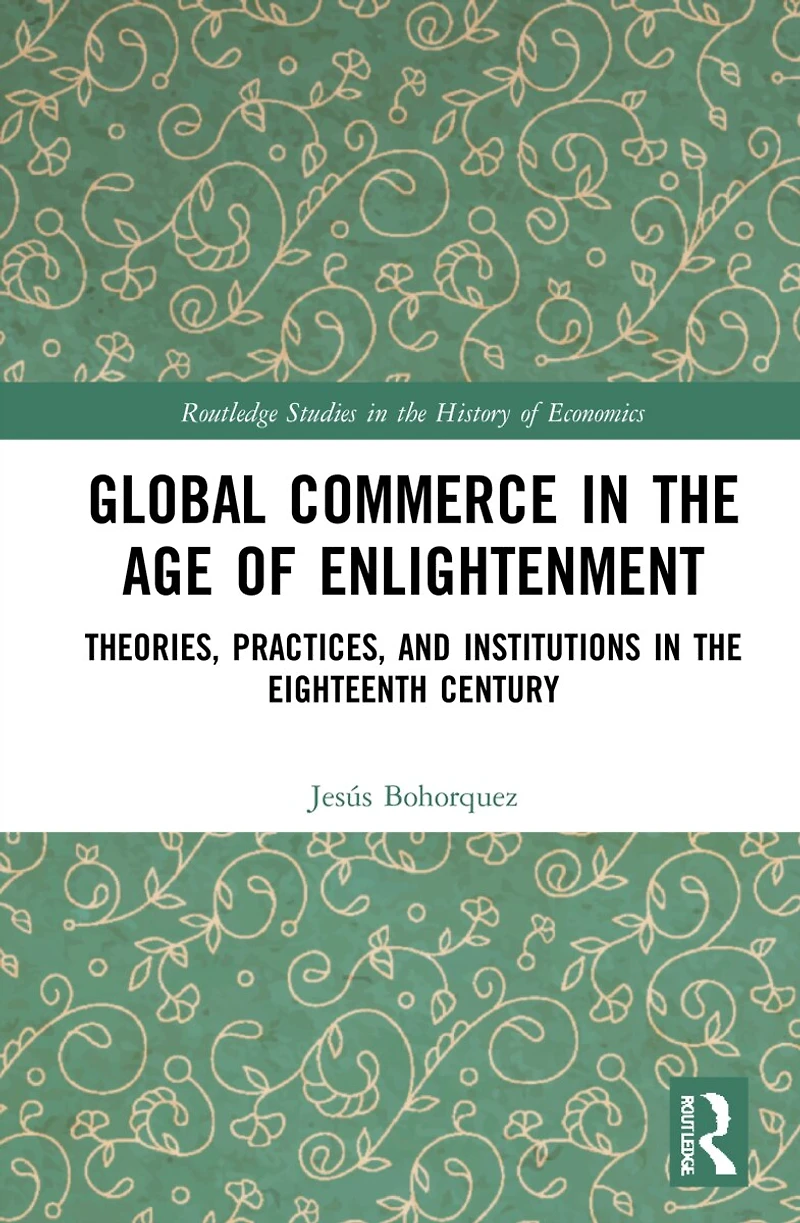
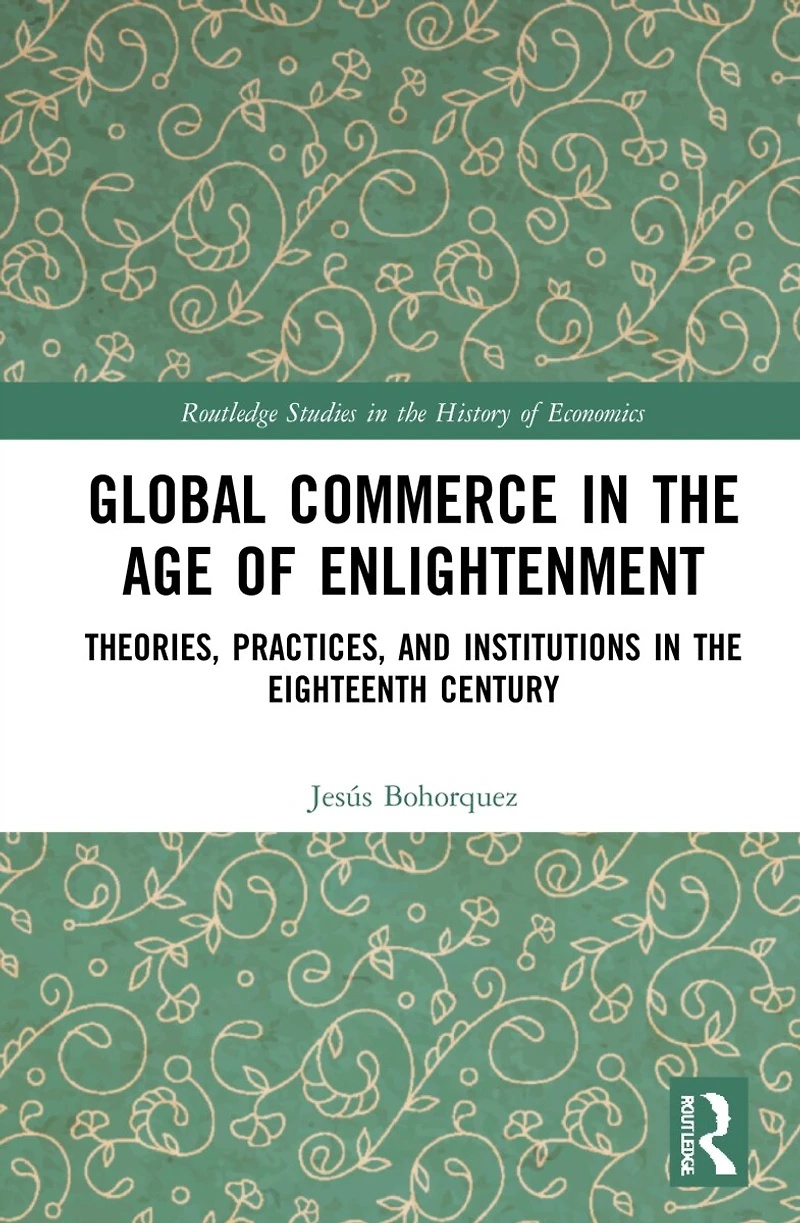
Global Commerce the Age of Enlightenment: Theories, Practices, and Institutions Eighteenth Century
Current price: $266.50

Global Commerce the Age of Enlightenment: Theories, Practices, and Institutions Eighteenth Century
Current price: $266.50
Loading Inventory...
Size: Hardcover
*Product information may vary - to confirm product availability, pricing, shipping and return information please contact Indigo
Combining contextual, institutional, and global perspectives, this book evaluates the impact of international trade on eighteenth-century economic thought. It meticulously delineates how economic ideas and institutions flowed between North and South Europe and across the Indian and Atlantic Oceans during the Age of Enlightenment. Global Commerce in the Age of Enlightenment carefully explores contemporary debates about economic institutions, which were a crucial element in the race for controlling international trade. Eighteenth-century thinkers devoted much attention to the relative merits of existing institutions, such as free ports, grasped the dangers of economic dependence, and appraised emerging conceptions of property rights. The author draws on an impressive range of sources, including pamphlets and travel accounts, and work from lesser-known figures such as Pierre Poivre and Ange Goudar. This volume will be valuable reading for advanced students and researchers of the history of economic thought, economic history, political economy, the history of ideas, and global history.
Combining contextual, institutional, and global perspectives, this book evaluates the impact of international trade on eighteenth-century economic thought. It meticulously delineates how economic ideas and institutions flowed between North and South Europe and across the Indian and Atlantic Oceans during the Age of Enlightenment. Global Commerce in the Age of Enlightenment carefully explores contemporary debates about economic institutions, which were a crucial element in the race for controlling international trade. Eighteenth-century thinkers devoted much attention to the relative merits of existing institutions, such as free ports, grasped the dangers of economic dependence, and appraised emerging conceptions of property rights. The author draws on an impressive range of sources, including pamphlets and travel accounts, and work from lesser-known figures such as Pierre Poivre and Ange Goudar. This volume will be valuable reading for advanced students and researchers of the history of economic thought, economic history, political economy, the history of ideas, and global history.
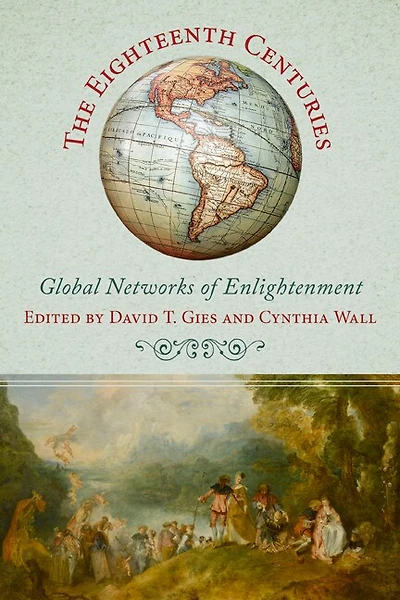
You May Also Like







More About Indigo at Erin Mills Town Centre
The largest book retailer in Canada also offers toys, music, home décor, gifts and lifestyle products. What's Inside...Books, Magazines, CD’s and DVD’s, Toys and Gifts, Home Accents, Electronics, Baby’s and Children’s Section, Bath and Body, Kitchen and Bedroom, Stationary Located outside in the exterior plaza.
5015 Glen Erin Dr, Mississauga, ON L5M 0R7, Canada
Find Indigo at Erin Mills Town Centre in Mississauga ON
Visit Indigo at Erin Mills Town Centre in Mississauga ON