

GIVE THE PERFECT GIFT
Erin Mills Town Centre Gift Cards are the perfect choice for your gift giving needs.Purchase gift cards at kiosks near the food court or centre court, at Guest Services, or click below to purchase online.PURCHASE HEREHome
Glycosylation: Methods and Protocols
Indigo
Loading Inventory...
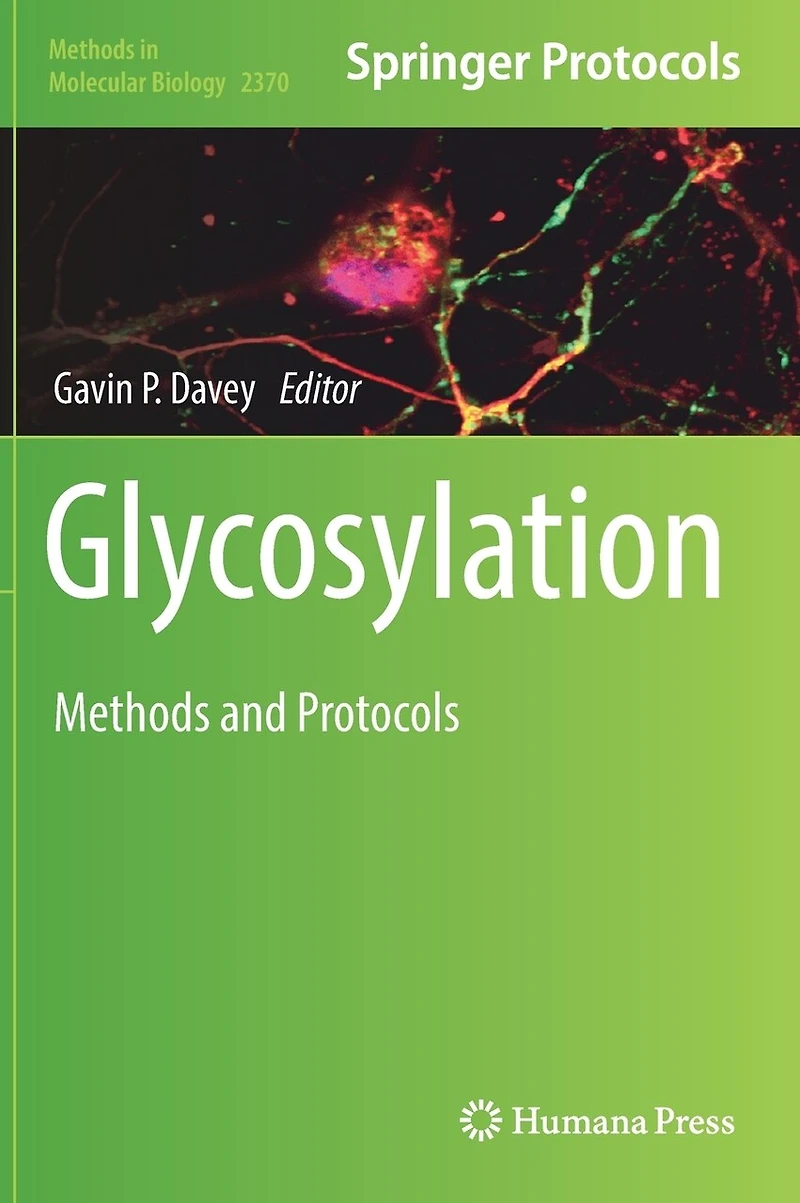
Glycosylation: Methods and Protocols
Current price: $321.50

Glycosylation: Methods and Protocols
Current price: $321.50
Loading Inventory...
Size: Hardcover
*Product information may vary - to confirm product availability, pricing, shipping and return information please contact Indigo
This volume explores the latest techniques and methods used for performing up-to-date glycosylation research. The chapters in this book are organized into four parts. Part One looks at the latest analytical and bioinformatics technologies that enable the characterization of glycosylation complexity. Part Two details the importance of synthetic chemistry and glycoengineering in the fields of bioprocessing and biotherapeutic development. Part Three discusses systems biology and computational technologies used by scientists to analyze glycosylation events in the cell. Part Four focuses on how cellular glycosylation biomarkers can be identified and used to characterize human clinical datasets. Written in the highly successful Methods in Molecular Biology series format, chapters include introductions to their respective topics, lists of the necessary materials and reagents, step-by-step, readily reproducible laboratory protocols, and tips on troubleshooting and avoiding known pitfalls.
Cutting-edge and practical, Glycosylation: Methods and Protocols is a valuable resource for any scientist or researcher interested in learning more about this exciting and developing field.
This volume explores the latest techniques and methods used for performing up-to-date glycosylation research. The chapters in this book are organized into four parts. Part One looks at the latest analytical and bioinformatics technologies that enable the characterization of glycosylation complexity. Part Two details the importance of synthetic chemistry and glycoengineering in the fields of bioprocessing and biotherapeutic development. Part Three discusses systems biology and computational technologies used by scientists to analyze glycosylation events in the cell. Part Four focuses on how cellular glycosylation biomarkers can be identified and used to characterize human clinical datasets. Written in the highly successful Methods in Molecular Biology series format, chapters include introductions to their respective topics, lists of the necessary materials and reagents, step-by-step, readily reproducible laboratory protocols, and tips on troubleshooting and avoiding known pitfalls.
Cutting-edge and practical, Glycosylation: Methods and Protocols is a valuable resource for any scientist or researcher interested in learning more about this exciting and developing field.
You May Also Like







More About Indigo at Erin Mills Town Centre
The largest book retailer in Canada also offers toys, music, home décor, gifts and lifestyle products. What's Inside...Books, Magazines, CD’s and DVD’s, Toys and Gifts, Home Accents, Electronics, Baby’s and Children’s Section, Bath and Body, Kitchen and Bedroom, Stationary Located outside in the exterior plaza.
5015 Glen Erin Dr, Mississauga, ON L5M 0R7, Canada
Find Indigo at Erin Mills Town Centre in Mississauga ON
Visit Indigo at Erin Mills Town Centre in Mississauga ON