

GIVE THE PERFECT GIFT
Erin Mills Town Centre Gift Cards are the perfect choice for your gift giving needs.Purchase gift cards at kiosks near the food court or centre court, at Guest Services, or click below to purchase online.PURCHASE HEREHome
Godly Violence in the Puritan Atlantic World, 1636–1676: A Study of Military Providentialism
Indigo
Loading Inventory...
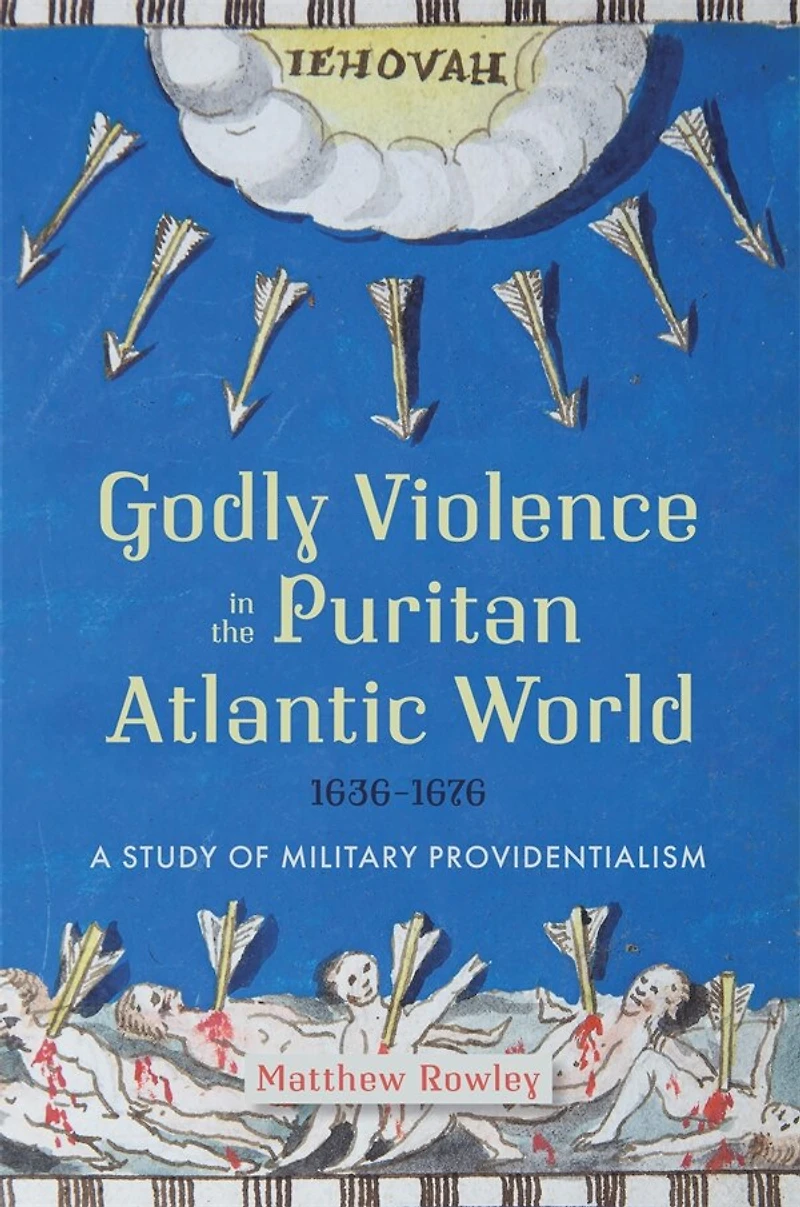
Godly Violence in the Puritan Atlantic World, 1636–1676: A Study of Military Providentialism
Current price: $157.78

Godly Violence in the Puritan Atlantic World, 1636–1676: A Study of Military Providentialism
Current price: $157.78
Loading Inventory...
Size: Hardcover
*Product information may vary - to confirm product availability, pricing, shipping and return information please contact Indigo
A rich analysis of the mindset of Puritans and of their theology which justified military action and acts of killing.
This book recounts Puritan struggles for military dominance and for an authoritative interpretation of God's agency in war. It asks: What did Puritans say was God's will in warfare; and how did they claim to know? It applies the term 'military providentialism' to this attempt to understand God's will and agency in war; and the term 'godly violence' to an act of killing that was deemed to be both just and holy. The book explores these themes by examining Puritan warfare against four groups: Native Americans, royalist Episcopalians, Irish Catholics and Scottish Presbyterians. It employs a wide range of printed and archival sources: sermons, treatises, official documents, newsbooks, letters, diaries, poems and objects related to material culture; and considers private providential interpretations written by obscure individuals alongside published works by more prominent people. Overall, the book provides a rich analysis of the mindset which sustained Puritan political theology and military action at the time when Puritans were at the height of their power on both sides of the Atlantic.
A rich analysis of the mindset of Puritans and of their theology which justified military action and acts of killing.
This book recounts Puritan struggles for military dominance and for an authoritative interpretation of God's agency in war. It asks: What did Puritans say was God's will in warfare; and how did they claim to know? It applies the term 'military providentialism' to this attempt to understand God's will and agency in war; and the term 'godly violence' to an act of killing that was deemed to be both just and holy. The book explores these themes by examining Puritan warfare against four groups: Native Americans, royalist Episcopalians, Irish Catholics and Scottish Presbyterians. It employs a wide range of printed and archival sources: sermons, treatises, official documents, newsbooks, letters, diaries, poems and objects related to material culture; and considers private providential interpretations written by obscure individuals alongside published works by more prominent people. Overall, the book provides a rich analysis of the mindset which sustained Puritan political theology and military action at the time when Puritans were at the height of their power on both sides of the Atlantic.
You May Also Like







More About Indigo at Erin Mills Town Centre
The largest book retailer in Canada also offers toys, music, home décor, gifts and lifestyle products. What's Inside...Books, Magazines, CD’s and DVD’s, Toys and Gifts, Home Accents, Electronics, Baby’s and Children’s Section, Bath and Body, Kitchen and Bedroom, Stationary Located outside in the exterior plaza.
5015 Glen Erin Dr, Mississauga, ON L5M 0R7, Canada
Find Indigo at Erin Mills Town Centre in Mississauga ON
Visit Indigo at Erin Mills Town Centre in Mississauga ON