

GIVE THE PERFECT GIFT
Erin Mills Town Centre Gift Cards are the perfect choice for your gift giving needs.Purchase gift cards at kiosks near the food court or centre court, at Guest Services, or click below to purchase online.PURCHASE HEREHome
God's Children
Indigo
Loading Inventory...
God's Children
Current price: $17.59
Original price: $21.99

God's Children
Current price: $17.59
Original price: $21.99
Loading Inventory...
Size: Kobo eBook
*Product information may vary - to confirm product availability, pricing, shipping and return information please contact Indigo
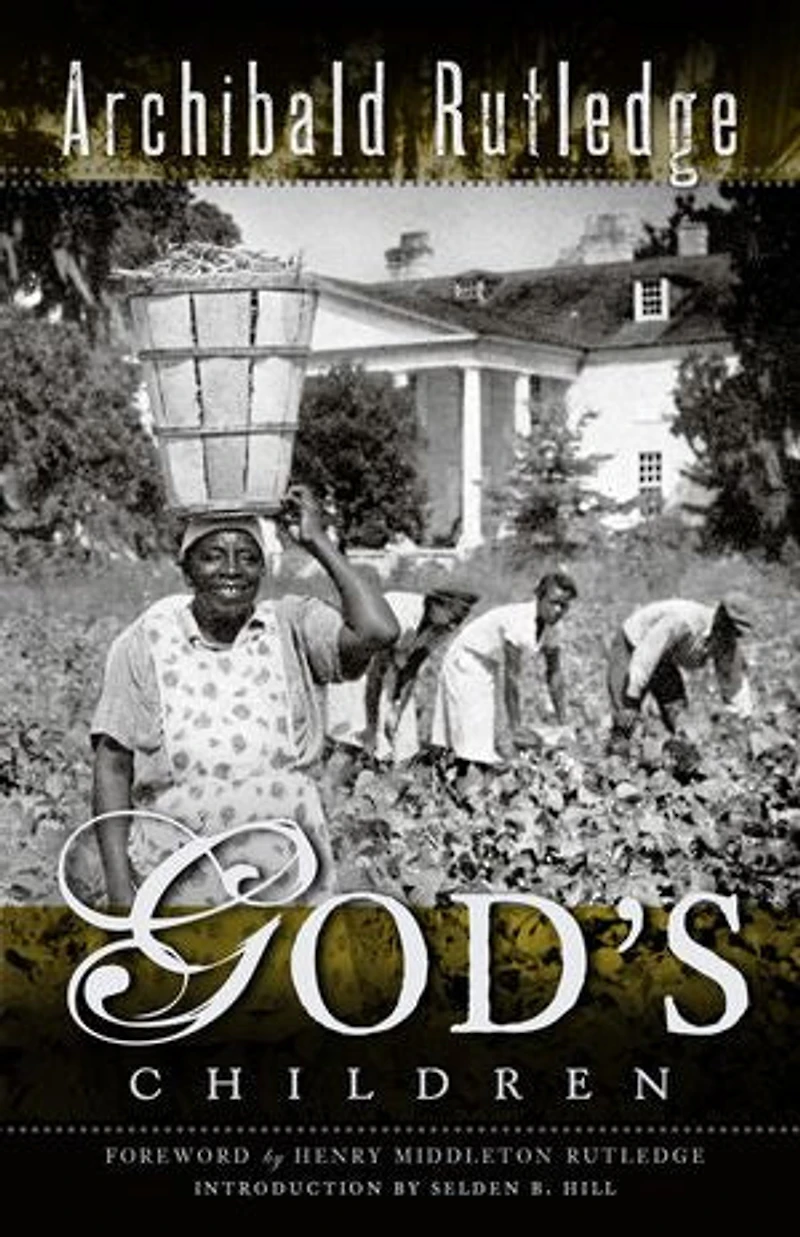
This 1940s memoir provides a glimpse into the life and thoughts of a South Carolina plantation owner in the post-Civil War, pre-Civil Rights era.
In 1937, after decades in the North, Archibald Rutledge returned to what he described as the "hyacinth days and camellia nights" of his native Carolina Lowcountry to restore his ancestral home, Hampton Plantation, which had been in his family since 1730.
Originally published in 1947, these pages describe, in intimate and fascinating detail, the plantation life he found upon his return. In the simple, lyrical language of the first poet laureate of South Carolina, Rutledge portrays the black men and women, descendants of slaves, who labored alongside him in the marshes of the Santee, the stories they shared, and his interactions with them. God's Children serves as a vivid snapshot of day-to-day activity on a plantation in the American South in the first half of the twentieth century, and of a lifestyle that was ever so slowly disappearing.
This 1940s memoir provides a glimpse into the life and thoughts of a South Carolina plantation owner in the post-Civil War, pre-Civil Rights era.
In 1937, after decades in the North, Archibald Rutledge returned to what he described as the "hyacinth days and camellia nights" of his native Carolina Lowcountry to restore his ancestral home, Hampton Plantation, which had been in his family since 1730.
Originally published in 1947, these pages describe, in intimate and fascinating detail, the plantation life he found upon his return. In the simple, lyrical language of the first poet laureate of South Carolina, Rutledge portrays the black men and women, descendants of slaves, who labored alongside him in the marshes of the Santee, the stories they shared, and his interactions with them. God's Children serves as a vivid snapshot of day-to-day activity on a plantation in the American South in the first half of the twentieth century, and of a lifestyle that was ever so slowly disappearing.
You May Also Like







More About Indigo at Erin Mills Town Centre
The largest book retailer in Canada also offers toys, music, home décor, gifts and lifestyle products. What's Inside...Books, Magazines, CD’s and DVD’s, Toys and Gifts, Home Accents, Electronics, Baby’s and Children’s Section, Bath and Body, Kitchen and Bedroom, Stationary Located outside in the exterior plaza.
5015 Glen Erin Dr, Mississauga, ON L5M 0R7, Canada
Find Indigo at Erin Mills Town Centre in Mississauga ON
Visit Indigo at Erin Mills Town Centre in Mississauga ON