

GIVE THE PERFECT GIFT
Erin Mills Town Centre Gift Cards are the perfect choice for your gift giving needs.Purchase gift cards at kiosks near the food court or centre court, at Guest Services, or click below to purchase online.PURCHASE HEREHome
God’s Other Book: The Qur’an between History and Ideology
Indigo
Loading Inventory...
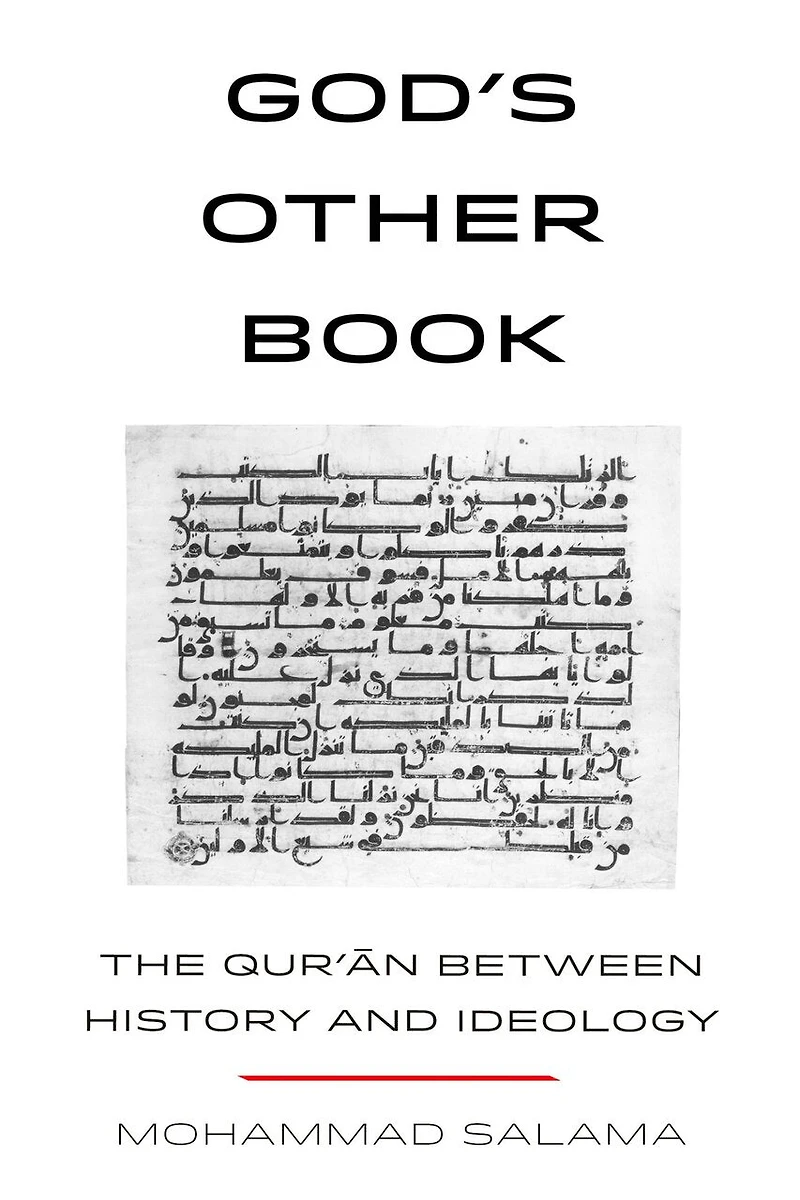
God’s Other Book: The Qur’an between History and Ideology
Current price: $47.03

God’s Other Book: The Qur’an between History and Ideology
Current price: $47.03
Loading Inventory...
Size: Paperback
*Product information may vary - to confirm product availability, pricing, shipping and return information please contact Indigo
A free ebook version of this title is available through Luminos, University of California Press’s Open Access publishing program. Visit www.luminosoa.org to learn more.
In God’s Other Book , Mohammad Salama presents a powerful critique of the ways we study and analyze early Islam and its sacred text, filling a glaring hole in our understanding of this formative environment. Interrogating the ideological framework of late antiquity, Salama exposes hidden assumptions that prevent scholars from truly placing Islam in its sociohistorical and cultural milieu. He offers an alternative theoretical and practical model focused on pre-Islamic Arabic cultural production. Foregrounding the indigenous Arab community of seventh-century Hijaz, Salama demonstrates how the Qurʼān played an organic role in commenting on, interacting with, and taking sides concerning matters of ethnicity, ethics, dress codes, and social habits. Only with renewed attention to the Qurʼān itself can Western readers engage ethically with Islamic studies and with the cultures and traditions of those who live according to another book.
A free ebook version of this title is available through Luminos, University of California Press’s Open Access publishing program. Visit www.luminosoa.org to learn more.
In God’s Other Book , Mohammad Salama presents a powerful critique of the ways we study and analyze early Islam and its sacred text, filling a glaring hole in our understanding of this formative environment. Interrogating the ideological framework of late antiquity, Salama exposes hidden assumptions that prevent scholars from truly placing Islam in its sociohistorical and cultural milieu. He offers an alternative theoretical and practical model focused on pre-Islamic Arabic cultural production. Foregrounding the indigenous Arab community of seventh-century Hijaz, Salama demonstrates how the Qurʼān played an organic role in commenting on, interacting with, and taking sides concerning matters of ethnicity, ethics, dress codes, and social habits. Only with renewed attention to the Qurʼān itself can Western readers engage ethically with Islamic studies and with the cultures and traditions of those who live according to another book.
You May Also Like







More About Indigo at Erin Mills Town Centre
The largest book retailer in Canada also offers toys, music, home décor, gifts and lifestyle products. What's Inside...Books, Magazines, CD’s and DVD’s, Toys and Gifts, Home Accents, Electronics, Baby’s and Children’s Section, Bath and Body, Kitchen and Bedroom, Stationary Located outside in the exterior plaza.
5015 Glen Erin Dr, Mississauga, ON L5M 0R7, Canada
Find Indigo at Erin Mills Town Centre in Mississauga ON
Visit Indigo at Erin Mills Town Centre in Mississauga ON