

GIVE THE PERFECT GIFT
Erin Mills Town Centre Gift Cards are the perfect choice for your gift giving needs.Purchase gift cards at kiosks near the food court or centre court, at Guest Services, or click below to purchase online.PURCHASE HEREHome
Gombrich: A Theory of Art
Indigo
Loading Inventory...
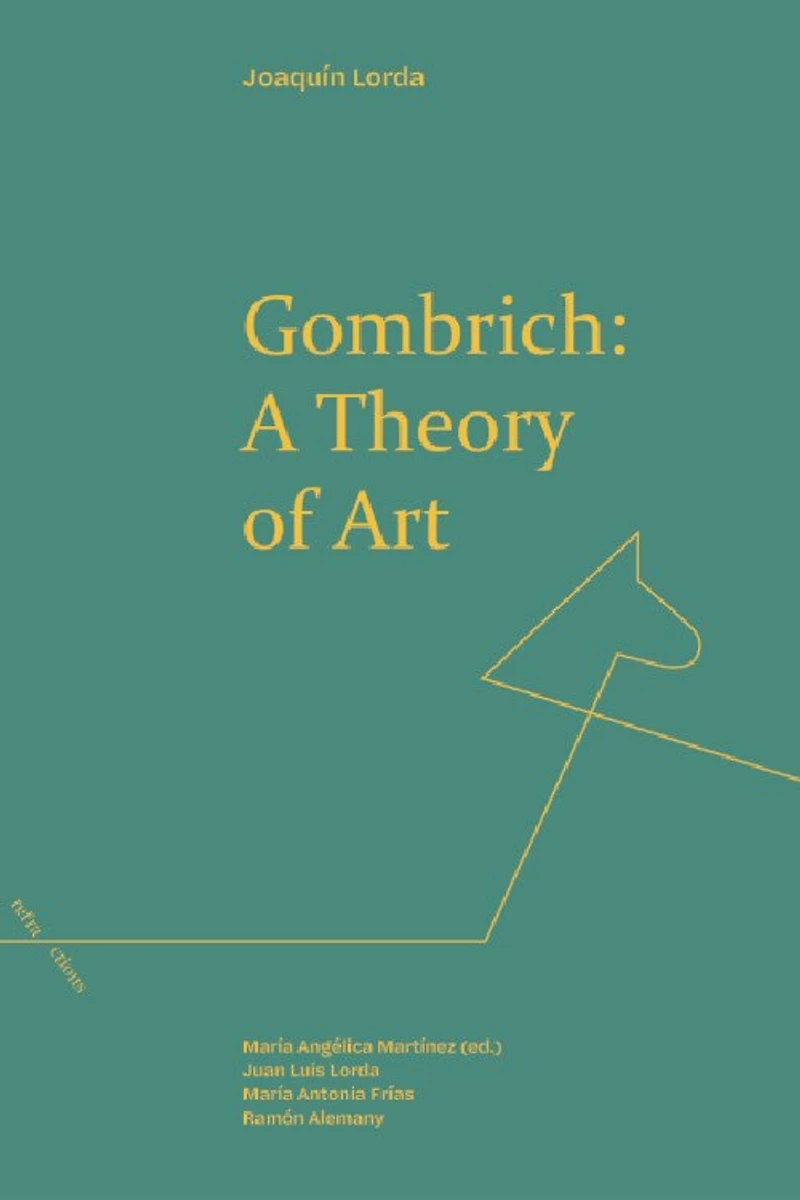
Gombrich: A Theory of Art
Current price: $246.99

Gombrich: A Theory of Art
Current price: $246.99
Loading Inventory...
Size: Hardcover
*Product information may vary - to confirm product availability, pricing, shipping and return information please contact Indigo
This is the first English translation of Gombrich: una teoría del arte , by Joaquín Lorda, originally published in 1991.
Lorda was considered to be one of Gombrich’s best students and this book presents an extensive, expansive and holistic analysis of Gombrich's thought. It is structured around a set of key ideas and themes: Science, Joke, Play and Rhetoric. Lorda provides in-depth analysis of Gombrich's engagement with figures such as Huizinga, Freud, Hegel, and Popper.
While there has been extensive secondary literature on Gombrich, this is the first book to provide a systematic analysis of his ideas and theoretical frameworks, taking into account the entirety of his writings. This major work of scholarship sheds new light on Gombrich as a thinker and turns Gombrich’s ideas into a workable theory of art that can be used as an instrument to examine both the history of art and architecture and its current practice.
This is the first English translation of Gombrich: una teoría del arte , by Joaquín Lorda, originally published in 1991.
Lorda was considered to be one of Gombrich’s best students and this book presents an extensive, expansive and holistic analysis of Gombrich's thought. It is structured around a set of key ideas and themes: Science, Joke, Play and Rhetoric. Lorda provides in-depth analysis of Gombrich's engagement with figures such as Huizinga, Freud, Hegel, and Popper.
While there has been extensive secondary literature on Gombrich, this is the first book to provide a systematic analysis of his ideas and theoretical frameworks, taking into account the entirety of his writings. This major work of scholarship sheds new light on Gombrich as a thinker and turns Gombrich’s ideas into a workable theory of art that can be used as an instrument to examine both the history of art and architecture and its current practice.
You May Also Like








More About Indigo at Erin Mills Town Centre
The largest book retailer in Canada also offers toys, music, home décor, gifts and lifestyle products. What's Inside...Books, Magazines, CD’s and DVD’s, Toys and Gifts, Home Accents, Electronics, Baby’s and Children’s Section, Bath and Body, Kitchen and Bedroom, Stationary Located outside in the exterior plaza.
5015 Glen Erin Dr, Mississauga, ON L5M 0R7, Canada
Find Indigo at Erin Mills Town Centre in Mississauga ON
Visit Indigo at Erin Mills Town Centre in Mississauga ON