

GIVE THE PERFECT GIFT
Erin Mills Town Centre Gift Cards are the perfect choice for your gift giving needs.Purchase gift cards at kiosks near the food court or centre court, at Guest Services, or click below to purchase online.PURCHASE HEREHome
Good Boys: Poems
Indigo
Loading Inventory...
Good Boys: Poems
Current price: $9.89
Original price: $11.99

Good Boys: Poems
Current price: $9.89
Original price: $11.99
Loading Inventory...
Size: Kobo eBook
*Product information may vary - to confirm product availability, pricing, shipping and return information please contact Indigo
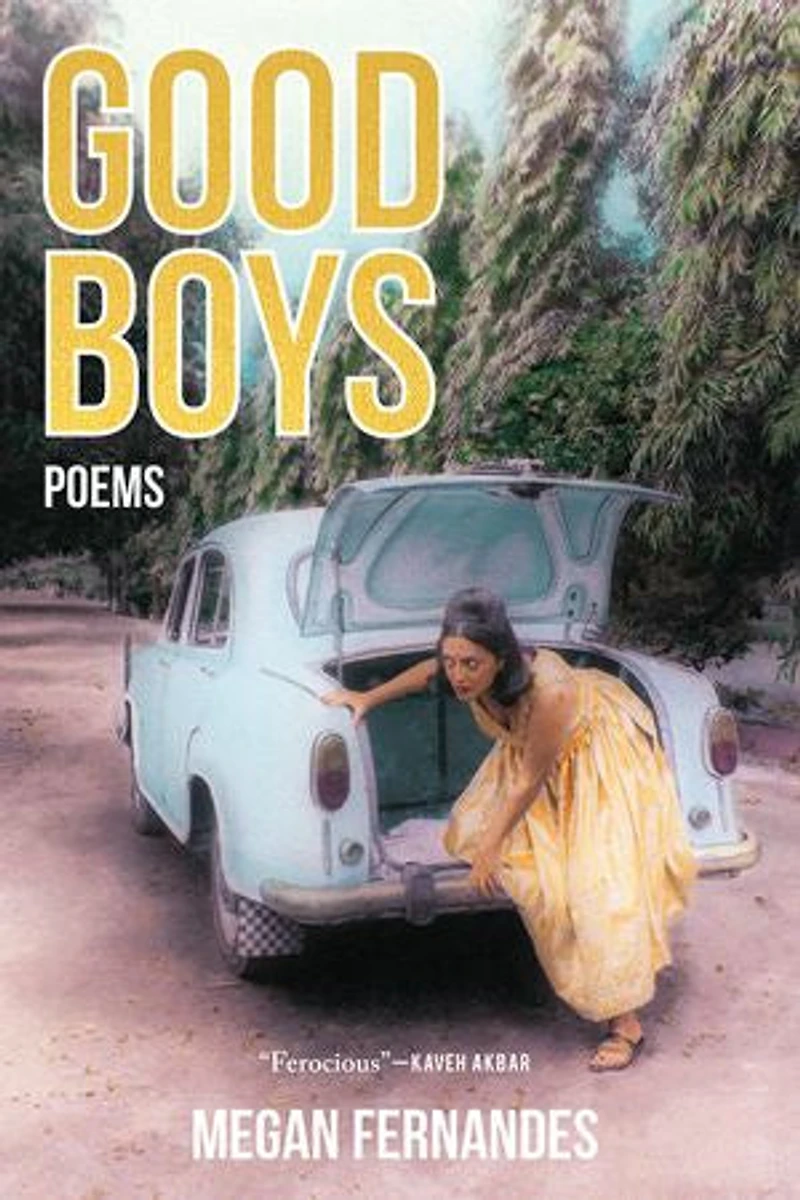
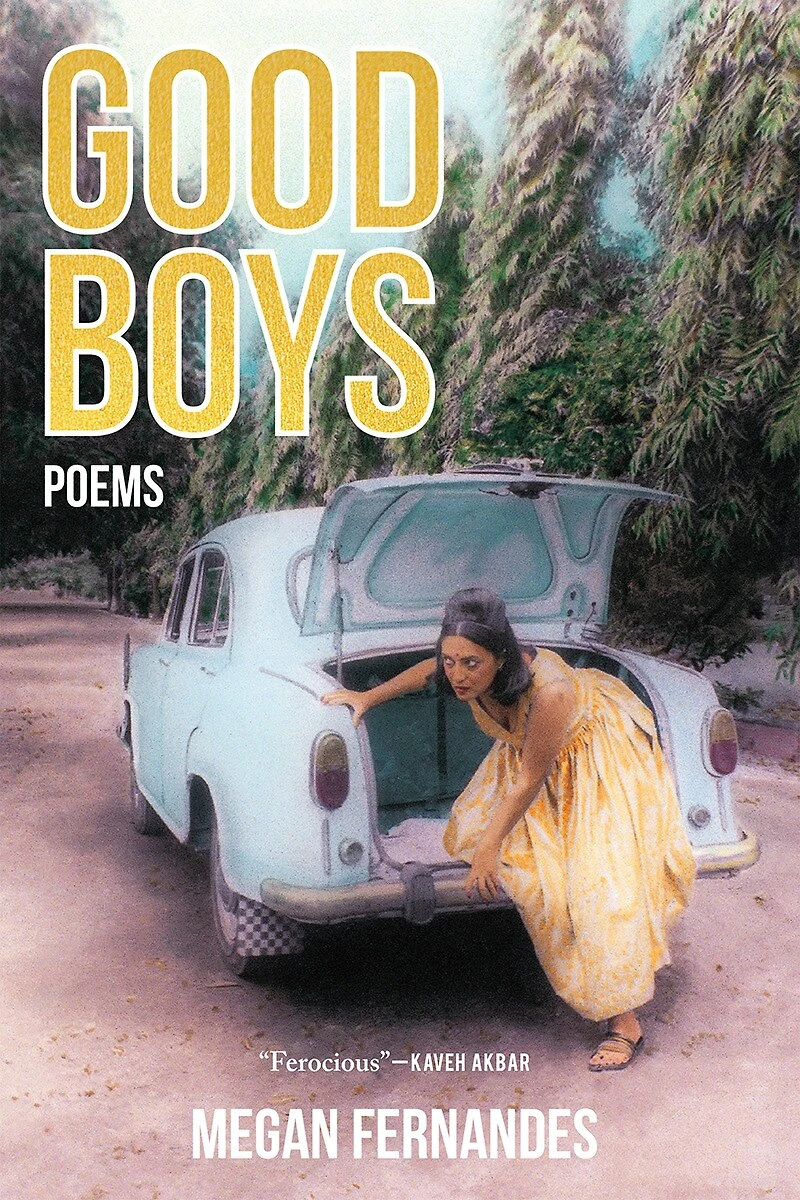
In an era of rising nationalism and geopolitical instability, Megan Fernandes’s Good Boys offers a complex portrait of messy feminist rage, negotiations with race and travel, and existential dread in the Anthropocene. The collection follows a restless, nervy, cosmically abandoned speaker failing at the aspirational markers of adulthood as she flips from city to city, from enchantment to disgust, always reemerging—just barely—on the trains and bridges and bar stools of New York City. A child of the Indian Ocean diaspora, Fernandes enacts the humor and devastation of what it means to exist as a body of contradictions. Her interpretations are muddied. Her feminism is accusatory, messy. Her homelands are theoretical and rootless. The poet converses with goats and throws a fit at a tarot reading; she loves the intimacy of strangers during turbulent plane rides and has dark fantasies about the “hydrogen fruit” of nuclear fallout. Ultimately, these poems possess an affection for the doomed: false beloveds, the hounded earth, civilizations intent on their own ruin. Fernandes skillfully interrogates where to put our fury and, more importantly, where to direct our mercy.
In an era of rising nationalism and geopolitical instability, Megan Fernandes’s Good Boys offers a complex portrait of messy feminist rage, negotiations with race and travel, and existential dread in the Anthropocene. The collection follows a restless, nervy, cosmically abandoned speaker failing at the aspirational markers of adulthood as she flips from city to city, from enchantment to disgust, always reemerging—just barely—on the trains and bridges and bar stools of New York City. A child of the Indian Ocean diaspora, Fernandes enacts the humor and devastation of what it means to exist as a body of contradictions. Her interpretations are muddied. Her feminism is accusatory, messy. Her homelands are theoretical and rootless. The poet converses with goats and throws a fit at a tarot reading; she loves the intimacy of strangers during turbulent plane rides and has dark fantasies about the “hydrogen fruit” of nuclear fallout. Ultimately, these poems possess an affection for the doomed: false beloveds, the hounded earth, civilizations intent on their own ruin. Fernandes skillfully interrogates where to put our fury and, more importantly, where to direct our mercy.












More About Indigo at Erin Mills Town Centre
The largest book retailer in Canada also offers toys, music, home décor, gifts and lifestyle products. What's Inside...Books, Magazines, CD’s and DVD’s, Toys and Gifts, Home Accents, Electronics, Baby’s and Children’s Section, Bath and Body, Kitchen and Bedroom, Stationary Located outside in the exterior plaza.
5015 Glen Erin Dr, Mississauga, ON L5M 0R7, Canada
Find Indigo at Erin Mills Town Centre in Mississauga ON
Visit Indigo at Erin Mills Town Centre in Mississauga ON