

GIVE THE PERFECT GIFT
Erin Mills Town Centre Gift Cards are the perfect choice for your gift giving needs.Purchase gift cards at kiosks near the food court or centre court, at Guest Services, or click below to purchase online.PURCHASE HEREHome
Gothic Dementia: Troubled Minds in Gothic Timelines
Indigo
Loading Inventory...
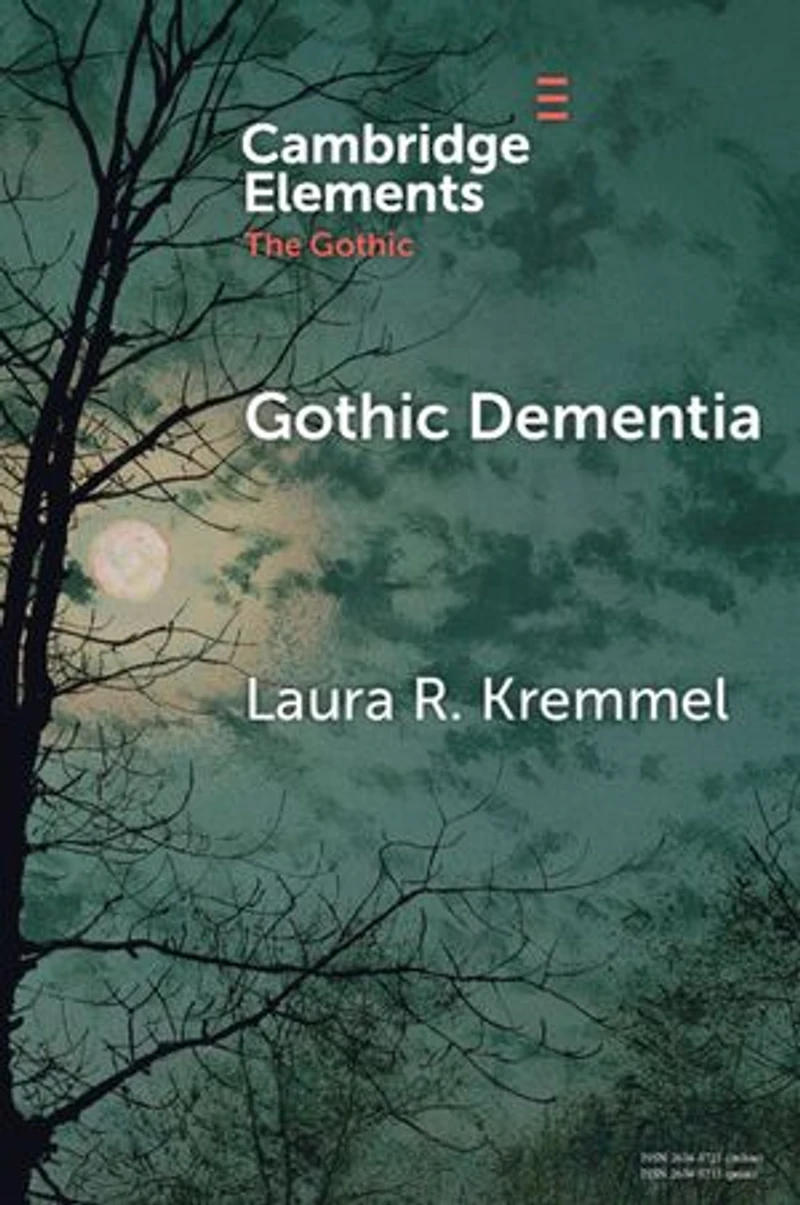
Gothic Dementia: Troubled Minds in Gothic Timelines
Current price: $20.79
Original price: $25.95

Gothic Dementia: Troubled Minds in Gothic Timelines
Current price: $20.79
Original price: $25.95
Loading Inventory...
Size: Kobo eBook
*Product information may vary - to confirm product availability, pricing, shipping and return information please contact Indigo
Gothic Dementia: Troubled Minds in Gothic Timelines introduces Gothic studies as a valuable lens through which to critically consider how we think about dementia. It argues that the Gothic's foundational narrative techniques can model approaches to similar dementia symptoms, such as chronological confusion, fragmentation, cyclical storytelling, repetition, unreliable narrators, unstable identities, uncanny behaviours, and Otherness. If we can navigate these challenging narrative elements in literature, can we navigate similar challenging dementia signs using interpretive strategies? Gothic Dementia considers this question in two ways: (1) through Gothic literary elements that correlate to characteristics of dementia and (2) through contentious horror film depictions of characters with dementia and their caregivers. Reading Gothic works and horror films within the context of dementia studies—and vice versa—can contribute valuable insights into a feared disease that threatens the core of who we imagine ourselves and others to be.
Gothic Dementia: Troubled Minds in Gothic Timelines introduces Gothic studies as a valuable lens through which to critically consider how we think about dementia. It argues that the Gothic's foundational narrative techniques can model approaches to similar dementia symptoms, such as chronological confusion, fragmentation, cyclical storytelling, repetition, unreliable narrators, unstable identities, uncanny behaviours, and Otherness. If we can navigate these challenging narrative elements in literature, can we navigate similar challenging dementia signs using interpretive strategies? Gothic Dementia considers this question in two ways: (1) through Gothic literary elements that correlate to characteristics of dementia and (2) through contentious horror film depictions of characters with dementia and their caregivers. Reading Gothic works and horror films within the context of dementia studies—and vice versa—can contribute valuable insights into a feared disease that threatens the core of who we imagine ourselves and others to be.
You May Also Like










More About Indigo at Erin Mills Town Centre
The largest book retailer in Canada also offers toys, music, home décor, gifts and lifestyle products. What's Inside...Books, Magazines, CD’s and DVD’s, Toys and Gifts, Home Accents, Electronics, Baby’s and Children’s Section, Bath and Body, Kitchen and Bedroom, Stationary Located outside in the exterior plaza.
5015 Glen Erin Dr, Mississauga, ON L5M 0R7, Canada
Find Indigo at Erin Mills Town Centre in Mississauga ON
Visit Indigo at Erin Mills Town Centre in Mississauga ON