

GIVE THE PERFECT GIFT
Erin Mills Town Centre Gift Cards are the perfect choice for your gift giving needs.Purchase gift cards at kiosks near the food court or centre court, at Guest Services, or click below to purchase online.PURCHASE HEREHome
Graphics and Text in the Production of Technical Knowledge in China: The Warp and the Weft
Indigo
Loading Inventory...
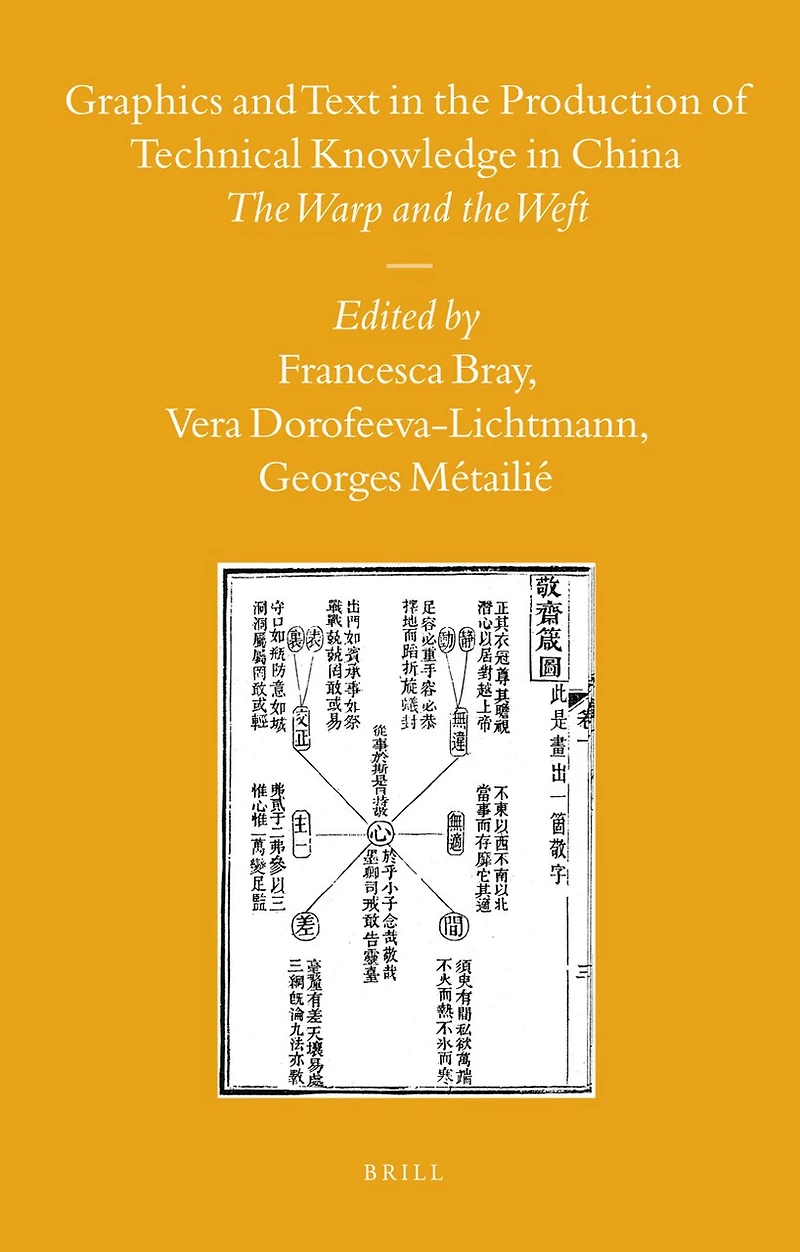
Graphics and Text in the Production of Technical Knowledge in China: The Warp and the Weft
Current price: $363.99

Graphics and Text in the Production of Technical Knowledge in China: The Warp and the Weft
Current price: $363.99
Loading Inventory...
Size: Hardcover
*Product information may vary - to confirm product availability, pricing, shipping and return information please contact Indigo
This collection offers a challenging new interpretation of technical knowledge in Chinese thought and practice. Conveying technical knowledge in China through charts, plans or drawings ( tu ) dates back to antiquity. Earlier studies focused on specialised forms of tu like maps or drawings of machines. Here, however, tu is identified in Chinese terms, viz. as a philosophical category of knowledge production: visual templates for action, spanning a range from mandala to modernist mapping projects, inseparable from writing but with distinctive powers of communication. A distinction is made between two principal types of tu : ritual/symbolic and representational, highlighting essential issues such as historical shifts in their significance, the relations between tu and political power, media for inscribing tu and the impact of printing, and encounters with the West.
This collection offers a challenging new interpretation of technical knowledge in Chinese thought and practice. Conveying technical knowledge in China through charts, plans or drawings ( tu ) dates back to antiquity. Earlier studies focused on specialised forms of tu like maps or drawings of machines. Here, however, tu is identified in Chinese terms, viz. as a philosophical category of knowledge production: visual templates for action, spanning a range from mandala to modernist mapping projects, inseparable from writing but with distinctive powers of communication. A distinction is made between two principal types of tu : ritual/symbolic and representational, highlighting essential issues such as historical shifts in their significance, the relations between tu and political power, media for inscribing tu and the impact of printing, and encounters with the West.
You May Also Like







More About Indigo at Erin Mills Town Centre
The largest book retailer in Canada also offers toys, music, home décor, gifts and lifestyle products. What's Inside...Books, Magazines, CD’s and DVD’s, Toys and Gifts, Home Accents, Electronics, Baby’s and Children’s Section, Bath and Body, Kitchen and Bedroom, Stationary Located outside in the exterior plaza.
5015 Glen Erin Dr, Mississauga, ON L5M 0R7, Canada
Find Indigo at Erin Mills Town Centre in Mississauga ON
Visit Indigo at Erin Mills Town Centre in Mississauga ON