

GIVE THE PERFECT GIFT
Erin Mills Town Centre Gift Cards are the perfect choice for your gift giving needs.Purchase gift cards at kiosks near the food court or centre court, at Guest Services, or click below to purchase online.PURCHASE HEREHome
Greek Theatre between Antiquity and Independence: A History of Reinvention from the Third Century BC to 1830
Indigo
Loading Inventory...
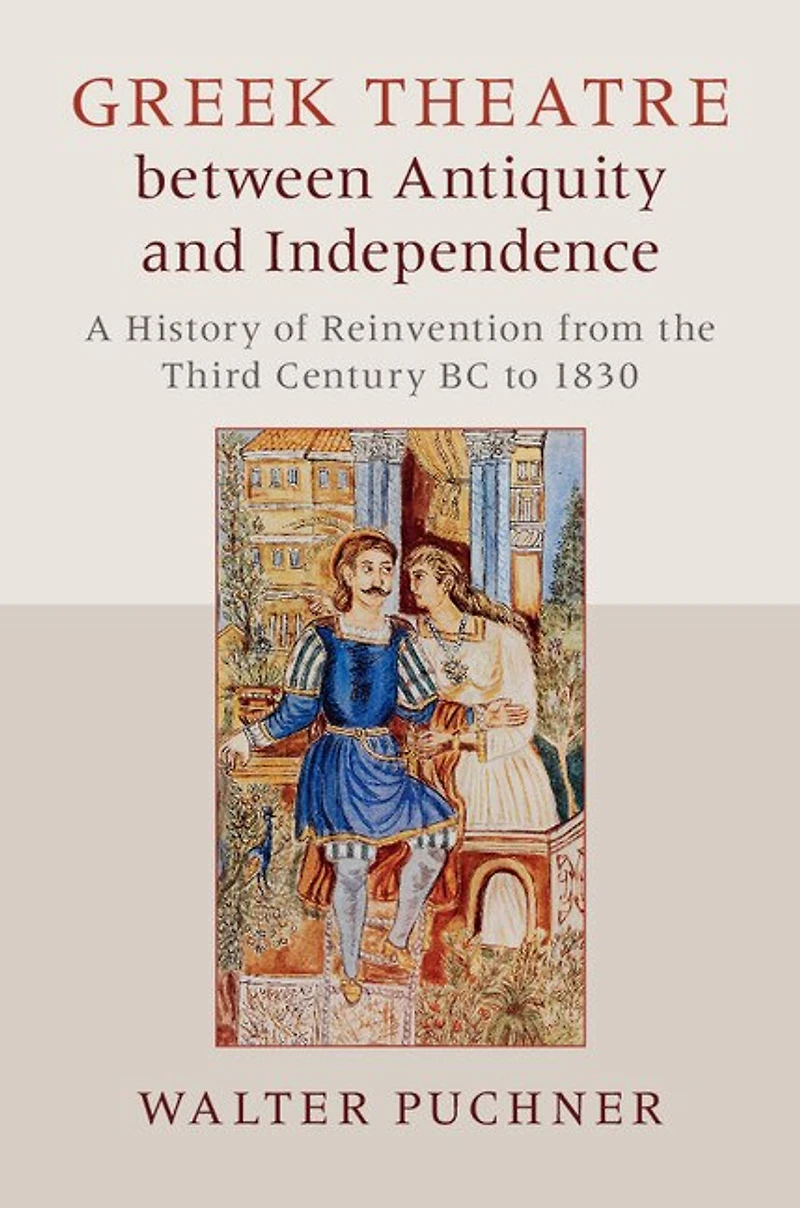
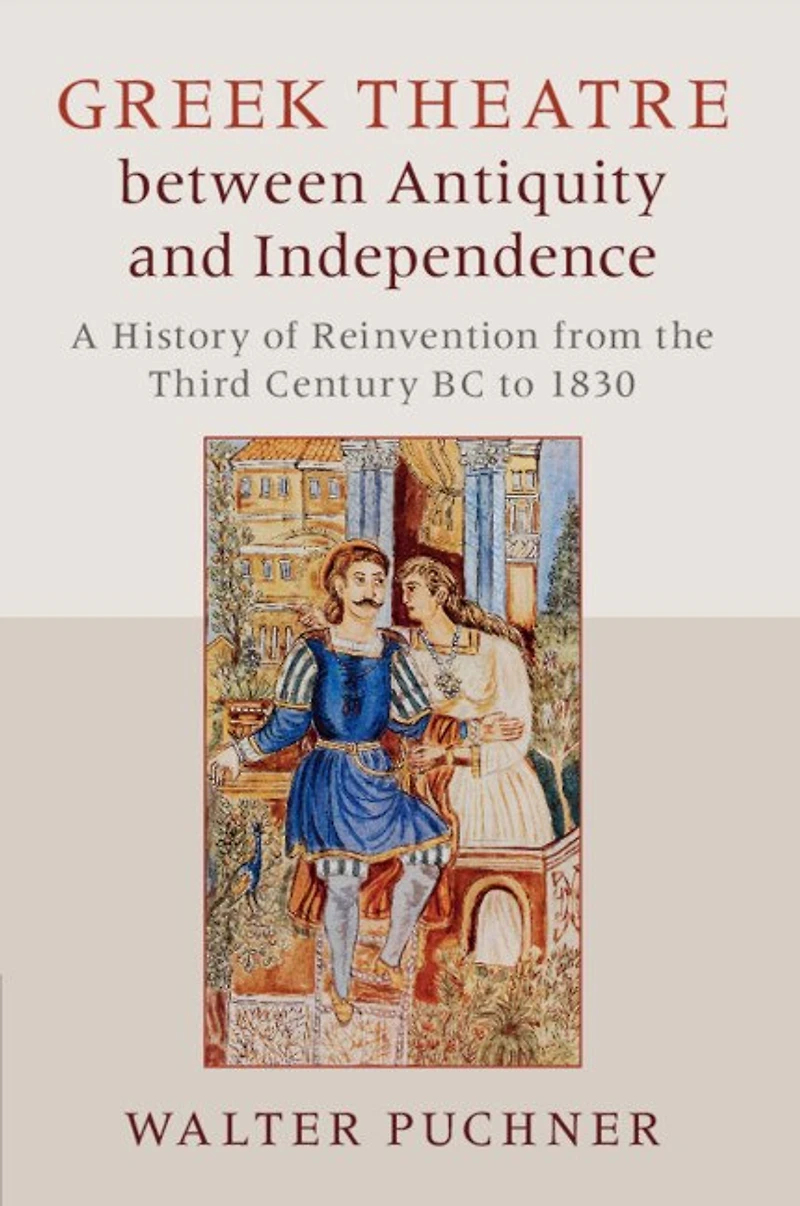
Greek Theatre between Antiquity and Independence: A History of Reinvention from the Third Century BC to 1830
Current price: $154.95

Greek Theatre between Antiquity and Independence: A History of Reinvention from the Third Century BC to 1830
Current price: $154.95
Loading Inventory...
Size: Hardcover
*Product information may vary - to confirm product availability, pricing, shipping and return information please contact Indigo
This first general history of Greek theatre from Hellenistic times to the foundation of the Modern Greek state in 1830 marks a radical departure from traditional methods of historiography. We like to think of history unfolding continuously, in an evolutionary form, but the story of Greek theatre is rather different. After traditional theatre ended in the sixth and seventh centuries, no traditional drama was written or performed on stage throughout the Greek-speaking world for centuries due to the Orthodox Church's hostile attitude toward spectacles. With the reinvention of theatre in Renaissance Italy, however, Greek theatre was revived in Crete under Venetian rule in the late sixteenth century. The following centuries saw the restoration of Greek theatre at various locations, albeit characterized by numerous ruptures and discontinuities in terms of geography, stylistics, thematic approaches and ideologies. These diverse developments were only 'normalized' with the establishment of the Greek nation state.
This first general history of Greek theatre from Hellenistic times to the foundation of the Modern Greek state in 1830 marks a radical departure from traditional methods of historiography. We like to think of history unfolding continuously, in an evolutionary form, but the story of Greek theatre is rather different. After traditional theatre ended in the sixth and seventh centuries, no traditional drama was written or performed on stage throughout the Greek-speaking world for centuries due to the Orthodox Church's hostile attitude toward spectacles. With the reinvention of theatre in Renaissance Italy, however, Greek theatre was revived in Crete under Venetian rule in the late sixteenth century. The following centuries saw the restoration of Greek theatre at various locations, albeit characterized by numerous ruptures and discontinuities in terms of geography, stylistics, thematic approaches and ideologies. These diverse developments were only 'normalized' with the establishment of the Greek nation state.
You May Also Like










More About Indigo at Erin Mills Town Centre
The largest book retailer in Canada also offers toys, music, home décor, gifts and lifestyle products. What's Inside...Books, Magazines, CD’s and DVD’s, Toys and Gifts, Home Accents, Electronics, Baby’s and Children’s Section, Bath and Body, Kitchen and Bedroom, Stationary Located outside in the exterior plaza.
5015 Glen Erin Dr, Mississauga, ON L5M 0R7, Canada
Find Indigo at Erin Mills Town Centre in Mississauga ON
Visit Indigo at Erin Mills Town Centre in Mississauga ON