

GIVE THE PERFECT GIFT
Erin Mills Town Centre Gift Cards are the perfect choice for your gift giving needs.Purchase gift cards at kiosks near the food court or centre court, at Guest Services, or click below to purchase online.PURCHASE HEREHome
Green Analytical Chemistry: Theory and Practice
Indigo
Loading Inventory...
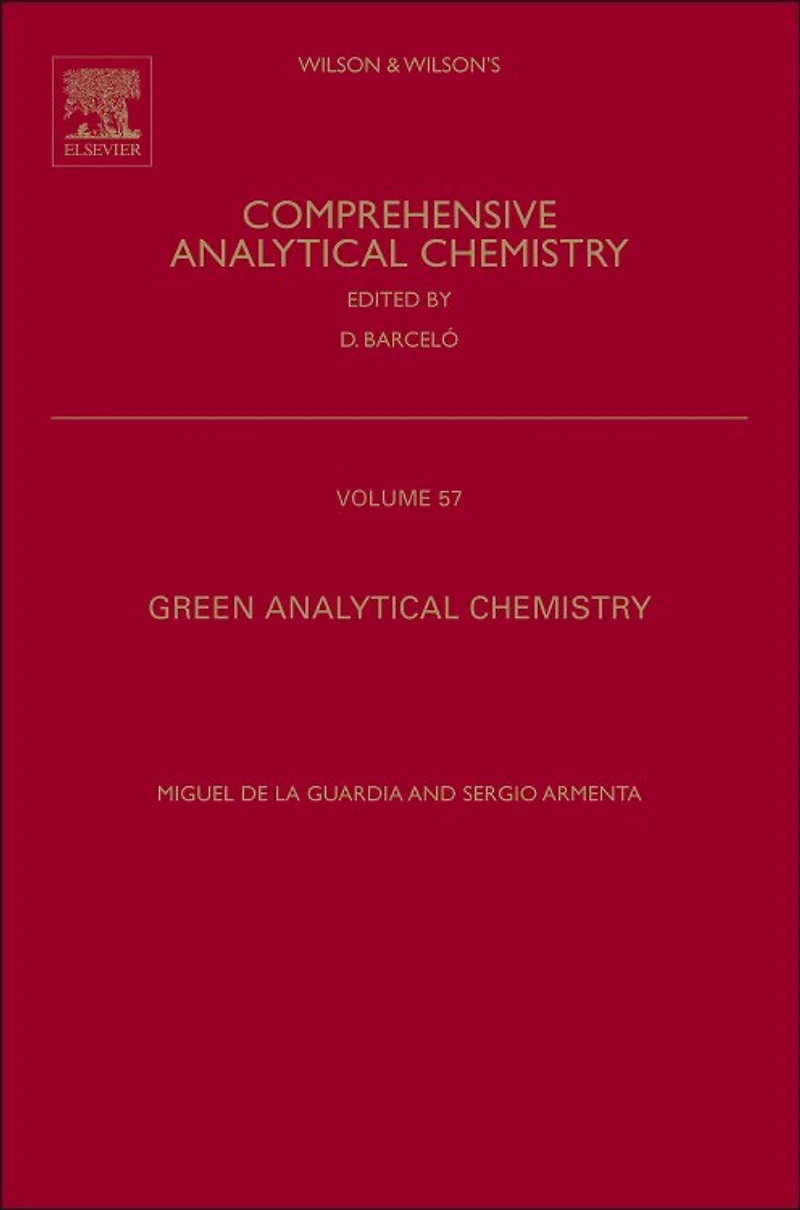
Green Analytical Chemistry: Theory and Practice
Current price: $429.50

Green Analytical Chemistry: Theory and Practice
Current price: $429.50
Loading Inventory...
Size: Hardcover
*Product information may vary - to confirm product availability, pricing, shipping and return information please contact Indigo
This book provides basic coverage of the fundamentals and principles of green chemistry as it applies to chemical analysis. The main goal of Green Analytical Chemistry is to avoid or reduce the undesirable environmental side effects of chemical analysis, while preserving the classic analytical parameters of accuracy, sensitivity, selectivity, and precision. The authors review the main strategies for greening analytical methods, concentrating on minimizing sample preparation and handling, reducing solvent and reagent consumption, reducing energy consumption, minimizing of waste, operator safety and the economic savings that this approach offers. Suggestions are made to educators and editors to standardize terminology in order to facilitate the identification of analytical studies on green alternatives in the literature because there is not a wide and generalized use of a common term that can group efforts to prevent waste, avoid the use of potentially toxic reagents or solvents and those involving the decontamination of wastes.
provides environmentally-friendly alternatives to established analytical practice
focuses on the cost-saving opportunities offered
emphasis on laboratory personnel safety
This book provides basic coverage of the fundamentals and principles of green chemistry as it applies to chemical analysis. The main goal of Green Analytical Chemistry is to avoid or reduce the undesirable environmental side effects of chemical analysis, while preserving the classic analytical parameters of accuracy, sensitivity, selectivity, and precision. The authors review the main strategies for greening analytical methods, concentrating on minimizing sample preparation and handling, reducing solvent and reagent consumption, reducing energy consumption, minimizing of waste, operator safety and the economic savings that this approach offers. Suggestions are made to educators and editors to standardize terminology in order to facilitate the identification of analytical studies on green alternatives in the literature because there is not a wide and generalized use of a common term that can group efforts to prevent waste, avoid the use of potentially toxic reagents or solvents and those involving the decontamination of wastes.
provides environmentally-friendly alternatives to established analytical practice
focuses on the cost-saving opportunities offered
emphasis on laboratory personnel safety
You May Also Like









More About Indigo at Erin Mills Town Centre
The largest book retailer in Canada also offers toys, music, home décor, gifts and lifestyle products. What's Inside...Books, Magazines, CD’s and DVD’s, Toys and Gifts, Home Accents, Electronics, Baby’s and Children’s Section, Bath and Body, Kitchen and Bedroom, Stationary Located outside in the exterior plaza.
5015 Glen Erin Dr, Mississauga, ON L5M 0R7, Canada
Find Indigo at Erin Mills Town Centre in Mississauga ON
Visit Indigo at Erin Mills Town Centre in Mississauga ON