

GIVE THE PERFECT GIFT
Erin Mills Town Centre Gift Cards are the perfect choice for your gift giving needs.Purchase gift cards at kiosks near the food court or centre court, at Guest Services, or click below to purchase online.PURCHASE HEREHome
Grime, Glitter, and Glass: the Body Sonic Contemporary Black Art
Indigo
Loading Inventory...
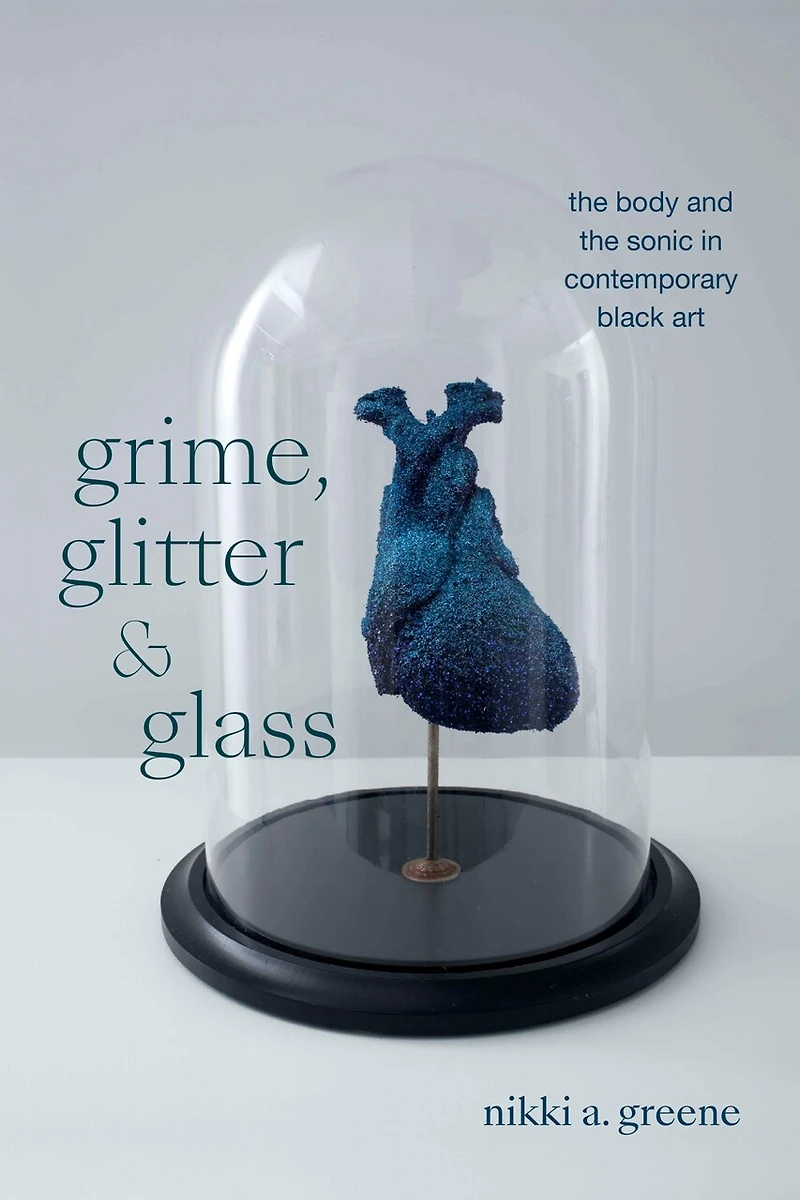
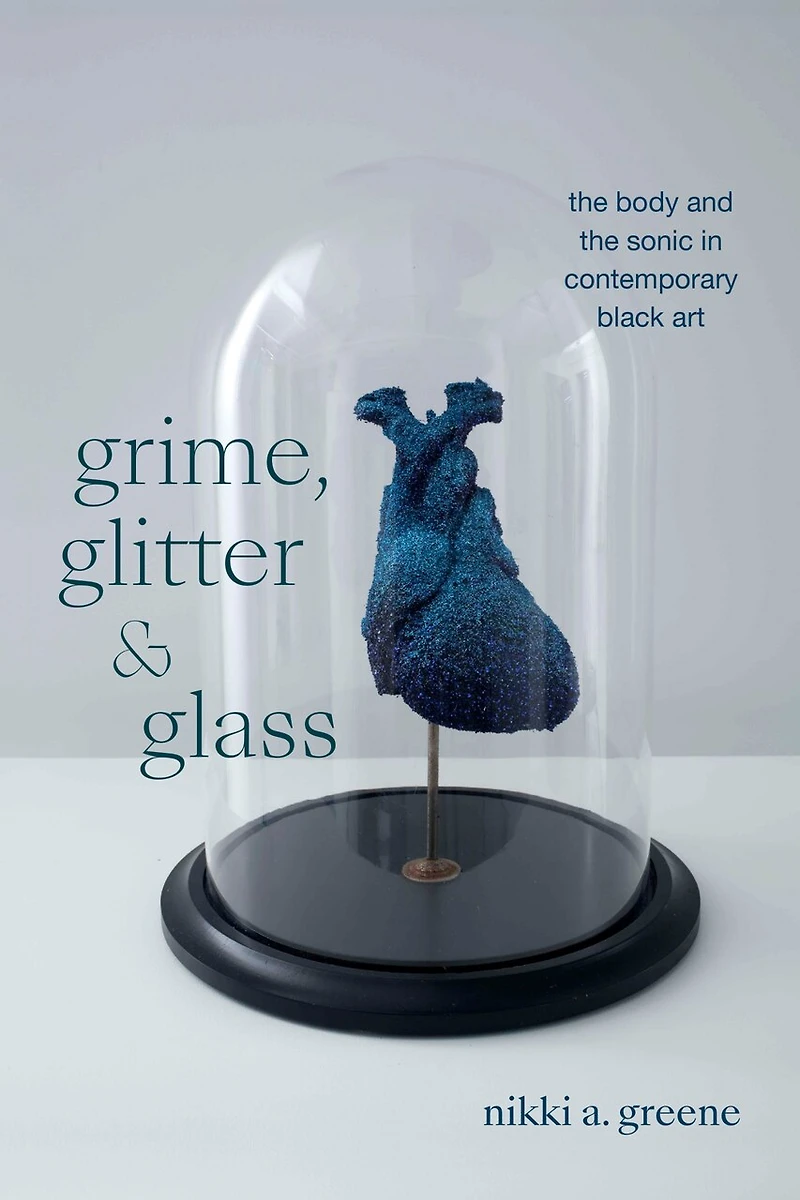
Grime, Glitter, and Glass: the Body Sonic Contemporary Black Art
Current price: $136.95

Grime, Glitter, and Glass: the Body Sonic Contemporary Black Art
Current price: $136.95
Loading Inventory...
Size: Hardcover
*Product information may vary - to confirm product availability, pricing, shipping and return information please contact Indigo
In Grime, Glitter, and Glass , Nikki A. Greene examines how contemporary Black visual artists use sonic elements to refigure the formal and philosophical developments of Black art and culture. Focusing on the multimedia art of Rene Stout, Radcliffe Bailey, and Mara Magdalena Campos-Pons, Greene traces the intersection of the visual's sonic possibilities with the Black body's physical, representational, and metaphorical use in art. She employs her concept of "visual aesthetic musicality" to interpret Black visual art by examining the musical genres of jazz and rap, along with the often-overlooked innovations of funk and rumba, within art historiography. From Bailey's use of multilayered surfaces of glitter, mud, and recycled materials to meditate on Sun Ra's Afrofuturism to Stout's life-size cast of her own body that recalls funk musician Betty Davis to Campos-Pons's performative and sculptural references to sugar that resonate with the legacy of Celia Cruz, Greene outlines how these artists use mediums such as molded glass sculptures, viscous wet plaster, and dazzling mannequin heads to enhance the manifestations of Black identity. By foregrounding the sonic elements of their work, Greene demonstrates that these artists use sound to make themselves legible, recognizable, and audible.
In Grime, Glitter, and Glass , Nikki A. Greene examines how contemporary Black visual artists use sonic elements to refigure the formal and philosophical developments of Black art and culture. Focusing on the multimedia art of Rene Stout, Radcliffe Bailey, and Mara Magdalena Campos-Pons, Greene traces the intersection of the visual's sonic possibilities with the Black body's physical, representational, and metaphorical use in art. She employs her concept of "visual aesthetic musicality" to interpret Black visual art by examining the musical genres of jazz and rap, along with the often-overlooked innovations of funk and rumba, within art historiography. From Bailey's use of multilayered surfaces of glitter, mud, and recycled materials to meditate on Sun Ra's Afrofuturism to Stout's life-size cast of her own body that recalls funk musician Betty Davis to Campos-Pons's performative and sculptural references to sugar that resonate with the legacy of Celia Cruz, Greene outlines how these artists use mediums such as molded glass sculptures, viscous wet plaster, and dazzling mannequin heads to enhance the manifestations of Black identity. By foregrounding the sonic elements of their work, Greene demonstrates that these artists use sound to make themselves legible, recognizable, and audible.












More About Indigo at Erin Mills Town Centre
The largest book retailer in Canada also offers toys, music, home décor, gifts and lifestyle products. What's Inside...Books, Magazines, CD’s and DVD’s, Toys and Gifts, Home Accents, Electronics, Baby’s and Children’s Section, Bath and Body, Kitchen and Bedroom, Stationary Located outside in the exterior plaza.
5015 Glen Erin Dr, Mississauga, ON L5M 0R7, Canada
Find Indigo at Erin Mills Town Centre in Mississauga ON
Visit Indigo at Erin Mills Town Centre in Mississauga ON