

GIVE THE PERFECT GIFT
Erin Mills Town Centre Gift Cards are the perfect choice for your gift giving needs.Purchase gift cards at kiosks near the food court or centre court, at Guest Services, or click below to purchase online.PURCHASE HEREHome
Group Dynamics: Collectives of the Modernist Period
Indigo
Loading Inventory...
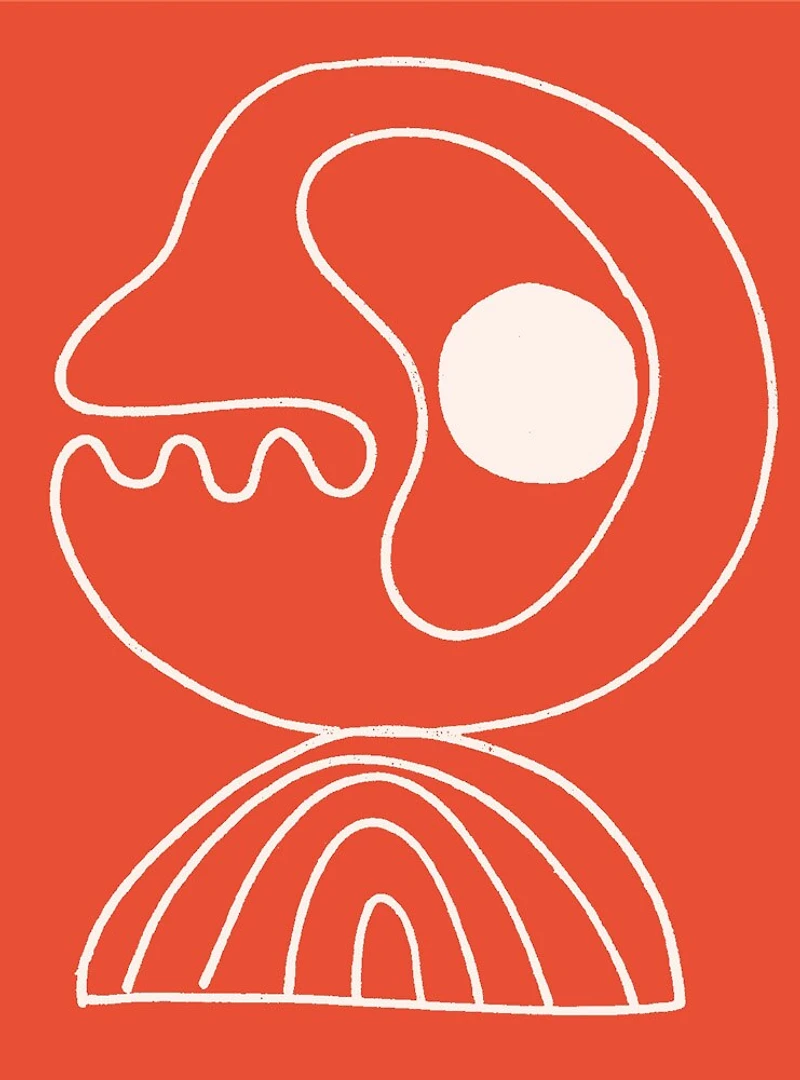
Group Dynamics: Collectives of the Modernist Period
Current price: $100.00

Group Dynamics: Collectives of the Modernist Period
Current price: $100.00
Loading Inventory...
Size: Paperback
*Product information may vary - to confirm product availability, pricing, shipping and return information please contact Indigo
A global history of 20th-century collectives Buenos Aires, Casablanca, Beijing, Khartoum, Lahore, Tokyo: over the course of the 20th century, artists formed collectives all over the world. But if the impulse to create such groups was universal, the concerns of their members, their aesthetic methods, political goals and utopian aspirations varied greatly. This massive volume illuminates the emergence and development of collectives against the background of their respective social and cultural contemporaneity from 1900 to 1980.
Collectives featured : No Name Group (Beijing, 1970s), New Measurement Group (Beijing, 1989), the Grupo dos Cinco (São Paulo, 1920s), Los Artistas del Pueblo vs. Martínfierristas and Xul Solar‘s “Neo-Criollo” (Buenos Aires, 1920s), Kollektiv a.r. (Lodz), Bombay Progressive Artists Group, Lahore Art Circle, the Nsukka School, Uche Ukeke, Kokuga-kai, Nihonga, Kokyou-kai, Mochizucki Katsura, Action, MAVO, Sanka, the Casablanca School and the Khartoum School.
A global history of 20th-century collectives Buenos Aires, Casablanca, Beijing, Khartoum, Lahore, Tokyo: over the course of the 20th century, artists formed collectives all over the world. But if the impulse to create such groups was universal, the concerns of their members, their aesthetic methods, political goals and utopian aspirations varied greatly. This massive volume illuminates the emergence and development of collectives against the background of their respective social and cultural contemporaneity from 1900 to 1980.
Collectives featured : No Name Group (Beijing, 1970s), New Measurement Group (Beijing, 1989), the Grupo dos Cinco (São Paulo, 1920s), Los Artistas del Pueblo vs. Martínfierristas and Xul Solar‘s “Neo-Criollo” (Buenos Aires, 1920s), Kollektiv a.r. (Lodz), Bombay Progressive Artists Group, Lahore Art Circle, the Nsukka School, Uche Ukeke, Kokuga-kai, Nihonga, Kokyou-kai, Mochizucki Katsura, Action, MAVO, Sanka, the Casablanca School and the Khartoum School.
You May Also Like








More About Indigo at Erin Mills Town Centre
The largest book retailer in Canada also offers toys, music, home décor, gifts and lifestyle products. What's Inside...Books, Magazines, CD’s and DVD’s, Toys and Gifts, Home Accents, Electronics, Baby’s and Children’s Section, Bath and Body, Kitchen and Bedroom, Stationary Located outside in the exterior plaza.
5015 Glen Erin Dr, Mississauga, ON L5M 0R7, Canada
Find Indigo at Erin Mills Town Centre in Mississauga ON
Visit Indigo at Erin Mills Town Centre in Mississauga ON