

GIVE THE PERFECT GIFT
Erin Mills Town Centre Gift Cards are the perfect choice for your gift giving needs.Purchase gift cards at kiosks near the food court or centre court, at Guest Services, or click below to purchase online.PURCHASE HEREHome
Gullah Culture in America
Indigo
Loading Inventory...
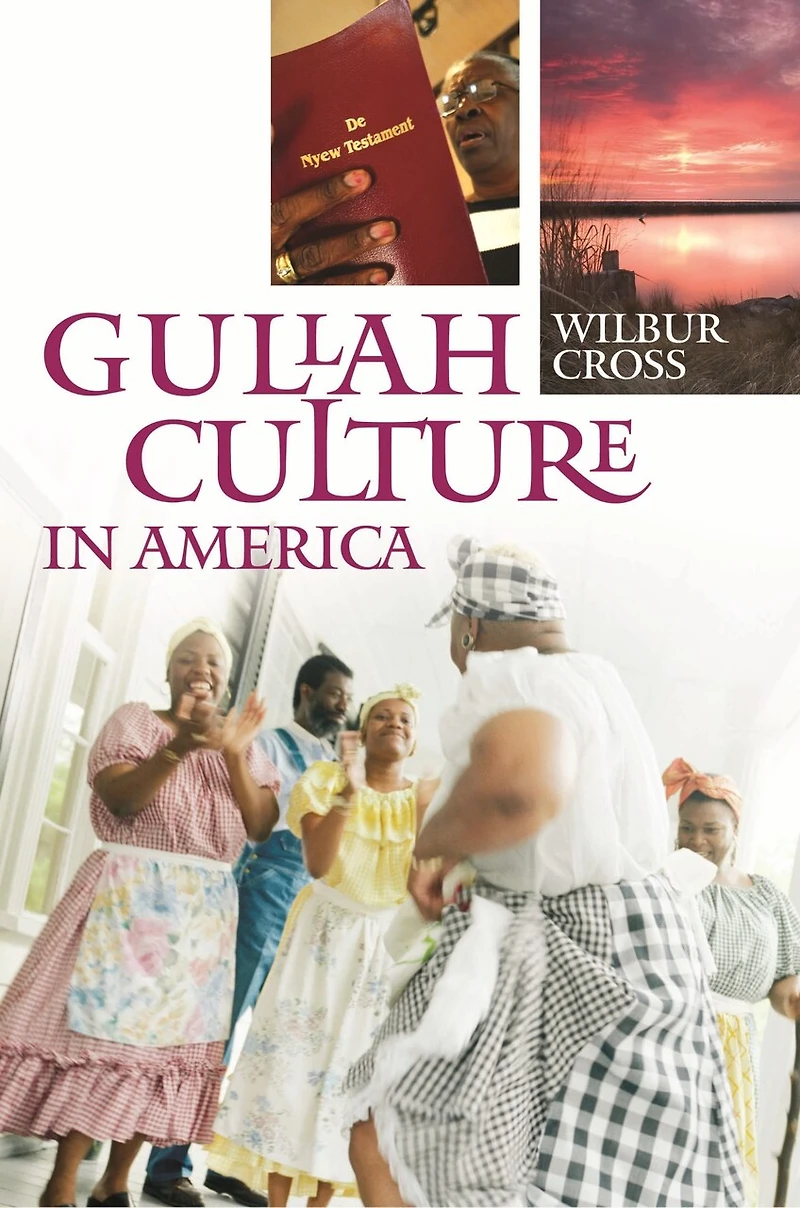
Gullah Culture in America
Current price: $99.50

Gullah Culture in America
Current price: $99.50
Loading Inventory...
Size: Hardcover
*Product information may vary - to confirm product availability, pricing, shipping and return information please contact Indigo
In 1989, 1998, and 2005, fifteen Gullah speakers went to Sierra Leone and other parts of West Africa to trace their origins and ancestry. Their journey frames this exploration of the extraordinary history of the Gullah culture-characterized by strong African cultural retention and a direct influence on American culture, particularly in the South-described in this fascinating book. Since long before the Revolution, America has had hidden pockets of a bygone African culture with a language of its own, and long endowed with traditions, language, design, medicine, agriculture, fishing, hunting, weaving, and the arts. This book explores the Gullah culture's direct link to Africa, via the sea islands of the American southeast. The first published evidence of Gullah went almost unrecorded until the 1860s, when missionaries from Philadelphia made their way, even as the Civil War was at its height, to St. Helena Island, South Carolina, to establish a small institution called Penn School to help freed slaves learn how to read and write and make a living in a world of upheaval and distress. There they noticed that most of the islanders spoke a language that was only part English, tempered with expressions and idioms, often spoken in a melodious, euphonic manner, accompanied by distinctive practices in religion, work, dancing, greetings, and the arts. The homogeneity, richness, and consistency of this culture was possible because the sea-islanders were isolated. Even today, there are more than 300,000 Gullah people, many of whom speak little or no English, living in the remoter areas of the sea islands of St. Helena, Edisto, Coosay, Ossabaw, Sapelo, Daufuskie, and Cumberland. Gullah Culture in America explores not only the history of Gullah, but takes the reader behind the scenes of Gullah culture today to show what it's like to grow up, live, and celebrate in this remarkable and uniquely American community.
In 1989, 1998, and 2005, fifteen Gullah speakers went to Sierra Leone and other parts of West Africa to trace their origins and ancestry. Their journey frames this exploration of the extraordinary history of the Gullah culture-characterized by strong African cultural retention and a direct influence on American culture, particularly in the South-described in this fascinating book. Since long before the Revolution, America has had hidden pockets of a bygone African culture with a language of its own, and long endowed with traditions, language, design, medicine, agriculture, fishing, hunting, weaving, and the arts. This book explores the Gullah culture's direct link to Africa, via the sea islands of the American southeast. The first published evidence of Gullah went almost unrecorded until the 1860s, when missionaries from Philadelphia made their way, even as the Civil War was at its height, to St. Helena Island, South Carolina, to establish a small institution called Penn School to help freed slaves learn how to read and write and make a living in a world of upheaval and distress. There they noticed that most of the islanders spoke a language that was only part English, tempered with expressions and idioms, often spoken in a melodious, euphonic manner, accompanied by distinctive practices in religion, work, dancing, greetings, and the arts. The homogeneity, richness, and consistency of this culture was possible because the sea-islanders were isolated. Even today, there are more than 300,000 Gullah people, many of whom speak little or no English, living in the remoter areas of the sea islands of St. Helena, Edisto, Coosay, Ossabaw, Sapelo, Daufuskie, and Cumberland. Gullah Culture in America explores not only the history of Gullah, but takes the reader behind the scenes of Gullah culture today to show what it's like to grow up, live, and celebrate in this remarkable and uniquely American community.
You May Also Like












More About Indigo at Erin Mills Town Centre
The largest book retailer in Canada also offers toys, music, home décor, gifts and lifestyle products. What's Inside...Books, Magazines, CD’s and DVD’s, Toys and Gifts, Home Accents, Electronics, Baby’s and Children’s Section, Bath and Body, Kitchen and Bedroom, Stationary Located outside in the exterior plaza.
5015 Glen Erin Dr, Mississauga, ON L5M 0R7, Canada
Find Indigo at Erin Mills Town Centre in Mississauga ON
Visit Indigo at Erin Mills Town Centre in Mississauga ON