

GIVE THE PERFECT GIFT
Erin Mills Town Centre Gift Cards are the perfect choice for your gift giving needs.Purchase gift cards at kiosks near the food court or centre court, at Guest Services, or click below to purchase online.PURCHASE HEREHome
Gustav Mahler's Symphonic Landscapes
Indigo
Loading Inventory...
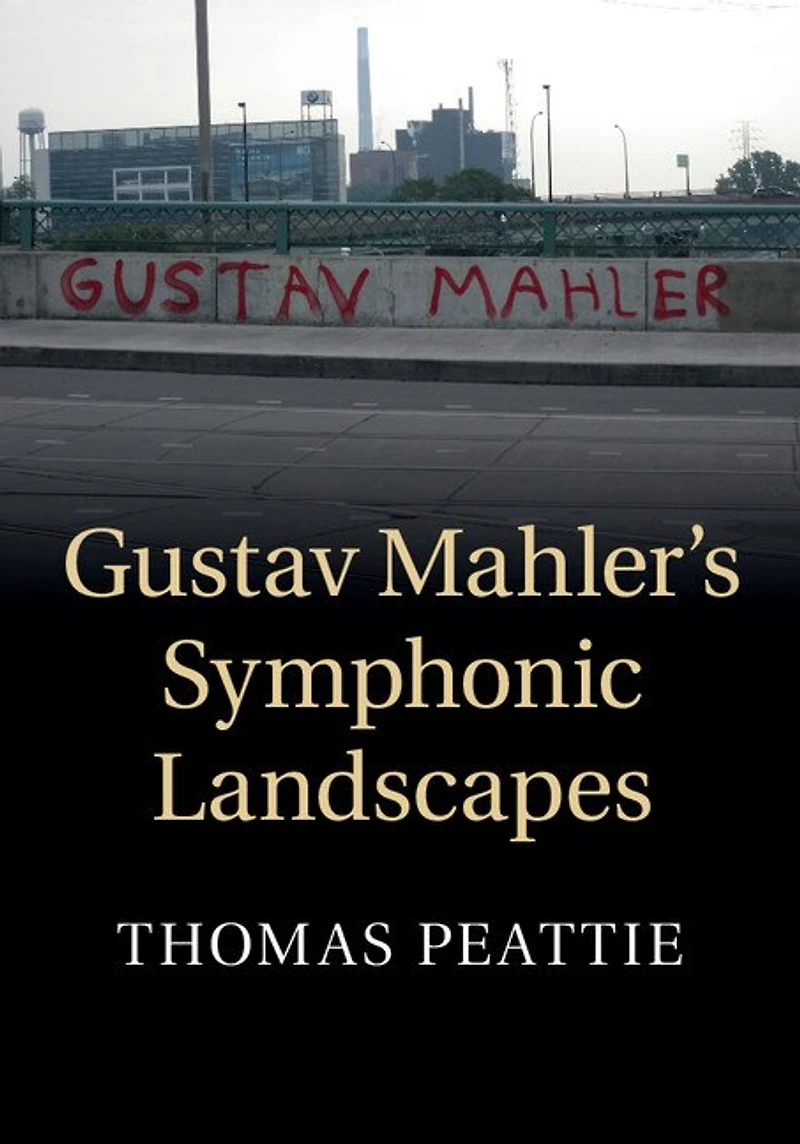
Gustav Mahler's Symphonic Landscapes
Current price: $152.95

Gustav Mahler's Symphonic Landscapes
Current price: $152.95
Loading Inventory...
Size: Hardcover
*Product information may vary - to confirm product availability, pricing, shipping and return information please contact Indigo
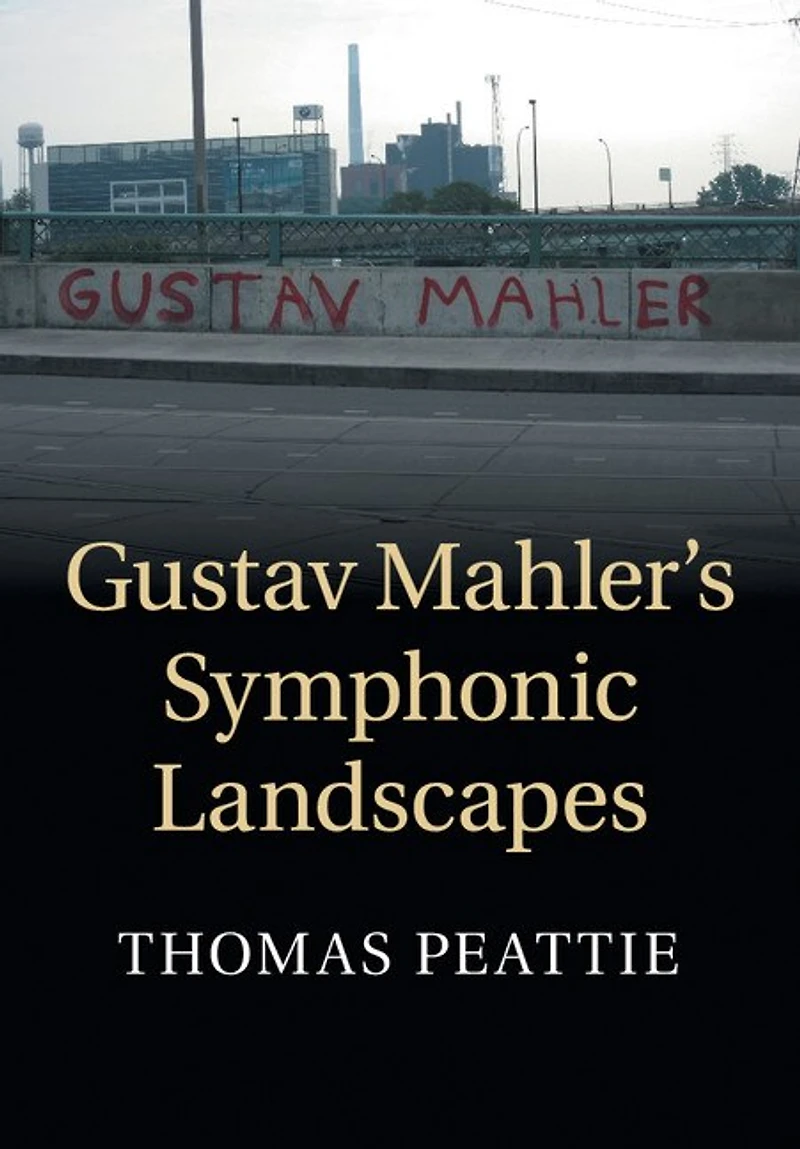
The relationship between Gustav Mahler's career as conductor and his symphonic writing has remained largely unexplored territory with respect to his provocative re-invention of the Austro-German symphony at the turn of the twentieth century. This study offers a new account of these works by allowing Mahler's decisive contribution to the genre to emerge in light of his sustained engagement with the musical, theatrical, and aesthetic traditions of the Austrian fin de siècle. Appealing to ideas of landscape, mobility, and theatricality, Thomas Peattie elaborates a richly interdisciplinary framework that draws attention to the composer's unique symphonic idiom in terms of its radical attitude toward the presentation and ordering of musical events. The identification of a fundamental tension between the music's episodic nature and its often-noted narrative impulse in turn suggests a highly original symphonic dramaturgy, one that is ultimately characterized by an abstract theatricality.
The relationship between Gustav Mahler's career as conductor and his symphonic writing has remained largely unexplored territory with respect to his provocative re-invention of the Austro-German symphony at the turn of the twentieth century. This study offers a new account of these works by allowing Mahler's decisive contribution to the genre to emerge in light of his sustained engagement with the musical, theatrical, and aesthetic traditions of the Austrian fin de siècle. Appealing to ideas of landscape, mobility, and theatricality, Thomas Peattie elaborates a richly interdisciplinary framework that draws attention to the composer's unique symphonic idiom in terms of its radical attitude toward the presentation and ordering of musical events. The identification of a fundamental tension between the music's episodic nature and its often-noted narrative impulse in turn suggests a highly original symphonic dramaturgy, one that is ultimately characterized by an abstract theatricality.
You May Also Like







More About Indigo at Erin Mills Town Centre
The largest book retailer in Canada also offers toys, music, home décor, gifts and lifestyle products. What's Inside...Books, Magazines, CD’s and DVD’s, Toys and Gifts, Home Accents, Electronics, Baby’s and Children’s Section, Bath and Body, Kitchen and Bedroom, Stationary Located outside in the exterior plaza.
5015 Glen Erin Dr, Mississauga, ON L5M 0R7, Canada
Find Indigo at Erin Mills Town Centre in Mississauga ON
Visit Indigo at Erin Mills Town Centre in Mississauga ON