

GIVE THE PERFECT GIFT
Erin Mills Town Centre Gift Cards are the perfect choice for your gift giving needs.Purchase gift cards at kiosks near the food court or centre court, at Guest Services, or click below to purchase online.PURCHASE HEREHome
Habit's Pathways: Repetition, Power, Conduct
Indigo
Loading Inventory...
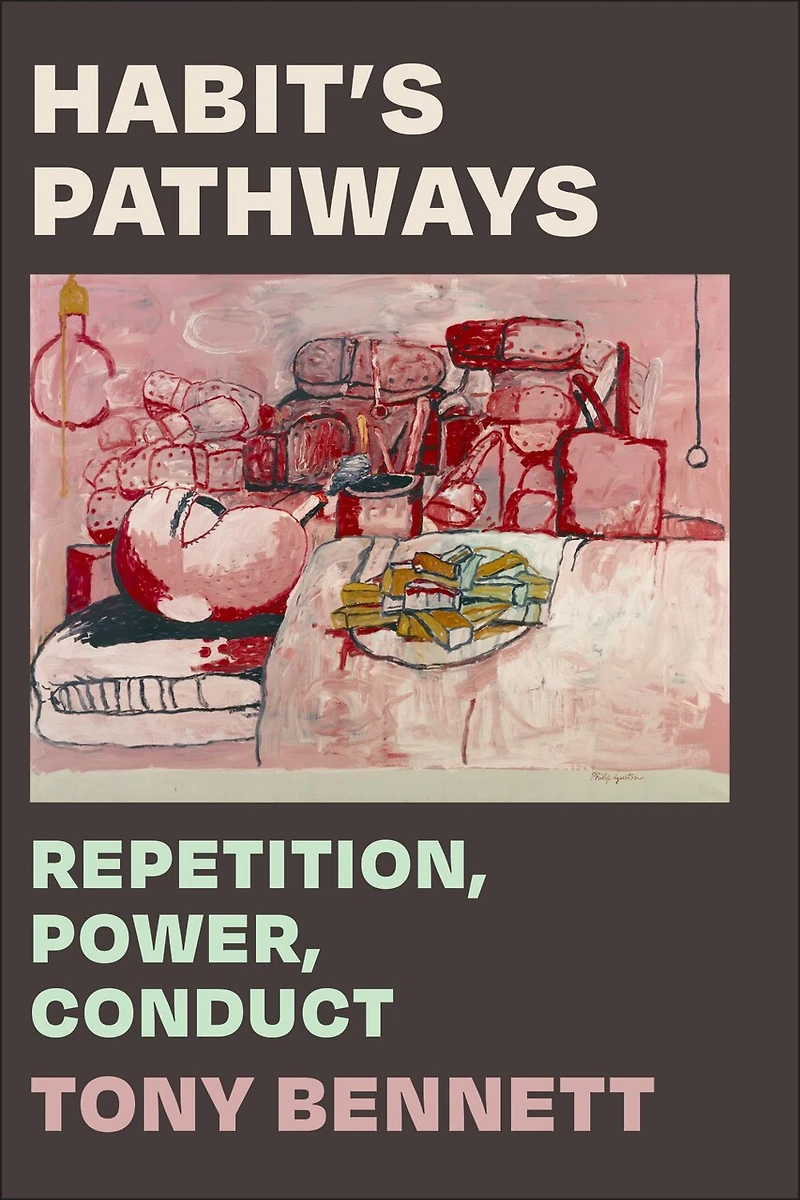
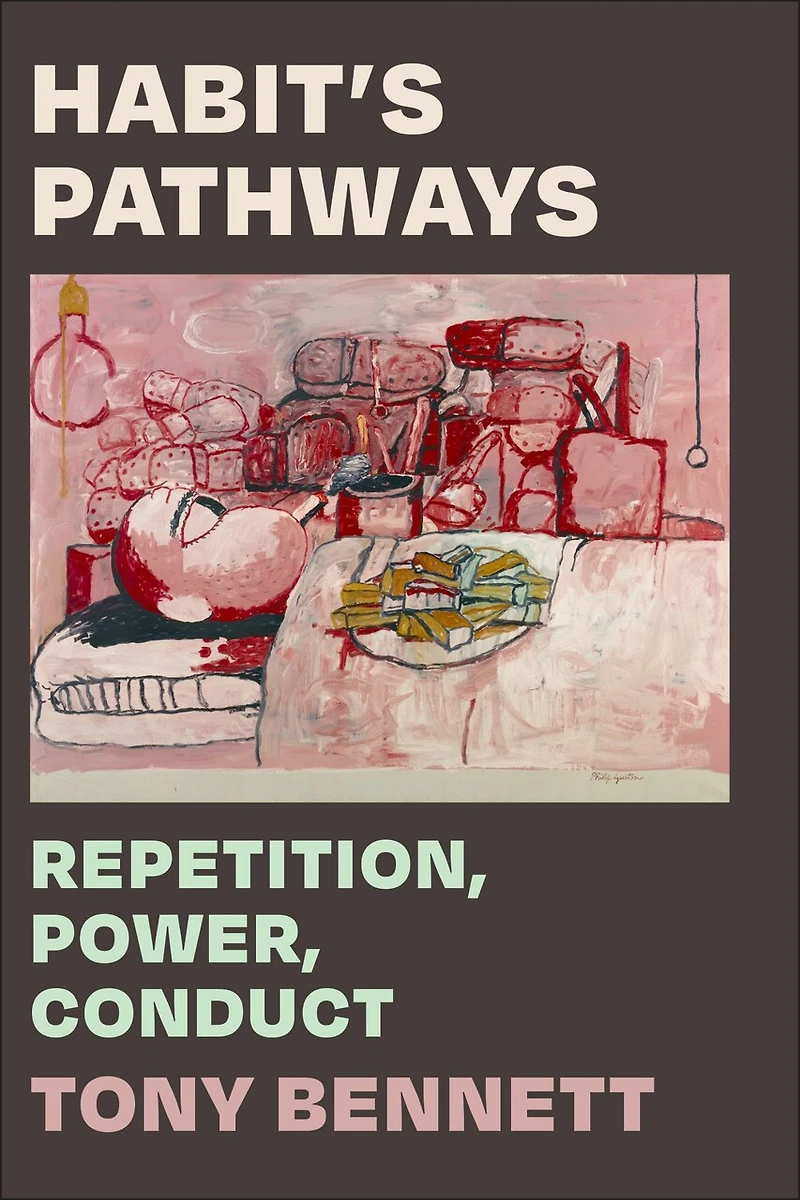
Habit's Pathways: Repetition, Power, Conduct
Current price: $136.95

Habit's Pathways: Repetition, Power, Conduct
Current price: $136.95
Loading Inventory...
Size: Hardcover
*Product information may vary - to confirm product availability, pricing, shipping and return information please contact Indigo
Habit has long preoccupied a wide range of theologians, philosophers, sociologists, psychologists, and neuroscientists. In Habit's Pathways Tony Bennett explores the political consequences of the varied ways in which habit's repetitions have been acted on to guide or direct conduct. Bennett considers habit's uses and effects across the monastic regimens of medieval Europe, in plantation slavery and the factory system, through colonial forms of rule, and within a range of medicalized pathologies. He brings these episodes in habit's political histories to bear on contemporary debates ranging from its role in relation to the politics of white supremacy to the digital harvesting of habits in practices of algorithmic governance. Throughout, Bennett tracks how habit's repetitions have been articulated differently across divisions of class, race, and gender, demonstrating that although habit serves as an apparatus for achieving success, self-fulfillment, and freedom for the powerful, it has simultaneously served as a means of control over women, racialized peoples, and subordinate classes.
Habit has long preoccupied a wide range of theologians, philosophers, sociologists, psychologists, and neuroscientists. In Habit's Pathways Tony Bennett explores the political consequences of the varied ways in which habit's repetitions have been acted on to guide or direct conduct. Bennett considers habit's uses and effects across the monastic regimens of medieval Europe, in plantation slavery and the factory system, through colonial forms of rule, and within a range of medicalized pathologies. He brings these episodes in habit's political histories to bear on contemporary debates ranging from its role in relation to the politics of white supremacy to the digital harvesting of habits in practices of algorithmic governance. Throughout, Bennett tracks how habit's repetitions have been articulated differently across divisions of class, race, and gender, demonstrating that although habit serves as an apparatus for achieving success, self-fulfillment, and freedom for the powerful, it has simultaneously served as a means of control over women, racialized peoples, and subordinate classes.
You May Also Like










More About Indigo at Erin Mills Town Centre
The largest book retailer in Canada also offers toys, music, home décor, gifts and lifestyle products. What's Inside...Books, Magazines, CD’s and DVD’s, Toys and Gifts, Home Accents, Electronics, Baby’s and Children’s Section, Bath and Body, Kitchen and Bedroom, Stationary Located outside in the exterior plaza.
5015 Glen Erin Dr, Mississauga, ON L5M 0R7, Canada
Find Indigo at Erin Mills Town Centre in Mississauga ON
Visit Indigo at Erin Mills Town Centre in Mississauga ON