

GIVE THE PERFECT GIFT
Erin Mills Town Centre Gift Cards are the perfect choice for your gift giving needs.Purchase gift cards at kiosks near the food court or centre court, at Guest Services, or click below to purchase online.PURCHASE HEREHome
Haiti and the Revolution Unseen: Persistence of Decolonial Imagination
Indigo
Loading Inventory...
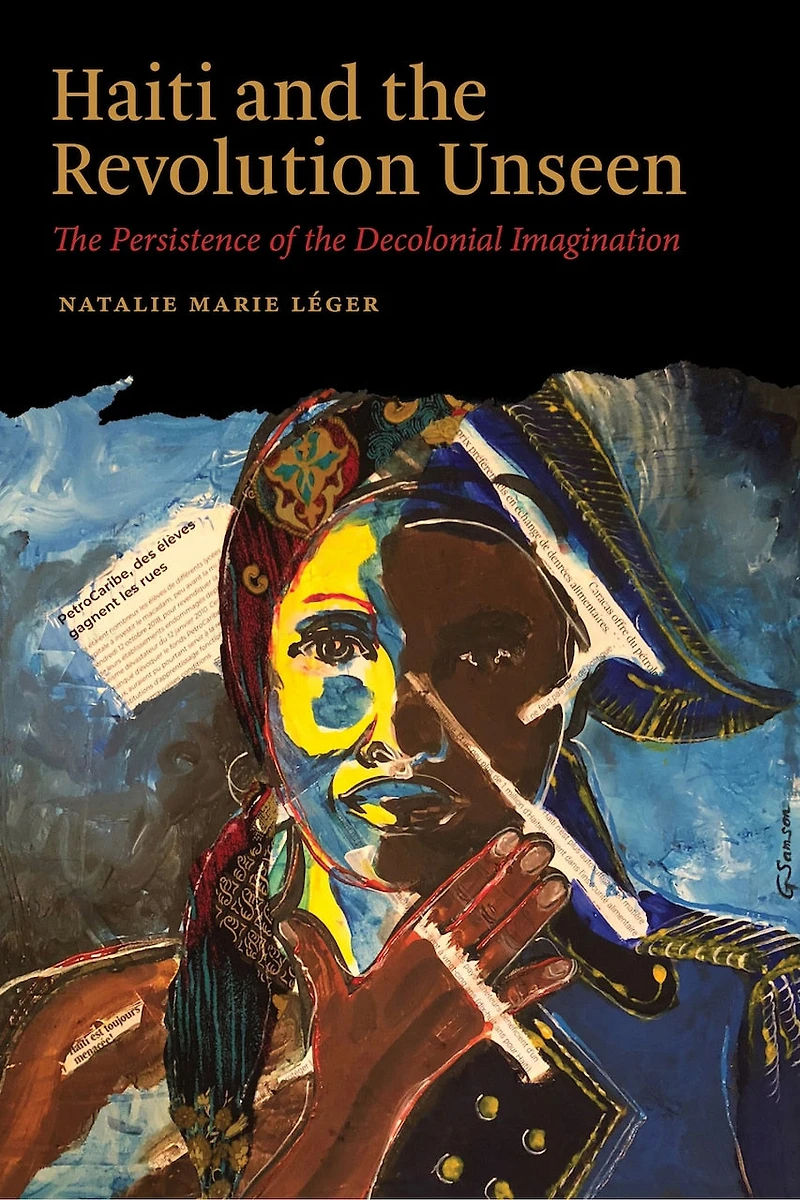
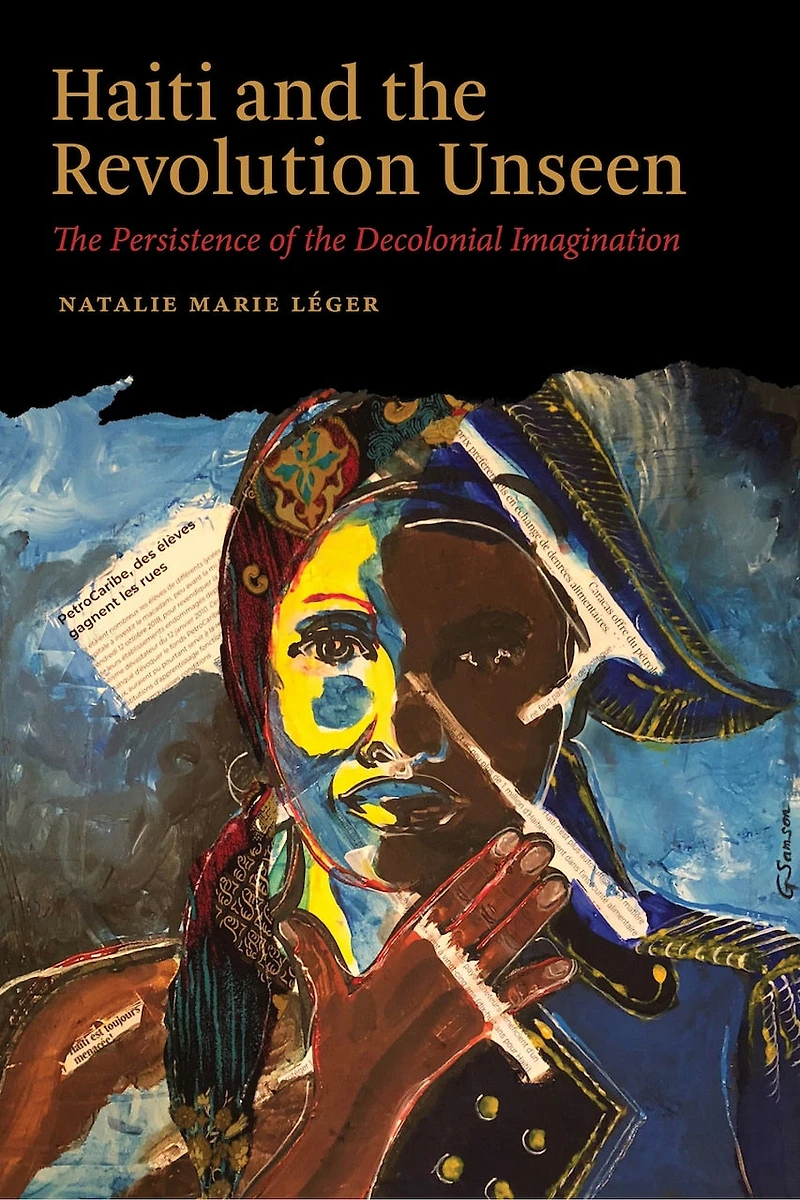
Haiti and the Revolution Unseen: Persistence of Decolonial Imagination
Current price: $134.95

Haiti and the Revolution Unseen: Persistence of Decolonial Imagination
Current price: $134.95
Loading Inventory...
Size: Hardcover
*Product information may vary - to confirm product availability, pricing, shipping and return information please contact Indigo
With Haiti and the Revolution Unseen , Natalie Marie Lger alters the genealogy of the Haitian revolutionary subject in the archive of Caribbean cultural thought and shifts our attention to the revolutionists previously left out of the archive: Saint Domingue's Africanized captives. She posits that canonical Caribbean writers of the Haitian Revolution (1791-1804), like C. L. R. James, Aim Csaire, Alejo Carpentier, and douard Glissant, ignore the conditions of difference that inspired the captive populace's dreams of freedom from French colonial rule. These authors replicate the forms of colonial power that they sought to vilify with their Haitian revolutionist texts because they excise the African Haitian revolutionist from the story of the Revolution. Despite the fact that two-thirds of the enslaved population were African born on the eve of the Revolution, canonized Caribbean literature of the Revolution writes the Haitian revolutionist as acculturated into the West. The absence of African Haitian revolutionists results in narratives that do not see Haitian ideas about Haiti and the Haitian Revolution. They are the stories of a Haiti and the Haitian Revolution unseen.
Lger writes against a Haiti- and Haitians-less idea of the Revolution. She asks scholars and artists of the Revolution to know Haitians as Ginens (African Haitians) and Haiti as Ayiti Ginen (Africa Haiti). This form of knowing demands a decolonial understanding of the Haitian Revolution and a reevaluation of its stories as told by influential twentieth-century Caribbean writers. The story she tells showcases the immense political impact of the African Haitian revolutionist's philosophies of freedom in Saint Domingue and Haiti thereafter; and she argues that the absence of these philosophies in Caribbean classics of the Revolution demands consideration of why these classics continue to shape how the Revolution and Haiti are discussed in Caribbean Studies, Black Studies, Postcolonial Studies and Haitian Studies. More pressingly, Lger calls on artists and scholars of the Revolution to be mindful of how Haiti and Haitians are figured in narratives of the Revolution. The immense space Haiti holds in Caribbean imaginings of freedom and revolution makes mediating it, its Revolution, and peoples through a prejudiced gaze that serves the West hugely problematic, since a denigrated Haiti yields stunted visions of the Caribbean's future. These conditions require attention to the pervasive presence of colonial paradigms for being in classic literatures of the Revolution and the way they undermine the generative manner Caribbean writers have used Haiti to think through their past, present, and future.
With Haiti and the Revolution Unseen , Natalie Marie Lger alters the genealogy of the Haitian revolutionary subject in the archive of Caribbean cultural thought and shifts our attention to the revolutionists previously left out of the archive: Saint Domingue's Africanized captives. She posits that canonical Caribbean writers of the Haitian Revolution (1791-1804), like C. L. R. James, Aim Csaire, Alejo Carpentier, and douard Glissant, ignore the conditions of difference that inspired the captive populace's dreams of freedom from French colonial rule. These authors replicate the forms of colonial power that they sought to vilify with their Haitian revolutionist texts because they excise the African Haitian revolutionist from the story of the Revolution. Despite the fact that two-thirds of the enslaved population were African born on the eve of the Revolution, canonized Caribbean literature of the Revolution writes the Haitian revolutionist as acculturated into the West. The absence of African Haitian revolutionists results in narratives that do not see Haitian ideas about Haiti and the Haitian Revolution. They are the stories of a Haiti and the Haitian Revolution unseen.
Lger writes against a Haiti- and Haitians-less idea of the Revolution. She asks scholars and artists of the Revolution to know Haitians as Ginens (African Haitians) and Haiti as Ayiti Ginen (Africa Haiti). This form of knowing demands a decolonial understanding of the Haitian Revolution and a reevaluation of its stories as told by influential twentieth-century Caribbean writers. The story she tells showcases the immense political impact of the African Haitian revolutionist's philosophies of freedom in Saint Domingue and Haiti thereafter; and she argues that the absence of these philosophies in Caribbean classics of the Revolution demands consideration of why these classics continue to shape how the Revolution and Haiti are discussed in Caribbean Studies, Black Studies, Postcolonial Studies and Haitian Studies. More pressingly, Lger calls on artists and scholars of the Revolution to be mindful of how Haiti and Haitians are figured in narratives of the Revolution. The immense space Haiti holds in Caribbean imaginings of freedom and revolution makes mediating it, its Revolution, and peoples through a prejudiced gaze that serves the West hugely problematic, since a denigrated Haiti yields stunted visions of the Caribbean's future. These conditions require attention to the pervasive presence of colonial paradigms for being in classic literatures of the Revolution and the way they undermine the generative manner Caribbean writers have used Haiti to think through their past, present, and future.
You May Also Like












More About Indigo at Erin Mills Town Centre
The largest book retailer in Canada also offers toys, music, home décor, gifts and lifestyle products. What's Inside...Books, Magazines, CD’s and DVD’s, Toys and Gifts, Home Accents, Electronics, Baby’s and Children’s Section, Bath and Body, Kitchen and Bedroom, Stationary Located outside in the exterior plaza.
5015 Glen Erin Dr, Mississauga, ON L5M 0R7, Canada
Find Indigo at Erin Mills Town Centre in Mississauga ON
Visit Indigo at Erin Mills Town Centre in Mississauga ON