

GIVE THE PERFECT GIFT
Erin Mills Town Centre Gift Cards are the perfect choice for your gift giving needs.Purchase gift cards at kiosks near the food court or centre court, at Guest Services, or click below to purchase online.PURCHASE HEREHome
Harmful and Undesirable: Book Censorship Nazi Germany
Indigo
Loading Inventory...
Harmful and Undesirable: Book Censorship Nazi Germany
Current price: $23.19
Original price: $28.99

Harmful and Undesirable: Book Censorship Nazi Germany
Current price: $23.19
Original price: $28.99
Loading Inventory...
Size: Kobo eBook
*Product information may vary - to confirm product availability, pricing, shipping and return information please contact Indigo
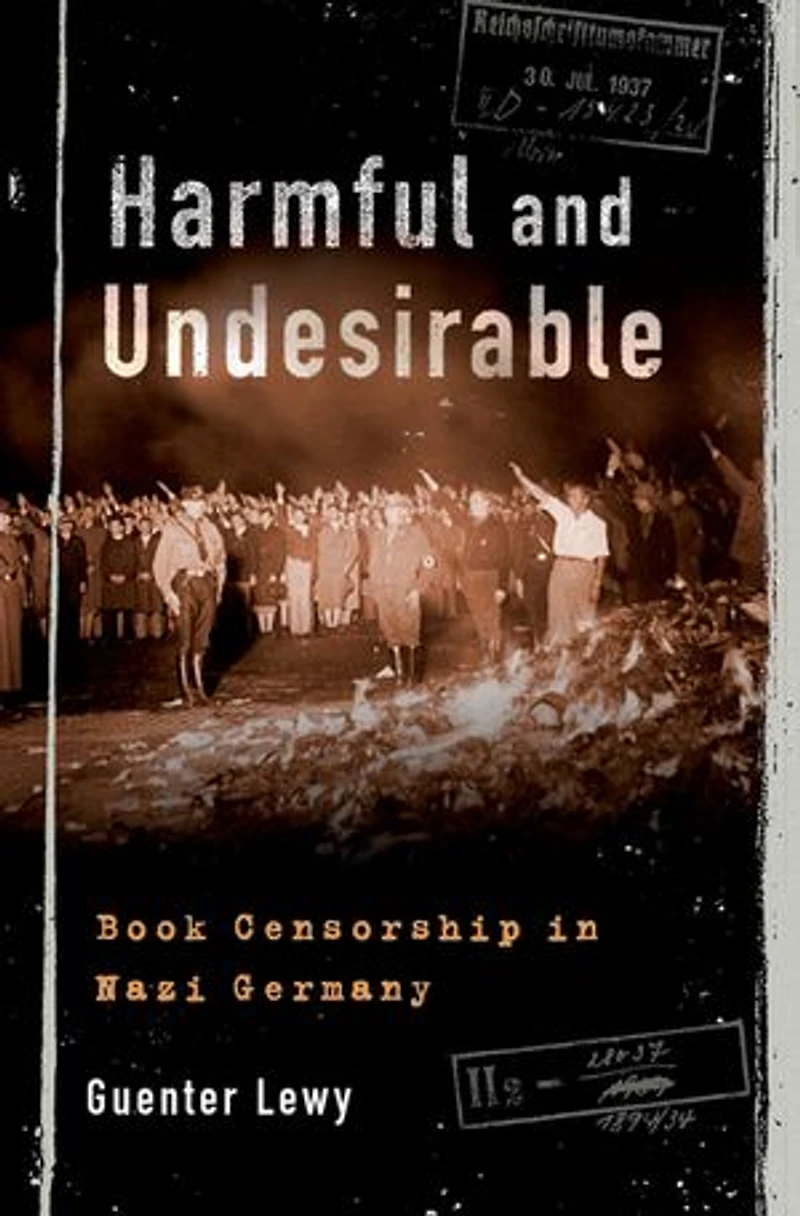
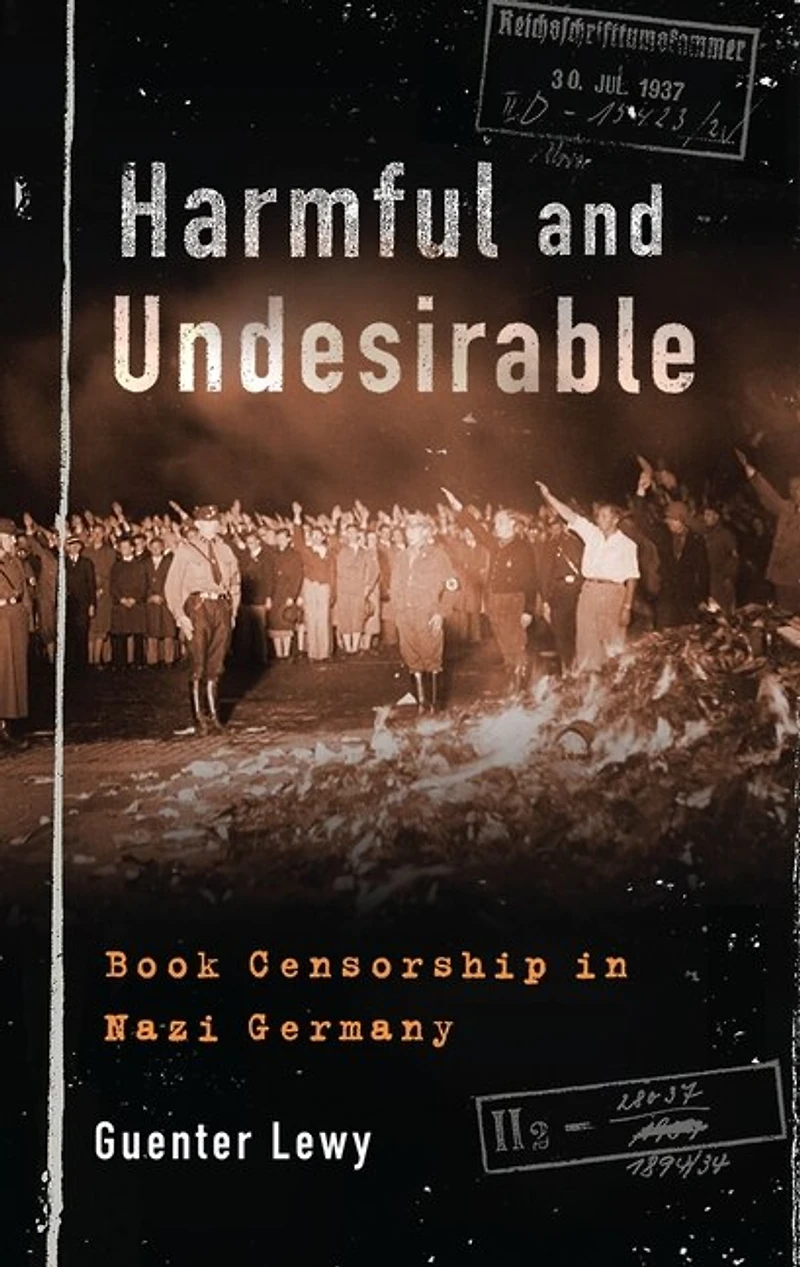
Like every totalitarian regime, Nazi Germany tried to control intellectual freedom through book censorship.
Between 1933 and 1945, the Hitler regime orchestrated a massive campaign to take control of all forms of communication. In 1933 alone, there were 90 book burnings across 70 German cities, declared by a Ministry of Propaganda official to be "a symbol of the revolution." In later years, the regime used less violent means of domination, pillaging bookstores and libraries, in addition to prosecuting uncooperative publishers and dissident authors. Guenter Lewy deftly analyzes the various strategies that the Nazis employed to enact censorship and the government officials who led the attack on a free intellectual life. Harmful and Undesirable paints a fascinating portrait of intellectual life under Nazi dictatorship, detailing the dismal fate of those who were caught in the wheels of censorship.
Like every totalitarian regime, Nazi Germany tried to control intellectual freedom through book censorship.
Between 1933 and 1945, the Hitler regime orchestrated a massive campaign to take control of all forms of communication. In 1933 alone, there were 90 book burnings across 70 German cities, declared by a Ministry of Propaganda official to be "a symbol of the revolution." In later years, the regime used less violent means of domination, pillaging bookstores and libraries, in addition to prosecuting uncooperative publishers and dissident authors. Guenter Lewy deftly analyzes the various strategies that the Nazis employed to enact censorship and the government officials who led the attack on a free intellectual life. Harmful and Undesirable paints a fascinating portrait of intellectual life under Nazi dictatorship, detailing the dismal fate of those who were caught in the wheels of censorship.
You May Also Like













More About Indigo at Erin Mills Town Centre
The largest book retailer in Canada also offers toys, music, home décor, gifts and lifestyle products. What's Inside...Books, Magazines, CD’s and DVD’s, Toys and Gifts, Home Accents, Electronics, Baby’s and Children’s Section, Bath and Body, Kitchen and Bedroom, Stationary Located outside in the exterior plaza.
5015 Glen Erin Dr, Mississauga, ON L5M 0R7, Canada
Find Indigo at Erin Mills Town Centre in Mississauga ON
Visit Indigo at Erin Mills Town Centre in Mississauga ON