

GIVE THE PERFECT GIFT
Erin Mills Town Centre Gift Cards are the perfect choice for your gift giving needs.Purchase gift cards at kiosks near the food court or centre court, at Guest Services, or click below to purchase online.PURCHASE HEREHome
Hate Speech Is Not Free: The Case Against First Amendment Protection
Indigo
Loading Inventory...
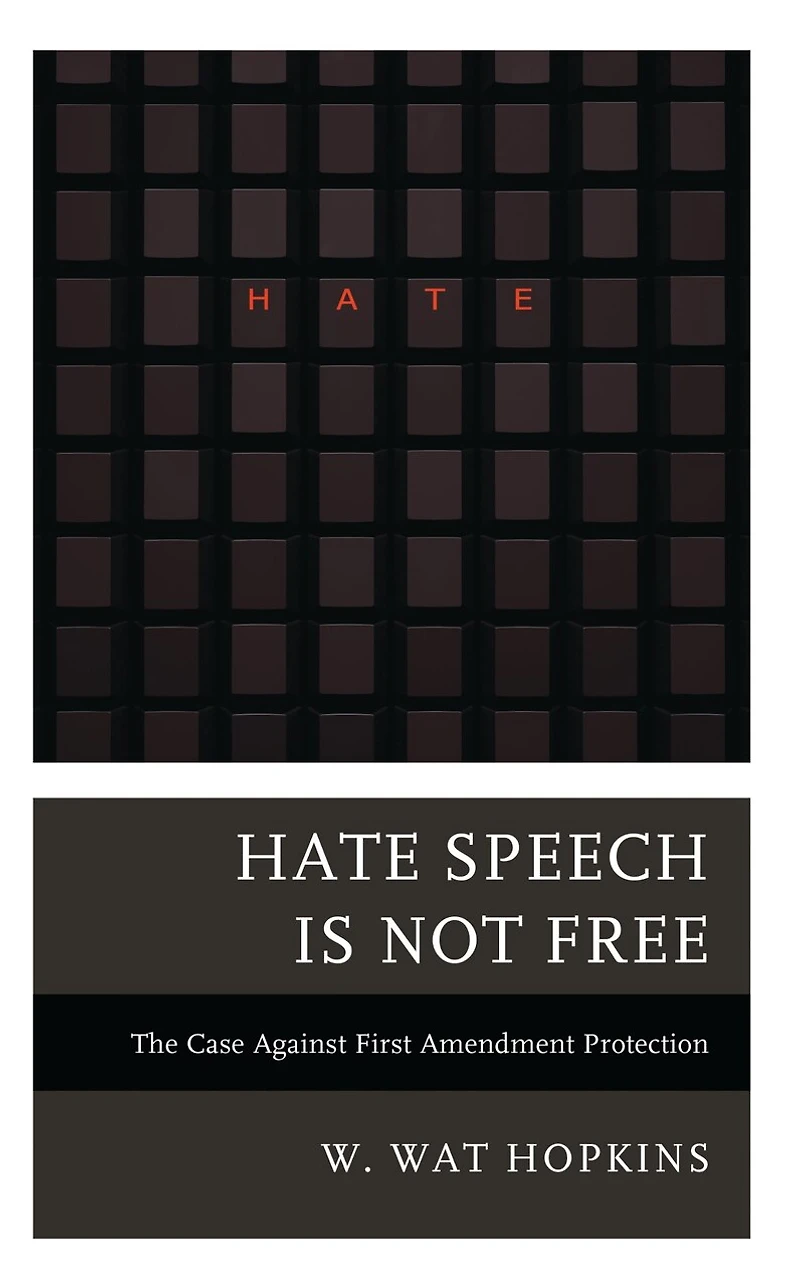
Hate Speech Is Not Free: The Case Against First Amendment Protection
Current price: $146.50

Hate Speech Is Not Free: The Case Against First Amendment Protection
Current price: $146.50
Loading Inventory...
Size: Hardcover
*Product information may vary - to confirm product availability, pricing, shipping and return information please contact Indigo
Hate speech has been a societal problem for many years and has seen a resurgence recently alongside political divisiveness and technologies that ease and accelerate the spread of messages. Methods to protect individuals and groups from hate speech have eluded lawmakers as the call for restrictions or bans on such speech are confronted by claims of First Amendment protection. Problematic speech, the argument goes, should be confronted by more speech rather than by restriction. Debate over the extent of First Amendment protection is based on two bodies of law-the practical, precedent determined by the Supreme Court, and the theoretical framework of First Amendment jurisprudence. In Hate Speech is Not Free: The Case Against Constitutional Protection , W. Wat Hopkins argues that the prevailing thought that hate is protected by both case law and theory is incorrect. Within the Supreme Court's established hierarchy of speech protection, hate speech falls to the lowest level, deserving no protection as it does not advance ideas containing social value. Ultimately, the Supreme Court's cases addressing protected and unprotected speech set forth a clear rationale for excommunicating hate speech from First Amendment protection.
Hate speech has been a societal problem for many years and has seen a resurgence recently alongside political divisiveness and technologies that ease and accelerate the spread of messages. Methods to protect individuals and groups from hate speech have eluded lawmakers as the call for restrictions or bans on such speech are confronted by claims of First Amendment protection. Problematic speech, the argument goes, should be confronted by more speech rather than by restriction. Debate over the extent of First Amendment protection is based on two bodies of law-the practical, precedent determined by the Supreme Court, and the theoretical framework of First Amendment jurisprudence. In Hate Speech is Not Free: The Case Against Constitutional Protection , W. Wat Hopkins argues that the prevailing thought that hate is protected by both case law and theory is incorrect. Within the Supreme Court's established hierarchy of speech protection, hate speech falls to the lowest level, deserving no protection as it does not advance ideas containing social value. Ultimately, the Supreme Court's cases addressing protected and unprotected speech set forth a clear rationale for excommunicating hate speech from First Amendment protection.
You May Also Like













More About Indigo at Erin Mills Town Centre
The largest book retailer in Canada also offers toys, music, home décor, gifts and lifestyle products. What's Inside...Books, Magazines, CD’s and DVD’s, Toys and Gifts, Home Accents, Electronics, Baby’s and Children’s Section, Bath and Body, Kitchen and Bedroom, Stationary Located outside in the exterior plaza.
5015 Glen Erin Dr, Mississauga, ON L5M 0R7, Canada
Find Indigo at Erin Mills Town Centre in Mississauga ON
Visit Indigo at Erin Mills Town Centre in Mississauga ON