

GIVE THE PERFECT GIFT
Erin Mills Town Centre Gift Cards are the perfect choice for your gift giving needs.Purchase gift cards at kiosks near the food court or centre court, at Guest Services, or click below to purchase online.PURCHASE HEREHome
Hedwig Conrad-Martius: The Phenomenological Gateway to Reality
Indigo
Loading Inventory...
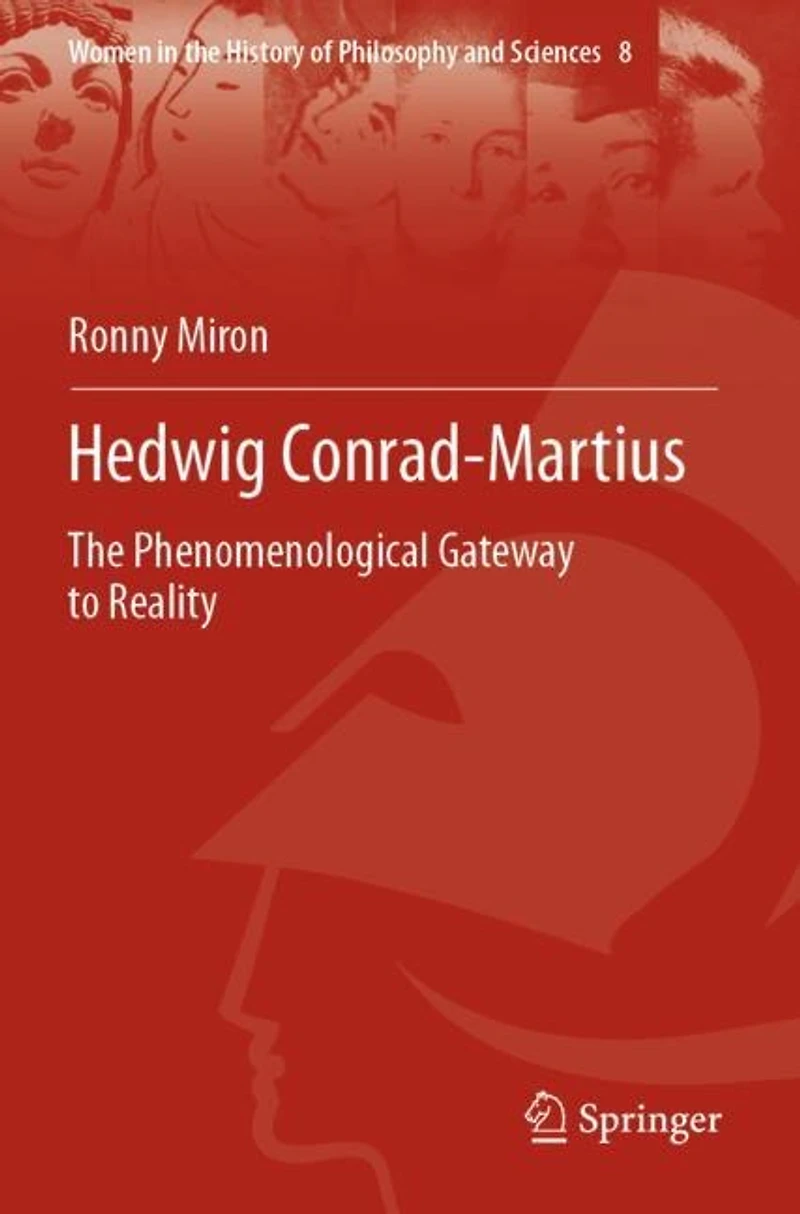
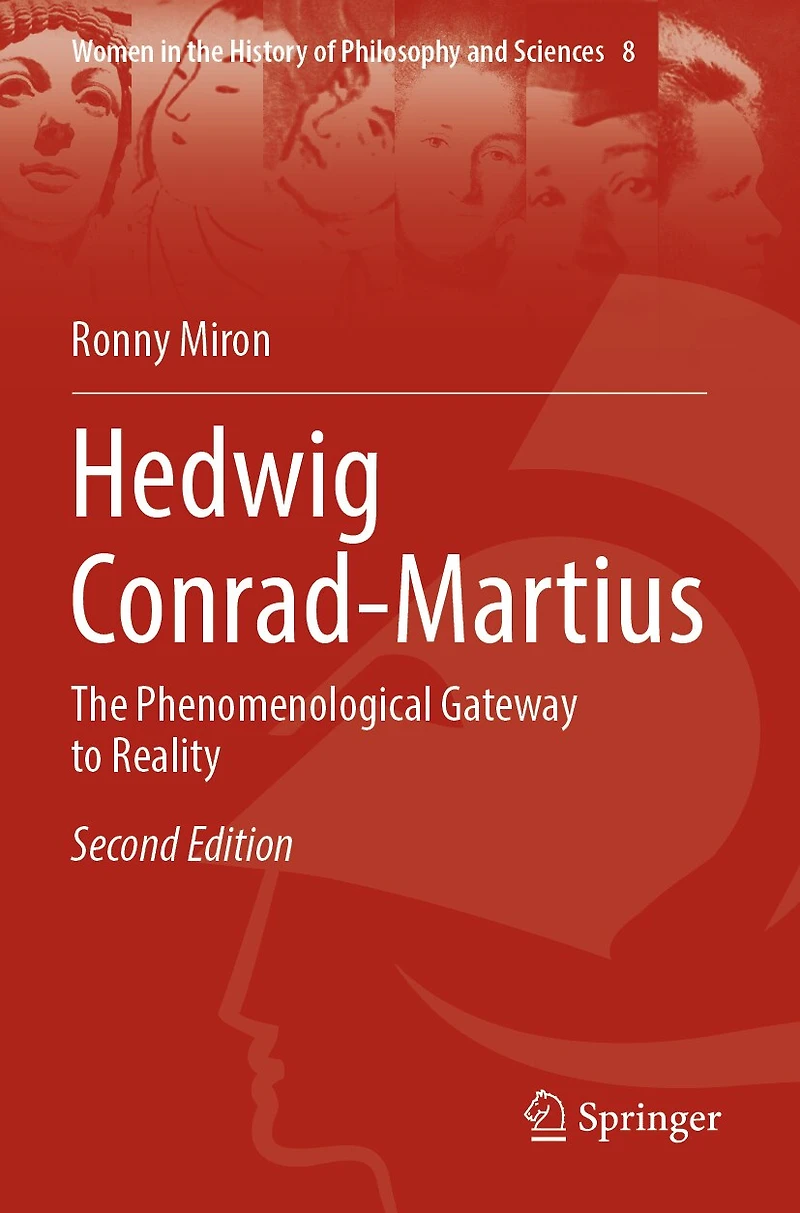
Hedwig Conrad-Martius: The Phenomenological Gateway to Reality
Current price: $189.95

Hedwig Conrad-Martius: The Phenomenological Gateway to Reality
Current price: $189.95
Loading Inventory...
Size: Paperback (2024 A)
*Product information may vary - to confirm product availability, pricing, shipping and return information please contact Indigo
This volume, the first of its kind written in English, interprets the realistic-phenomenological philosophy of Hedwig Conrad-Martius (1888-1966). She was a prominent figure in the Munich-Göttingen Circle, the first generation of phenomenology after Edmund Husserl (1859-1938), and was known as the "first lady of German philosophy". The articles included in this collection deal with the two main themes constituting her realistic-metaphysical phenomenology: Being and the I. In addition, the collection includes a comprehensive Preface that describes the personal background and the social and philosophical contexts behind Conrad-Martius's thought, with an emphasis on the mutual influence and fertilization of the group of early phenomenologists in the Munich-Göttingen Circle. The book will be of interest to scholars of philosophy and educated readers.
This volume, the first of its kind written in English, interprets the realistic-phenomenological philosophy of Hedwig Conrad-Martius (1888-1966). She was a prominent figure in the Munich-Göttingen Circle, the first generation of phenomenology after Edmund Husserl (1859-1938), and was known as the "first lady of German philosophy". The articles included in this collection deal with the two main themes constituting her realistic-metaphysical phenomenology: Being and the I. In addition, the collection includes a comprehensive Preface that describes the personal background and the social and philosophical contexts behind Conrad-Martius's thought, with an emphasis on the mutual influence and fertilization of the group of early phenomenologists in the Munich-Göttingen Circle. The book will be of interest to scholars of philosophy and educated readers.
You May Also Like












More About Indigo at Erin Mills Town Centre
The largest book retailer in Canada also offers toys, music, home décor, gifts and lifestyle products. What's Inside...Books, Magazines, CD’s and DVD’s, Toys and Gifts, Home Accents, Electronics, Baby’s and Children’s Section, Bath and Body, Kitchen and Bedroom, Stationary Located outside in the exterior plaza.
5015 Glen Erin Dr, Mississauga, ON L5M 0R7, Canada
Find Indigo at Erin Mills Town Centre in Mississauga ON
Visit Indigo at Erin Mills Town Centre in Mississauga ON