

GIVE THE PERFECT GIFT
Erin Mills Town Centre Gift Cards are the perfect choice for your gift giving needs.Purchase gift cards at kiosks near the food court or centre court, at Guest Services, or click below to purchase online.PURCHASE HEREHome
Heidegger and Deleuze: The Groundwork of Evental Ontology
Indigo
Loading Inventory...
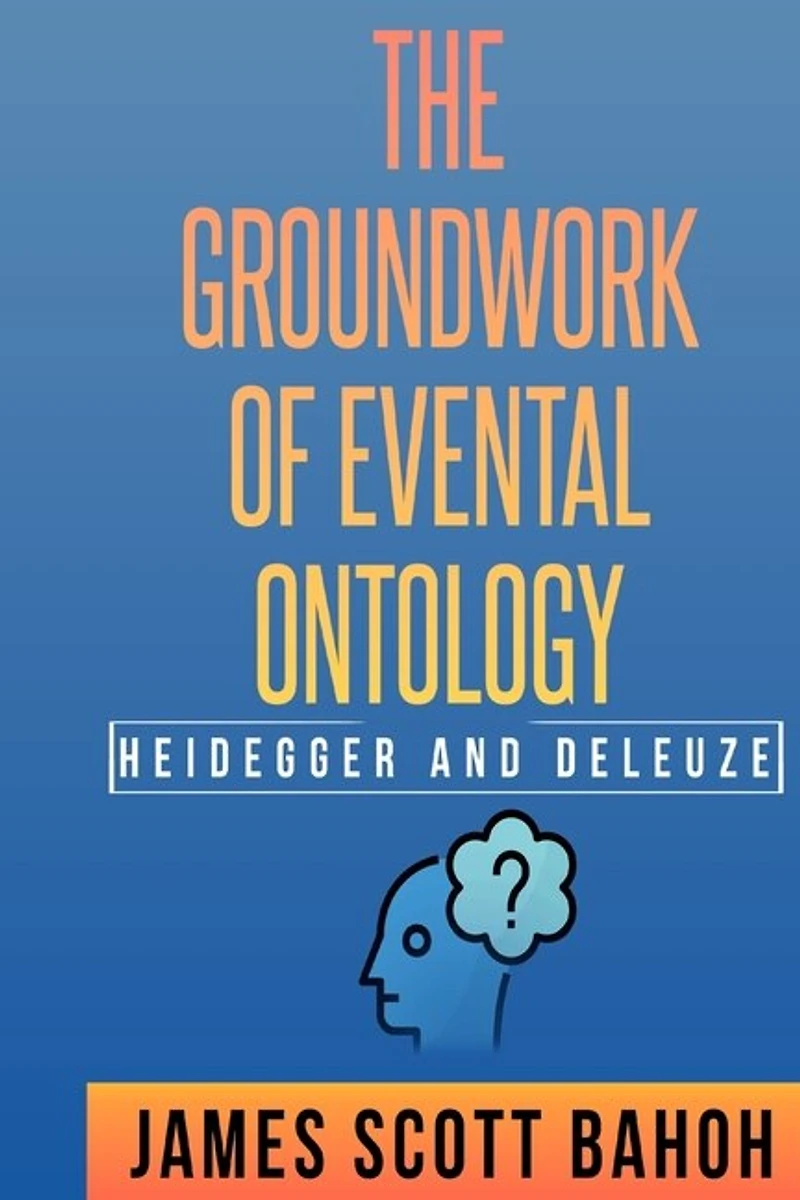
Heidegger and Deleuze: The Groundwork of Evental Ontology
Current price: $114.99

Heidegger and Deleuze: The Groundwork of Evental Ontology
Current price: $114.99
Loading Inventory...
Size: Paperback
*Product information may vary - to confirm product availability, pricing, shipping and return information please contact Indigo
Throughout the history of Western philosophy, events have most often been assigned a secondary or derivative status with respect to substances or subjects, which are taken to underwrite them. An event, for instance, is understood to be a modification of the attributes of a substance. Linguistically, this framework is replicated in our grammar: a sentence begins with a subject and a predicate, while an event is represented as a change in predicate. However, since the 1930s, a number of philosophers have argued that no ontology can be sufficient without assigning events a primary, fundamental, and ontologically positive status in their own right.1 Remarkably, many have further argued that no ontology can be sufficient without assigning being an evental nature itself.2 In other words, they have advanced what I will call "evental ontologies." Many of the central texts arguing for evental ontologies are exceptionally difficult to interpret, and this is often a result of the way their arguments undermine the technical vocabulary of the tradition and its grammar built around subject predication. As a consequence, the reasons for taking such a position are frequently glossed over in relevant scholarship, which opts for either uncritical adoption of the terminology of evental ontologies or the dismissal of them on the grounds of their conceptual obscurity and seeming contrivance.
Throughout the history of Western philosophy, events have most often been assigned a secondary or derivative status with respect to substances or subjects, which are taken to underwrite them. An event, for instance, is understood to be a modification of the attributes of a substance. Linguistically, this framework is replicated in our grammar: a sentence begins with a subject and a predicate, while an event is represented as a change in predicate. However, since the 1930s, a number of philosophers have argued that no ontology can be sufficient without assigning events a primary, fundamental, and ontologically positive status in their own right.1 Remarkably, many have further argued that no ontology can be sufficient without assigning being an evental nature itself.2 In other words, they have advanced what I will call "evental ontologies." Many of the central texts arguing for evental ontologies are exceptionally difficult to interpret, and this is often a result of the way their arguments undermine the technical vocabulary of the tradition and its grammar built around subject predication. As a consequence, the reasons for taking such a position are frequently glossed over in relevant scholarship, which opts for either uncritical adoption of the terminology of evental ontologies or the dismissal of them on the grounds of their conceptual obscurity and seeming contrivance.
You May Also Like







More About Indigo at Erin Mills Town Centre
The largest book retailer in Canada also offers toys, music, home décor, gifts and lifestyle products. What's Inside...Books, Magazines, CD’s and DVD’s, Toys and Gifts, Home Accents, Electronics, Baby’s and Children’s Section, Bath and Body, Kitchen and Bedroom, Stationary Located outside in the exterior plaza.
5015 Glen Erin Dr, Mississauga, ON L5M 0R7, Canada
Find Indigo at Erin Mills Town Centre in Mississauga ON
Visit Indigo at Erin Mills Town Centre in Mississauga ON