

GIVE THE PERFECT GIFT
Erin Mills Town Centre Gift Cards are the perfect choice for your gift giving needs.Purchase gift cards at kiosks near the food court or centre court, at Guest Services, or click below to purchase online.PURCHASE HEREHome
Heinrich Campendonk
Indigo
Loading Inventory...
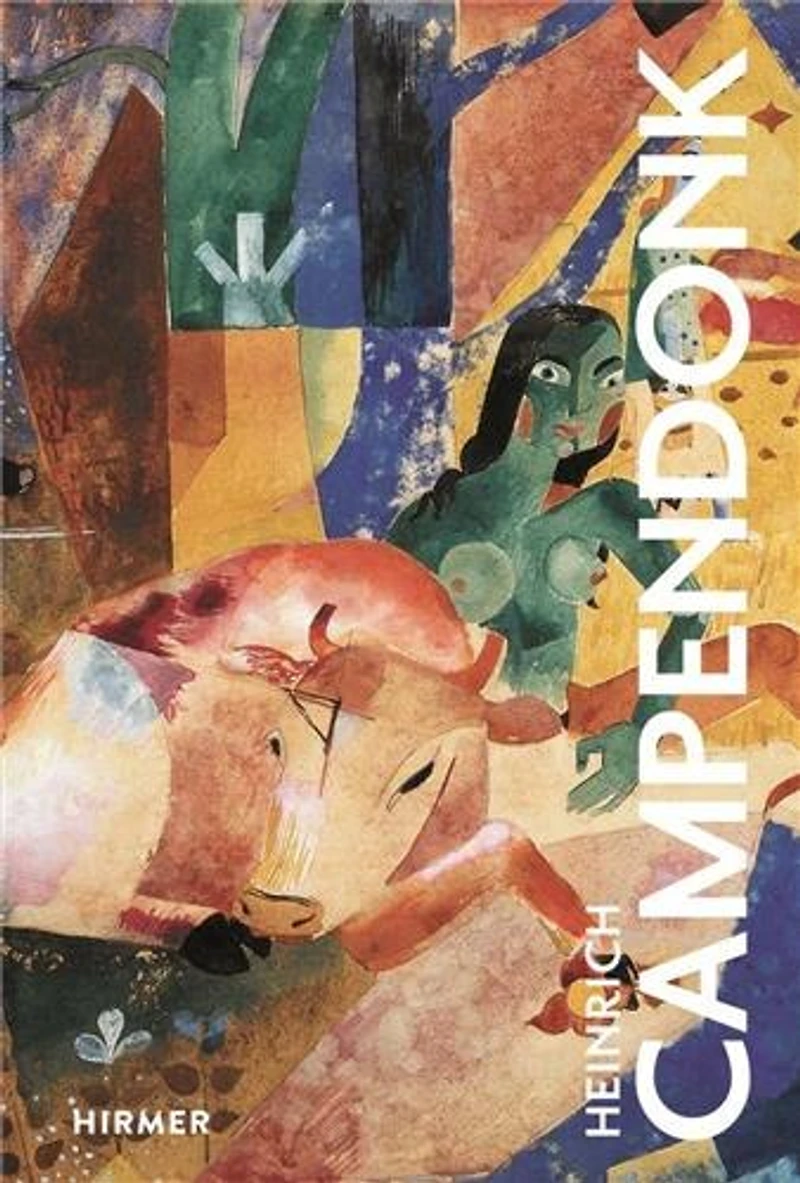
Heinrich Campendonk
Current price: $19.50

Heinrich Campendonk
Current price: $19.50
Loading Inventory...
Size: Hardcover
*Product information may vary - to confirm product availability, pricing, shipping and return information please contact Indigo
An enlightening study of an underappreciated artist affiliated with Der Blaue Reiter.
The 1921 edition of the Jahrbuch der jungen Kunst describes the early work of German-born artist Heinrich Campendonk (1889–1957) as a symphony of color and rhythm. Just a few years later, the Nazi regime defamed his art as “degenerate,” driving him into exile in the Netherlands. In this book, Gisela Geiger reveals Campendonk to be one the most fascinating artists of the last century, vividly evoking the interplay between his aesthetic development and his personal biography.
Predominantly a painter and printmaker, Campendonk’s art often depicted idyllic scenes of nature and people. The youngest member of the Blaue Reiter group, a network of groundbreaking modern artists, he was long overshadowed by affiliated figures such as Wassily Kandinsky, Paul Klee, August Macke, and Franz Marc. In recent years, however, Campendonk has been rediscovered by art critics interested in his extensive oeuvre, and Geiger’s study introduces his work to admirers old and new.
An enlightening study of an underappreciated artist affiliated with Der Blaue Reiter.
The 1921 edition of the Jahrbuch der jungen Kunst describes the early work of German-born artist Heinrich Campendonk (1889–1957) as a symphony of color and rhythm. Just a few years later, the Nazi regime defamed his art as “degenerate,” driving him into exile in the Netherlands. In this book, Gisela Geiger reveals Campendonk to be one the most fascinating artists of the last century, vividly evoking the interplay between his aesthetic development and his personal biography.
Predominantly a painter and printmaker, Campendonk’s art often depicted idyllic scenes of nature and people. The youngest member of the Blaue Reiter group, a network of groundbreaking modern artists, he was long overshadowed by affiliated figures such as Wassily Kandinsky, Paul Klee, August Macke, and Franz Marc. In recent years, however, Campendonk has been rediscovered by art critics interested in his extensive oeuvre, and Geiger’s study introduces his work to admirers old and new.
You May Also Like









More About Indigo at Erin Mills Town Centre
The largest book retailer in Canada also offers toys, music, home décor, gifts and lifestyle products. What's Inside...Books, Magazines, CD’s and DVD’s, Toys and Gifts, Home Accents, Electronics, Baby’s and Children’s Section, Bath and Body, Kitchen and Bedroom, Stationary Located outside in the exterior plaza.
5015 Glen Erin Dr, Mississauga, ON L5M 0R7, Canada
Find Indigo at Erin Mills Town Centre in Mississauga ON
Visit Indigo at Erin Mills Town Centre in Mississauga ON