

GIVE THE PERFECT GIFT
Erin Mills Town Centre Gift Cards are the perfect choice for your gift giving needs.Purchase gift cards at kiosks near the food court or centre court, at Guest Services, or click below to purchase online.PURCHASE HEREHome
Herod the Great: Jewish King a Roman World
Indigo
Loading Inventory...
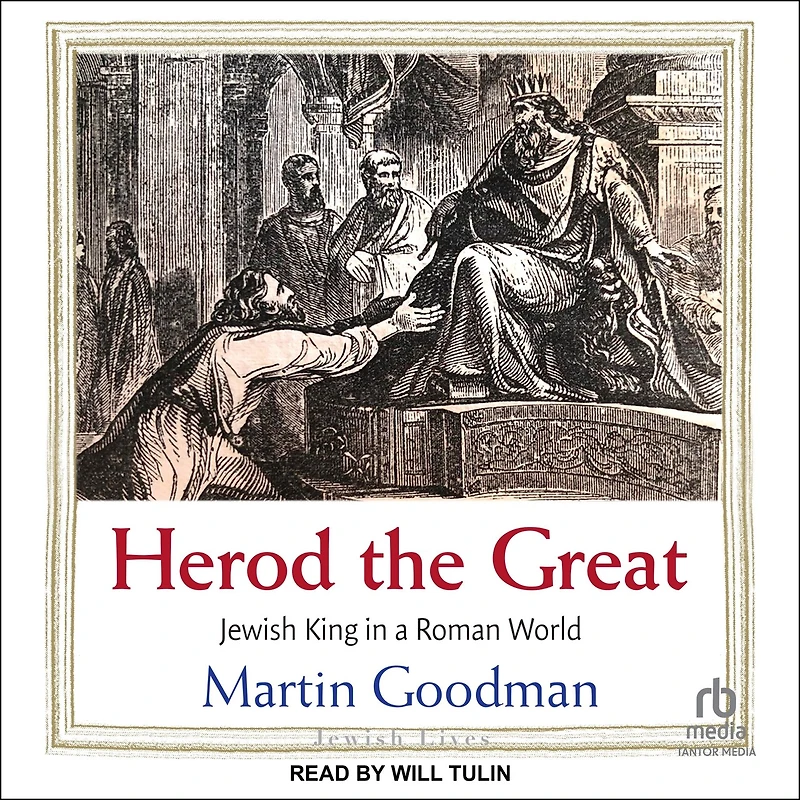
Herod the Great: Jewish King a Roman World
Current price: $51.95

Herod the Great: Jewish King a Roman World
Current price: $51.95
Loading Inventory...
Size: Audiobook (2024 A)
*Product information may vary - to confirm product availability, pricing, shipping and return information please contact Indigo
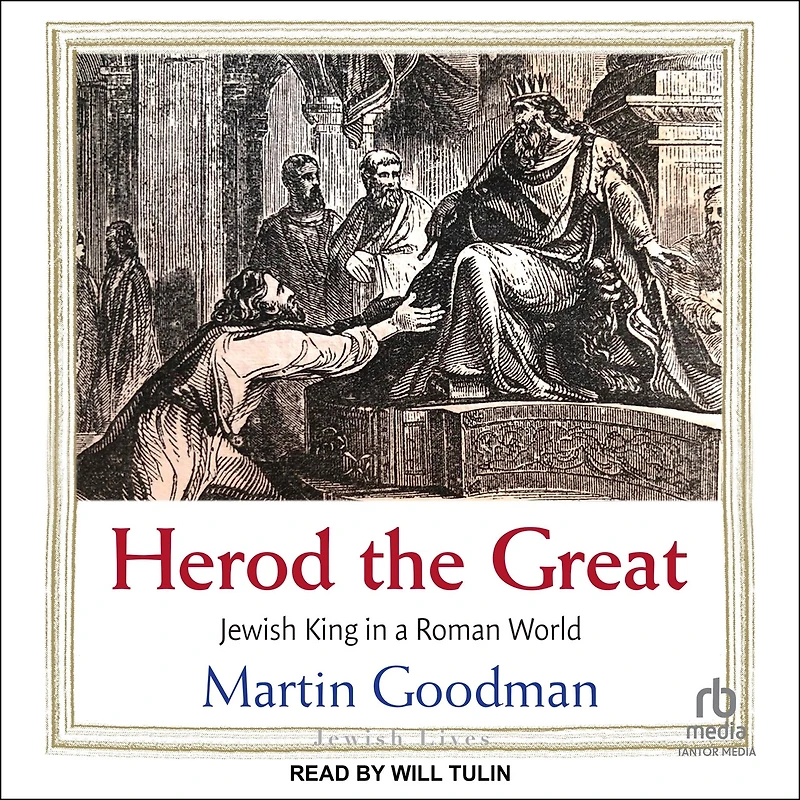
A vivid account of the political triumphs and domestic tragedies of the Jewish king Herod the Great during the turmoil of the Roman revolution Herod the Great (73–4 BCE) was a phenomenally energetic ruler who took advantage of the chaos of the Roman revolution to establish himself as a major figure in a changing Roman world and transform the landscape of Judaea. Both Jews and Christians developed myths about his cruelty and rashness: in Christian tradition he was cast as the tyrant who ordered the Massacre of the Innocents; in the Talmud, despite fond memories of his glorious Temple in Jerusalem, he was recalled as a persecutor of rabbis. The life of Herod is better documented than that of any other Jew from antiquity, and Martin Goodman examines the extensive literary and archaeological evidence to provide a vivid portrait of Herod in his sociopolitical context: his Idumaean origins, his installation by Rome as king of Judaea and cultivation of leading Romans, his massive architectural projects, and his presentation of himself as a Jew, most strikingly through the rebuilding of the Jerusalem Temple. Goodman argues that later stories depicting Herod as a monster derived from public interest in his execution of three of his sons after dramatic public trials foisted on him by a dynastic policy imposed by the Roman emperor.
A vivid account of the political triumphs and domestic tragedies of the Jewish king Herod the Great during the turmoil of the Roman revolution Herod the Great (73–4 BCE) was a phenomenally energetic ruler who took advantage of the chaos of the Roman revolution to establish himself as a major figure in a changing Roman world and transform the landscape of Judaea. Both Jews and Christians developed myths about his cruelty and rashness: in Christian tradition he was cast as the tyrant who ordered the Massacre of the Innocents; in the Talmud, despite fond memories of his glorious Temple in Jerusalem, he was recalled as a persecutor of rabbis. The life of Herod is better documented than that of any other Jew from antiquity, and Martin Goodman examines the extensive literary and archaeological evidence to provide a vivid portrait of Herod in his sociopolitical context: his Idumaean origins, his installation by Rome as king of Judaea and cultivation of leading Romans, his massive architectural projects, and his presentation of himself as a Jew, most strikingly through the rebuilding of the Jerusalem Temple. Goodman argues that later stories depicting Herod as a monster derived from public interest in his execution of three of his sons after dramatic public trials foisted on him by a dynastic policy imposed by the Roman emperor.
You May Also Like









More About Indigo at Erin Mills Town Centre
The largest book retailer in Canada also offers toys, music, home décor, gifts and lifestyle products. What's Inside...Books, Magazines, CD’s and DVD’s, Toys and Gifts, Home Accents, Electronics, Baby’s and Children’s Section, Bath and Body, Kitchen and Bedroom, Stationary Located outside in the exterior plaza.
5015 Glen Erin Dr, Mississauga, ON L5M 0R7, Canada
Find Indigo at Erin Mills Town Centre in Mississauga ON
Visit Indigo at Erin Mills Town Centre in Mississauga ON