

GIVE THE PERFECT GIFT
Erin Mills Town Centre Gift Cards are the perfect choice for your gift giving needs.Purchase gift cards at kiosks near the food court or centre court, at Guest Services, or click below to purchase online.PURCHASE HEREHome
Higher-Order Evidence and Calibrationism
Indigo
Loading Inventory...
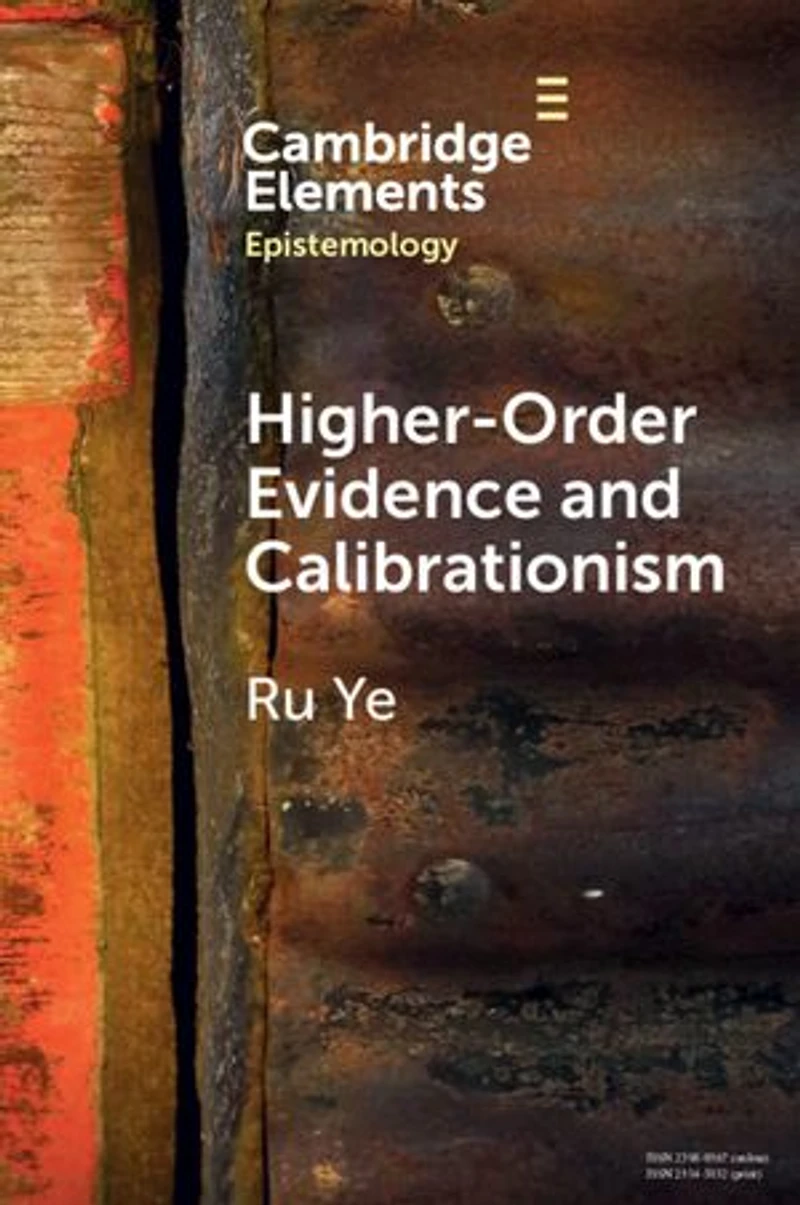
Higher-Order Evidence and Calibrationism
Current price: $23.19
Original price: $28.95

Higher-Order Evidence and Calibrationism
Current price: $23.19
Original price: $28.95
Loading Inventory...
Size: Kobo eBook
*Product information may vary - to confirm product availability, pricing, shipping and return information please contact Indigo
The higher-order evidence debate concerns how higher-order evidence affects the rationality of our first-order beliefs. This Element has two parts. The first part (Sections 1 and 2) provides a critical overview of the literature, aiming to explain why the higher-order evidence debate is interesting and important. The second part (Sections 3 to 6) defends calibrationism, the view that we should respond to higher-order evidence by aligning our credences to our reliability degree. The author first discusses the traditional version of calibrationism and explains its main difficulties, before proposing a new version of calibrationism called 'Evidence-Discounting Calibrationism.' The Element argues that this new version is independently plausible and that it can avoid the difficulties faced by the traditional version.
The higher-order evidence debate concerns how higher-order evidence affects the rationality of our first-order beliefs. This Element has two parts. The first part (Sections 1 and 2) provides a critical overview of the literature, aiming to explain why the higher-order evidence debate is interesting and important. The second part (Sections 3 to 6) defends calibrationism, the view that we should respond to higher-order evidence by aligning our credences to our reliability degree. The author first discusses the traditional version of calibrationism and explains its main difficulties, before proposing a new version of calibrationism called 'Evidence-Discounting Calibrationism.' The Element argues that this new version is independently plausible and that it can avoid the difficulties faced by the traditional version.
You May Also Like








More About Indigo at Erin Mills Town Centre
The largest book retailer in Canada also offers toys, music, home décor, gifts and lifestyle products. What's Inside...Books, Magazines, CD’s and DVD’s, Toys and Gifts, Home Accents, Electronics, Baby’s and Children’s Section, Bath and Body, Kitchen and Bedroom, Stationary Located outside in the exterior plaza.
5015 Glen Erin Dr, Mississauga, ON L5M 0R7, Canada
Find Indigo at Erin Mills Town Centre in Mississauga ON
Visit Indigo at Erin Mills Town Centre in Mississauga ON