

GIVE THE PERFECT GIFT
Erin Mills Town Centre Gift Cards are the perfect choice for your gift giving needs.Purchase gift cards at kiosks near the food court or centre court, at Guest Services, or click below to purchase online.PURCHASE HEREHome
Hinduism and Hindi Theater
Indigo
Loading Inventory...
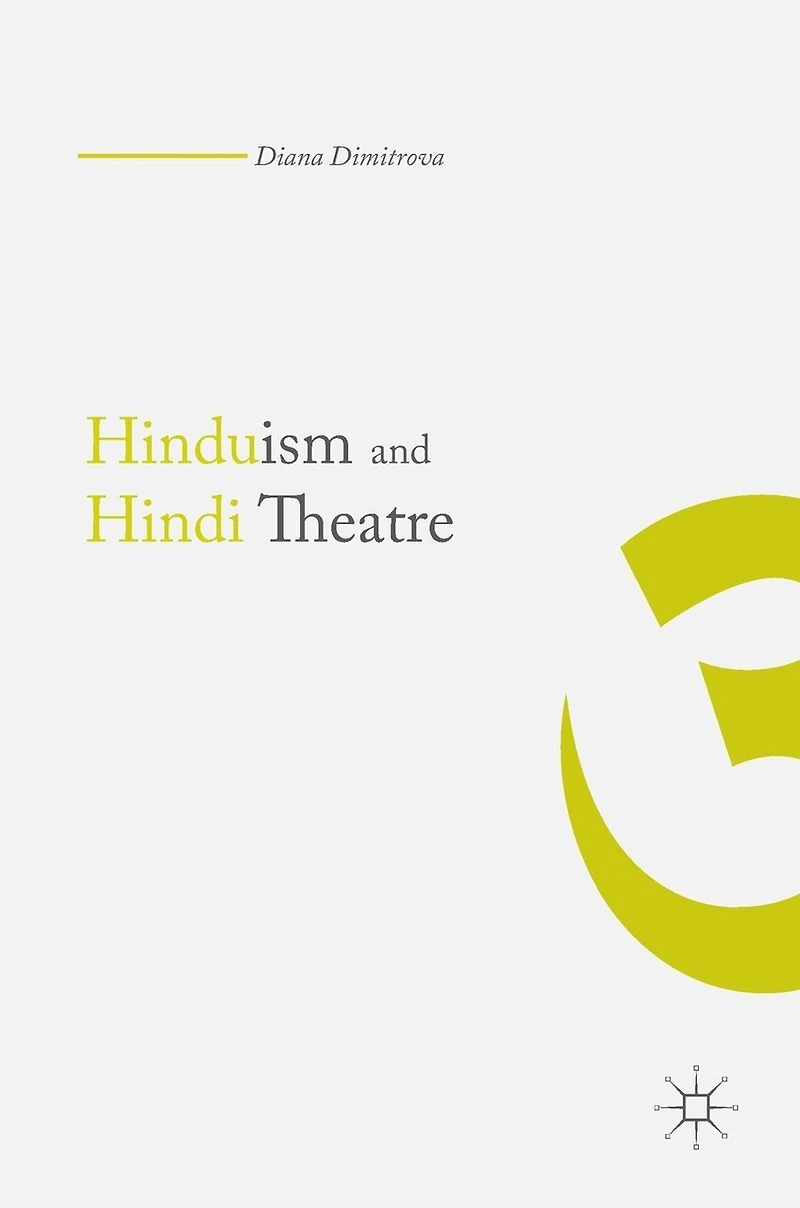
Hinduism and Hindi Theater
Current price: $80.50

Hinduism and Hindi Theater
Current price: $80.50
Loading Inventory...
Size: Hardcover
*Product information may vary - to confirm product availability, pricing, shipping and return information please contact Indigo
This book explores the representation of Hinduism through myth and discourse in urban Hindi theatre in the period 1880-1960. It discusses representative works of seven influential playwrights and looks into the ways they have imagined and re-imagined Hindu traditions. Diana Dimitrova examines the intersections of Hinduism and Hindi theatre, emphasizing the important role that both myth and discourse play in the representation of Hindu traditions in the works of Bharatendu Harishcandra, Jayshankar Prasad, Lakshminarayan Mishra, Jagdishcandra Mathur, Bhuvaneshvar, Upendranath Ashk, and Mohan Rakesh. Dimitrova'a analysis suggests either a traditionalist or a more modernist stance toward religious issues. She emphasizes the absence of Hindi-speaking authors who deal with issues implicit to the Muslim or Sikh or Jain, etc. traditions. This prompts her to suggest that Hindi theatre of the period 1880-1960, as represented in the works of the seven dramatists discussed, should be seen as truly 'Hindu-Hindi' theatre.
This book explores the representation of Hinduism through myth and discourse in urban Hindi theatre in the period 1880-1960. It discusses representative works of seven influential playwrights and looks into the ways they have imagined and re-imagined Hindu traditions. Diana Dimitrova examines the intersections of Hinduism and Hindi theatre, emphasizing the important role that both myth and discourse play in the representation of Hindu traditions in the works of Bharatendu Harishcandra, Jayshankar Prasad, Lakshminarayan Mishra, Jagdishcandra Mathur, Bhuvaneshvar, Upendranath Ashk, and Mohan Rakesh. Dimitrova'a analysis suggests either a traditionalist or a more modernist stance toward religious issues. She emphasizes the absence of Hindi-speaking authors who deal with issues implicit to the Muslim or Sikh or Jain, etc. traditions. This prompts her to suggest that Hindi theatre of the period 1880-1960, as represented in the works of the seven dramatists discussed, should be seen as truly 'Hindu-Hindi' theatre.
You May Also Like








More About Indigo at Erin Mills Town Centre
The largest book retailer in Canada also offers toys, music, home décor, gifts and lifestyle products. What's Inside...Books, Magazines, CD’s and DVD’s, Toys and Gifts, Home Accents, Electronics, Baby’s and Children’s Section, Bath and Body, Kitchen and Bedroom, Stationary Located outside in the exterior plaza.
5015 Glen Erin Dr, Mississauga, ON L5M 0R7, Canada
Find Indigo at Erin Mills Town Centre in Mississauga ON
Visit Indigo at Erin Mills Town Centre in Mississauga ON