

GIVE THE PERFECT GIFT
Erin Mills Town Centre Gift Cards are the perfect choice for your gift giving needs.Purchase gift cards at kiosks near the food court or centre court, at Guest Services, or click below to purchase online.PURCHASE HEREHome
History Beyond Trauma
Indigo
Loading Inventory...
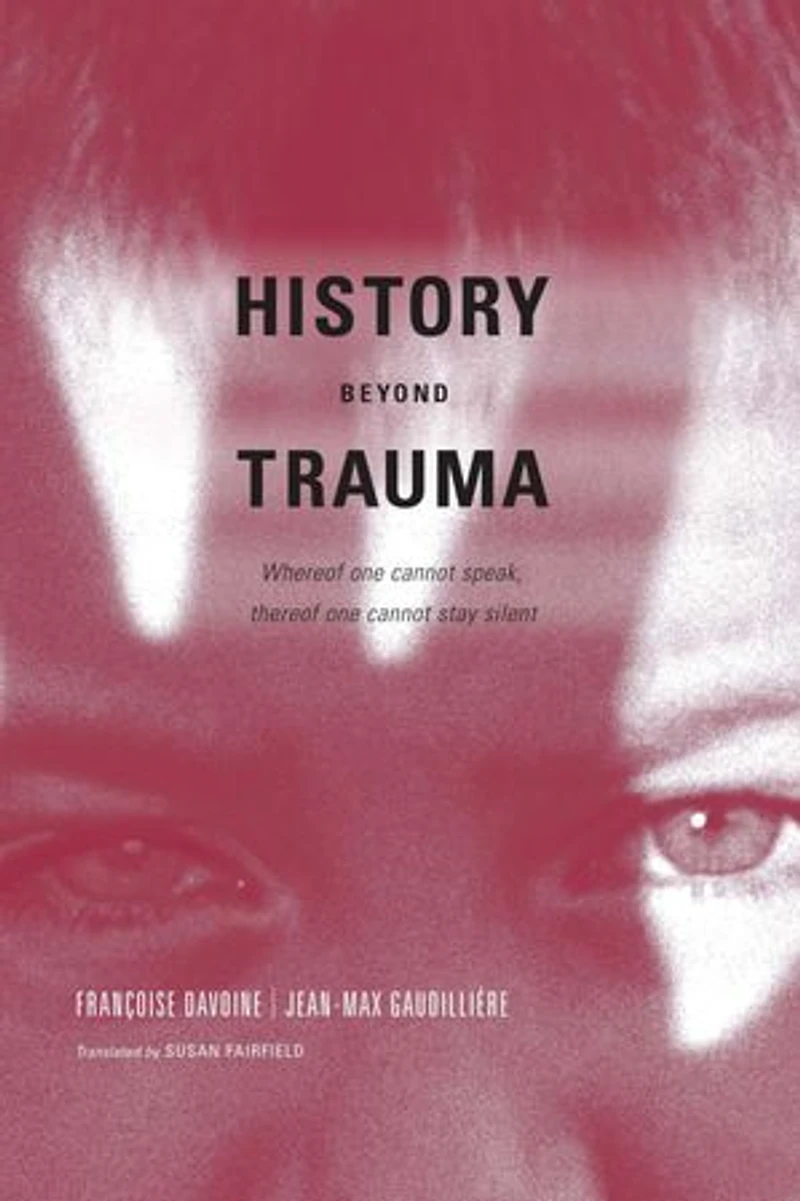
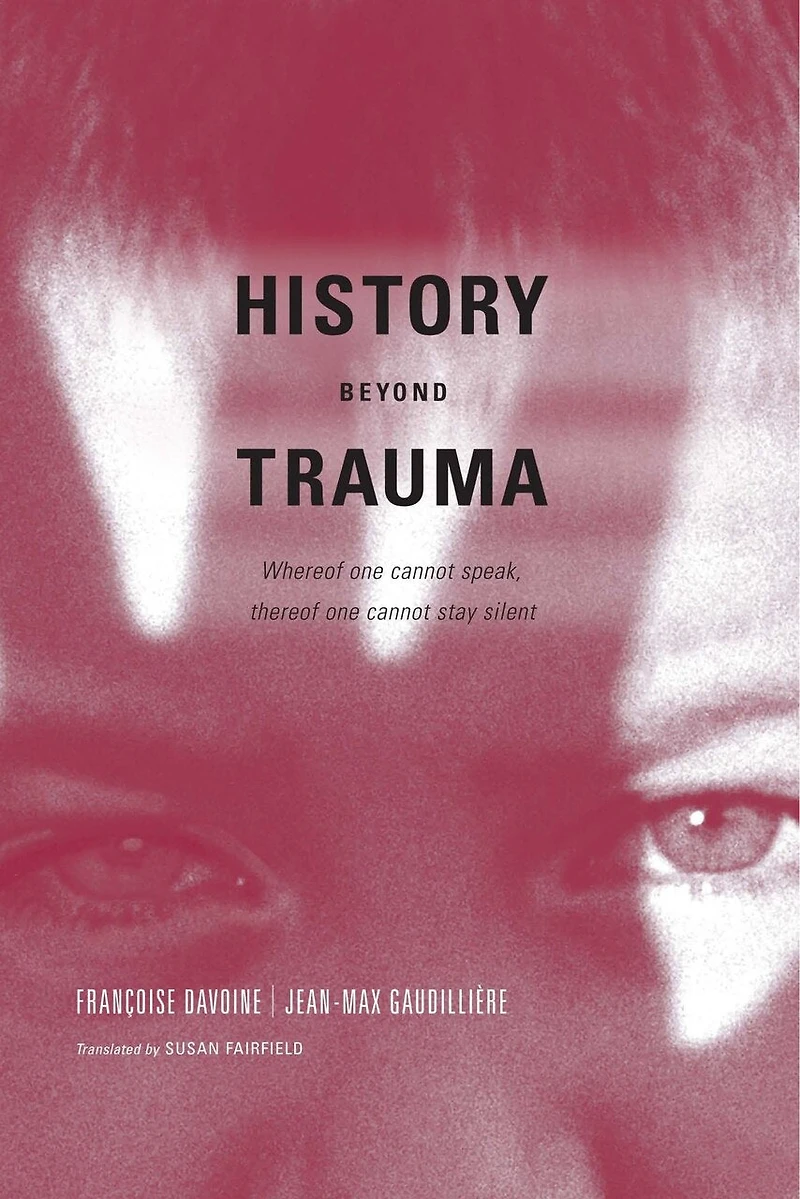
History Beyond Trauma
Current price: $23.19
Original price: $28.99

History Beyond Trauma
Current price: $23.19
Original price: $28.99
Loading Inventory...
Size: Kobo eBook
*Product information may vary - to confirm product availability, pricing, shipping and return information please contact Indigo
In the course of nearly thirty years of work with patients in psychiatric hospitals and private practice, Francoise Davoine and Jean-Max Gaudilliere have uncovered the ways in which transference and countertransference are affected by the experience of social catastrophe. Handed down from one generation to the next, the unspoken horrors of war, betrayal, dissociation, and disaster in the families of patient and analyst alike are not only revived in the therapeutic relationship but, when understood, actually provide the keys to the healing process.
The authors present vivid examples of clinical work with severely traumatized patients, reaching inward to their own intimate family histories as shaped by the Second World War and outward toward an exceptionally broad range of cultural references to literature, philosophy, political theory, and anthropology. Using examples from medieval carnivals and Japanese No theater, to Wittgenstein and Hannah Arendt, to Sioux rituals in North Dakota, they reveal the ways in which psychological damage is done--and undone.
With a special focus on the relationship between psychoanalysis and the neurosciences, Davoine and Gaudilliere show how the patient-analyst relationship opens pathways of investigation into the nature of madness, whether on the scale of History--world wars, Vietnam--or on the scale of Story--the silencing of horror within an individual family.
In order to show how the therapeutic approach to trauma was developed on the basis of war psychiatry, the authors ground their clinical theory in the work of Thomas Salmon, an American doctor from the time of the First World War. In their case studies, they illustrate how three of the four Salmon principles--proximity, immediacy, and expectancy--affect the handling of the transference-countertransference relationship. The fourth principle, simplicity, shapes the style in which the authors address their readers--that is, with the same clarity and directness with which they speak to their patients.
In the course of nearly thirty years of work with patients in psychiatric hospitals and private practice, Francoise Davoine and Jean-Max Gaudilliere have uncovered the ways in which transference and countertransference are affected by the experience of social catastrophe. Handed down from one generation to the next, the unspoken horrors of war, betrayal, dissociation, and disaster in the families of patient and analyst alike are not only revived in the therapeutic relationship but, when understood, actually provide the keys to the healing process.
The authors present vivid examples of clinical work with severely traumatized patients, reaching inward to their own intimate family histories as shaped by the Second World War and outward toward an exceptionally broad range of cultural references to literature, philosophy, political theory, and anthropology. Using examples from medieval carnivals and Japanese No theater, to Wittgenstein and Hannah Arendt, to Sioux rituals in North Dakota, they reveal the ways in which psychological damage is done--and undone.
With a special focus on the relationship between psychoanalysis and the neurosciences, Davoine and Gaudilliere show how the patient-analyst relationship opens pathways of investigation into the nature of madness, whether on the scale of History--world wars, Vietnam--or on the scale of Story--the silencing of horror within an individual family.
In order to show how the therapeutic approach to trauma was developed on the basis of war psychiatry, the authors ground their clinical theory in the work of Thomas Salmon, an American doctor from the time of the First World War. In their case studies, they illustrate how three of the four Salmon principles--proximity, immediacy, and expectancy--affect the handling of the transference-countertransference relationship. The fourth principle, simplicity, shapes the style in which the authors address their readers--that is, with the same clarity and directness with which they speak to their patients.
You May Also Like












More About Indigo at Erin Mills Town Centre
The largest book retailer in Canada also offers toys, music, home décor, gifts and lifestyle products. What's Inside...Books, Magazines, CD’s and DVD’s, Toys and Gifts, Home Accents, Electronics, Baby’s and Children’s Section, Bath and Body, Kitchen and Bedroom, Stationary Located outside in the exterior plaza.
5015 Glen Erin Dr, Mississauga, ON L5M 0R7, Canada
Find Indigo at Erin Mills Town Centre in Mississauga ON
Visit Indigo at Erin Mills Town Centre in Mississauga ON