

GIVE THE PERFECT GIFT
Erin Mills Town Centre Gift Cards are the perfect choice for your gift giving needs.Purchase gift cards at kiosks near the food court or centre court, at Guest Services, or click below to purchase online.PURCHASE HEREHome
History Education in Lebanon and the Borders of the Nation
Indigo
Loading Inventory...
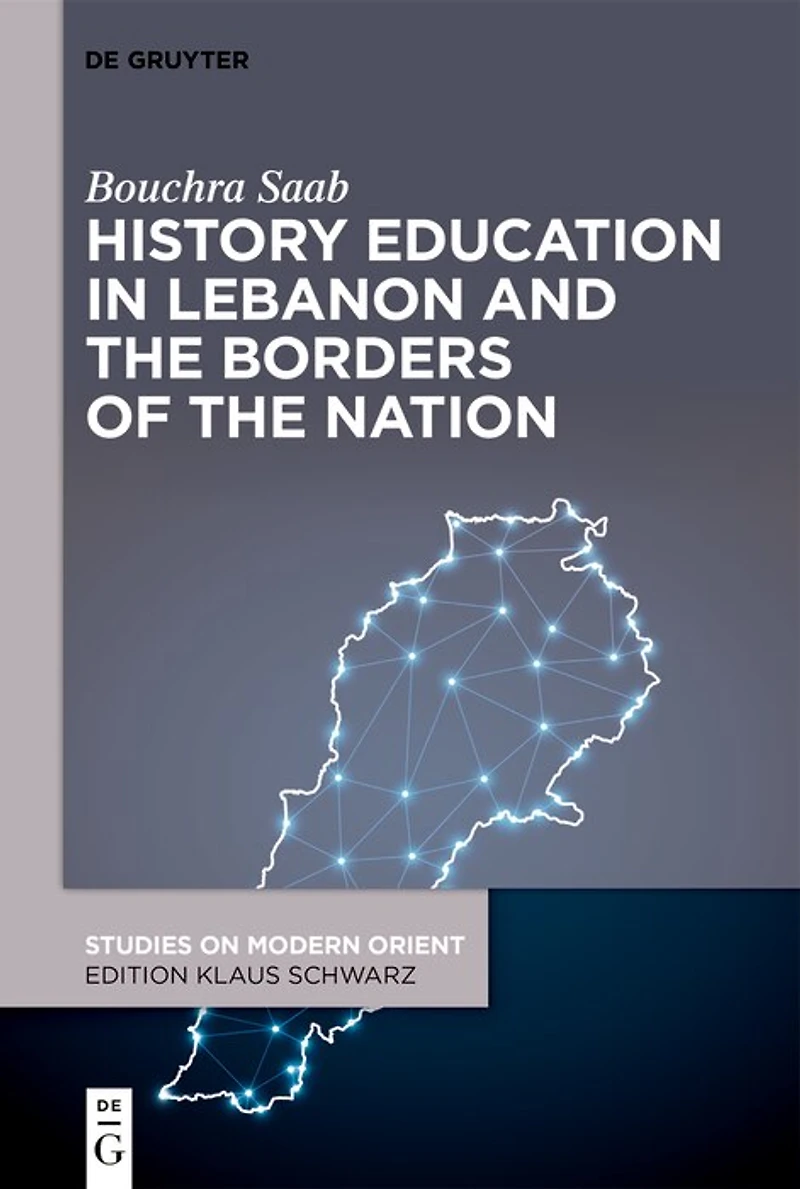
History Education in Lebanon and the Borders of the Nation
Current price: $162.99

History Education in Lebanon and the Borders of the Nation
Current price: $162.99
Loading Inventory...
Size: Hardcover
*Product information may vary - to confirm product availability, pricing, shipping and return information please contact Indigo
This study shows that widely used history textbooks in Lebanon are more standardized and censored than in most liberal democratic countries, and relatively similar in form and content to textbooks from Syria and Iraq. A diversity of historical narratives has progressively converged into one dominant narrative which entails a standard definition of the »self«. In contrast, the »other« is defined through the exclusion of religious groups considered exogenous and ethnicities considered inferior. In addition, women are marginalized. Surprisingly, the textbooks affiliated with Hezbollah, a Shiite militia financed by the Iranian regime, depart to a certain extent from this definition. While most previous research on Lebanese history textbooks has focused on the diverging narratives of religious communities, this study views these textbooks as the outcome of a tension between two major forces: educational traditions, on the one hand, and contemporary politics, on the other.
This study shows that widely used history textbooks in Lebanon are more standardized and censored than in most liberal democratic countries, and relatively similar in form and content to textbooks from Syria and Iraq. A diversity of historical narratives has progressively converged into one dominant narrative which entails a standard definition of the »self«. In contrast, the »other« is defined through the exclusion of religious groups considered exogenous and ethnicities considered inferior. In addition, women are marginalized. Surprisingly, the textbooks affiliated with Hezbollah, a Shiite militia financed by the Iranian regime, depart to a certain extent from this definition. While most previous research on Lebanese history textbooks has focused on the diverging narratives of religious communities, this study views these textbooks as the outcome of a tension between two major forces: educational traditions, on the one hand, and contemporary politics, on the other.
You May Also Like







More About Indigo at Erin Mills Town Centre
The largest book retailer in Canada also offers toys, music, home décor, gifts and lifestyle products. What's Inside...Books, Magazines, CD’s and DVD’s, Toys and Gifts, Home Accents, Electronics, Baby’s and Children’s Section, Bath and Body, Kitchen and Bedroom, Stationary Located outside in the exterior plaza.
5015 Glen Erin Dr, Mississauga, ON L5M 0R7, Canada
Find Indigo at Erin Mills Town Centre in Mississauga ON
Visit Indigo at Erin Mills Town Centre in Mississauga ON