

GIVE THE PERFECT GIFT
Erin Mills Town Centre Gift Cards are the perfect choice for your gift giving needs.Purchase gift cards at kiosks near the food court or centre court, at Guest Services, or click below to purchase online.PURCHASE HEREHome
Hölderlin's Hymns "Germania" and "The Rhine"
Indigo
Loading Inventory...
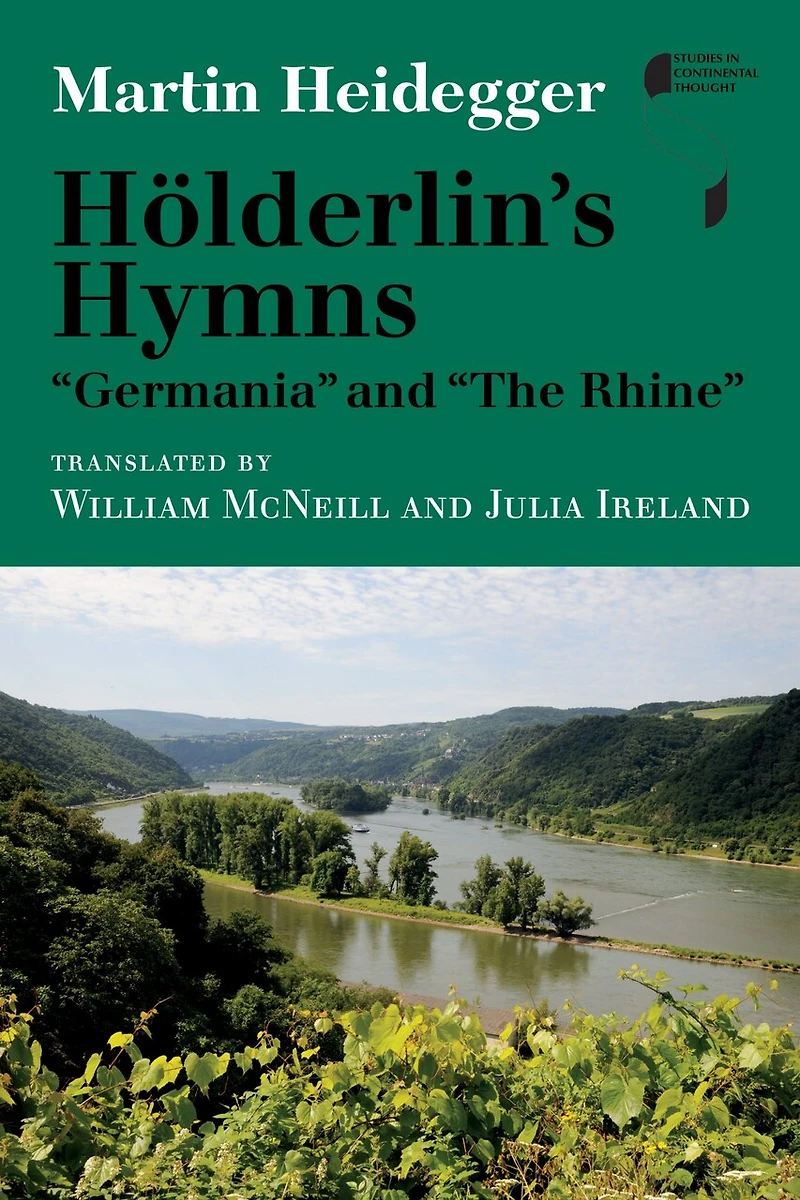

Hölderlin's Hymns "Germania" and "The Rhine"
Current price: $65.95

Hölderlin's Hymns "Germania" and "The Rhine"
Current price: $65.95
Loading Inventory...
Size: Hardcover
*Product information may vary - to confirm product availability, pricing, shipping and return information please contact Indigo
Martin Heidegger's 1934?1935 lectures on Friedrich H�lderlin's hymns "Germania" and "The Rhine" are considered the most significant among Heidegger's lectures on H�lderlin. Coming at a crucial time in his career, the text illustrates Heidegger's turn toward language, art, and poetry while reflecting his despair at his failure to revolutionize the German university and his hope for a more profound revolution through the German language, guided by H�lderlin's poetry. These lectures are important for understanding Heidegger's changing relation to politics, his turn toward Nietzsche, his thinking about the German language, and his breakthrough to a new kind of poetic thinking. First published in 1980 as volume 39 of Heidegger's Complete Works, this graceful and rigorous English-language translation will be widely discussed in continental philosophy and literary theory.
Martin Heidegger's 1934?1935 lectures on Friedrich H�lderlin's hymns "Germania" and "The Rhine" are considered the most significant among Heidegger's lectures on H�lderlin. Coming at a crucial time in his career, the text illustrates Heidegger's turn toward language, art, and poetry while reflecting his despair at his failure to revolutionize the German university and his hope for a more profound revolution through the German language, guided by H�lderlin's poetry. These lectures are important for understanding Heidegger's changing relation to politics, his turn toward Nietzsche, his thinking about the German language, and his breakthrough to a new kind of poetic thinking. First published in 1980 as volume 39 of Heidegger's Complete Works, this graceful and rigorous English-language translation will be widely discussed in continental philosophy and literary theory.
You May Also Like









More About Indigo at Erin Mills Town Centre
The largest book retailer in Canada also offers toys, music, home décor, gifts and lifestyle products. What's Inside...Books, Magazines, CD’s and DVD’s, Toys and Gifts, Home Accents, Electronics, Baby’s and Children’s Section, Bath and Body, Kitchen and Bedroom, Stationary Located outside in the exterior plaza.
5015 Glen Erin Dr, Mississauga, ON L5M 0R7, Canada
Find Indigo at Erin Mills Town Centre in Mississauga ON
Visit Indigo at Erin Mills Town Centre in Mississauga ON