

GIVE THE PERFECT GIFT
Erin Mills Town Centre Gift Cards are the perfect choice for your gift giving needs.Purchase gift cards at kiosks near the food court or centre court, at Guest Services, or click below to purchase online.PURCHASE HEREHome
Honoring Ancestors Sacred Space: The Archaeology of an Eighteenth-Century African-Bahamian Cemetery
Indigo
Loading Inventory...
Honoring Ancestors Sacred Space: The Archaeology of an Eighteenth-Century African-Bahamian Cemetery
Current price: $94.00

Honoring Ancestors Sacred Space: The Archaeology of an Eighteenth-Century African-Bahamian Cemetery
Current price: $94.00
Loading Inventory...
Size: Hardcover
*Product information may vary - to confirm product availability, pricing, shipping and return information please contact Indigo
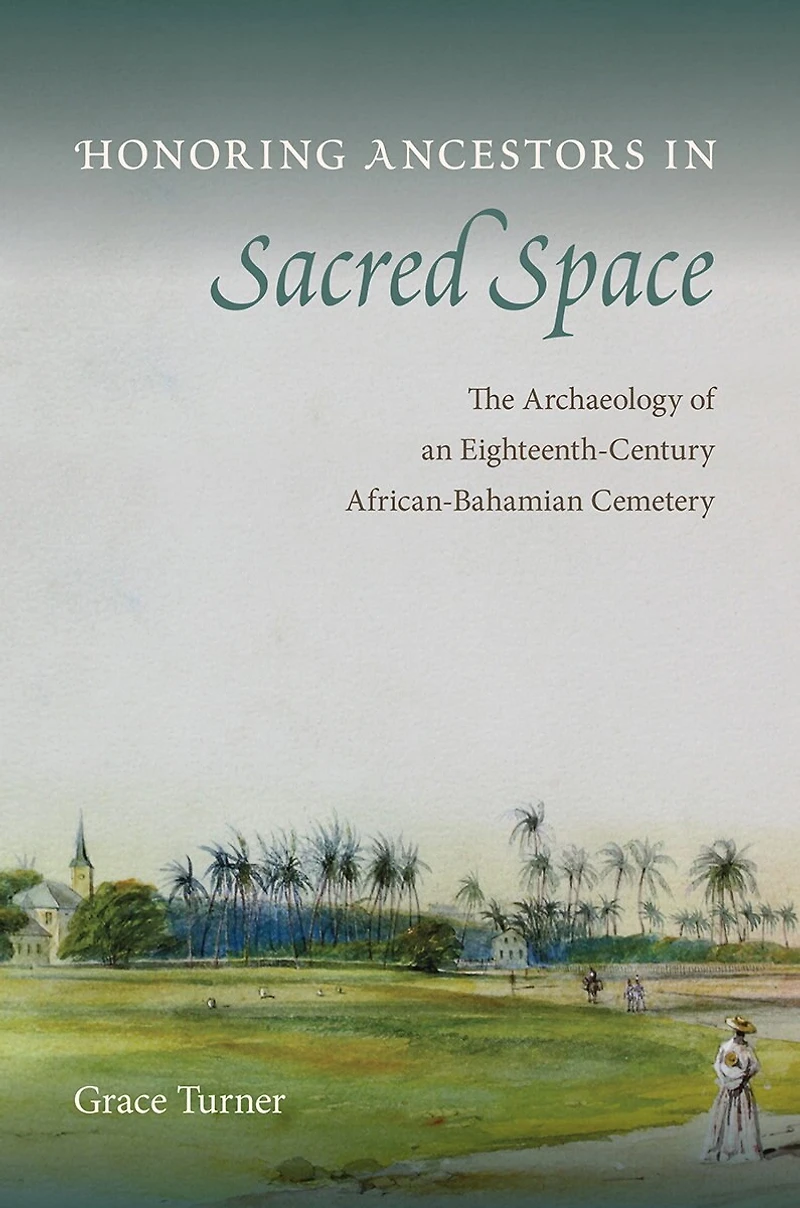
The Anglican Church established St. Matthew’s Parish on the eastern side of Nassau to accommodate a population increase after British Loyalists migrated to the Bahamas in the 1780s. The parish had three separate cemeteries: the churchyard cemetery and Centre Burial Ground were for whites, but the Northern Burial Ground was officially consecrated for nonwhites in 1826 by the Bishop of Jamaica. In Honoring Ancestors in Sacred Space , Grace Turner posits that the African-Bahamian community intentionally established this separate cemetery in order to observe non-European burial customs. Analyzing the landscape and artifacts found at the site, Turner shows how the community used this space to maintain a sense of social and cultural belonging despite the power of white planters and the colonial government. Although the Northern Burial Ground was covered by storm surges in the 1920s, and later a sidewalk was built through the site, Turner’s fieldwork reveals a wealth of material culture. She points to the cemetery’s location near water, trees planted at the heads of graves, personal items left with the dead, and remnants of food offerings as evidence of mortuary practices originating in West and Central Africa. According to Turner, these African-influenced ways of memorializing the dead illustrate W. E. B. Du Bois’s idea of “double consciousness”—the experience of existing in two irreconcilable cultures at the same time. Comparing the burial ground with others in Great Britain and the American colonies, Turner demonstrates how Africans in the Atlantic diaspora did not always adopt European customs but often created a separate, parallel world for themselves. A volume in the Florida Museum of Natural History: Ripley P. Bullen Series
The Anglican Church established St. Matthew’s Parish on the eastern side of Nassau to accommodate a population increase after British Loyalists migrated to the Bahamas in the 1780s. The parish had three separate cemeteries: the churchyard cemetery and Centre Burial Ground were for whites, but the Northern Burial Ground was officially consecrated for nonwhites in 1826 by the Bishop of Jamaica. In Honoring Ancestors in Sacred Space , Grace Turner posits that the African-Bahamian community intentionally established this separate cemetery in order to observe non-European burial customs. Analyzing the landscape and artifacts found at the site, Turner shows how the community used this space to maintain a sense of social and cultural belonging despite the power of white planters and the colonial government. Although the Northern Burial Ground was covered by storm surges in the 1920s, and later a sidewalk was built through the site, Turner’s fieldwork reveals a wealth of material culture. She points to the cemetery’s location near water, trees planted at the heads of graves, personal items left with the dead, and remnants of food offerings as evidence of mortuary practices originating in West and Central Africa. According to Turner, these African-influenced ways of memorializing the dead illustrate W. E. B. Du Bois’s idea of “double consciousness”—the experience of existing in two irreconcilable cultures at the same time. Comparing the burial ground with others in Great Britain and the American colonies, Turner demonstrates how Africans in the Atlantic diaspora did not always adopt European customs but often created a separate, parallel world for themselves. A volume in the Florida Museum of Natural History: Ripley P. Bullen Series
You May Also Like








More About Indigo at Erin Mills Town Centre
The largest book retailer in Canada also offers toys, music, home décor, gifts and lifestyle products. What's Inside...Books, Magazines, CD’s and DVD’s, Toys and Gifts, Home Accents, Electronics, Baby’s and Children’s Section, Bath and Body, Kitchen and Bedroom, Stationary Located outside in the exterior plaza.
5015 Glen Erin Dr, Mississauga, ON L5M 0R7, Canada
Find Indigo at Erin Mills Town Centre in Mississauga ON
Visit Indigo at Erin Mills Town Centre in Mississauga ON