

GIVE THE PERFECT GIFT
Erin Mills Town Centre Gift Cards are the perfect choice for your gift giving needs.Purchase gift cards at kiosks near the food court or centre court, at Guest Services, or click below to purchase online.PURCHASE HEREHome
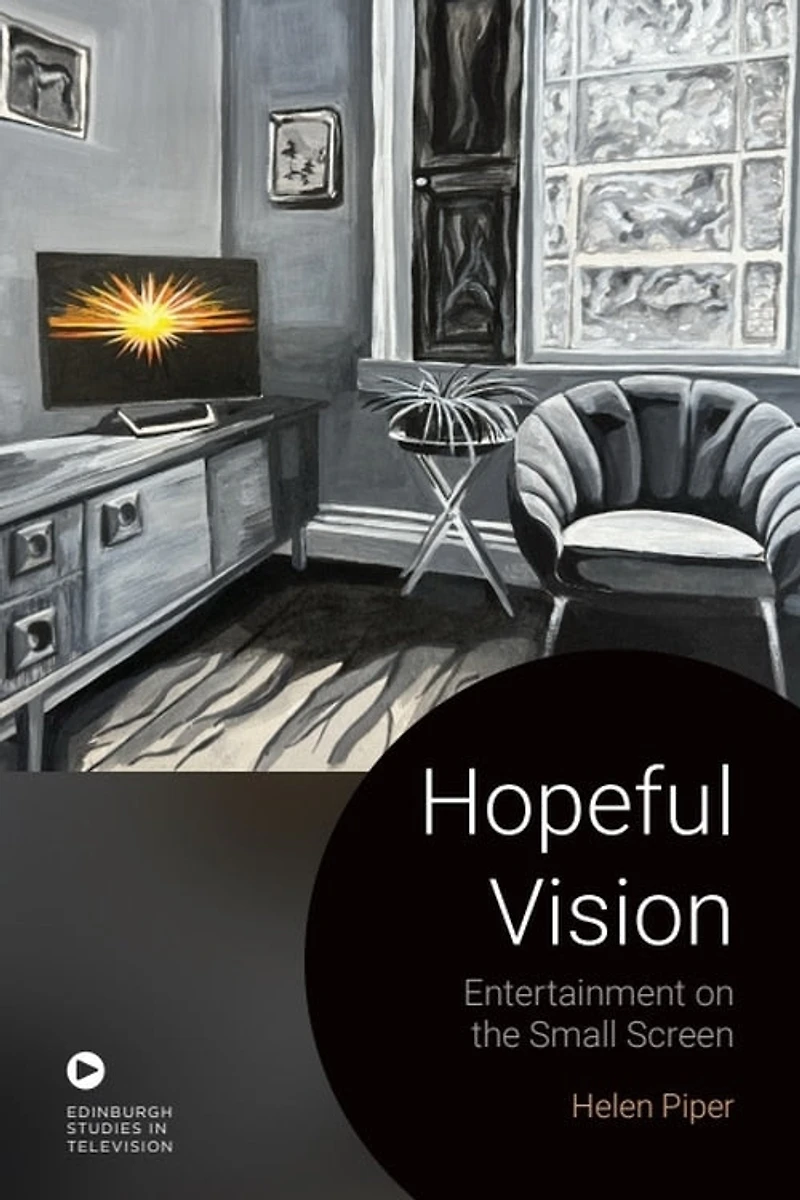
Hopeful Vision: Entertainment on the Small Screen
Indigo
Loading Inventory...
Hopeful Vision: Entertainment on the Small Screen
Current price: $149.99

Hopeful Vision: Entertainment on the Small Screen
Current price: $149.99
Loading Inventory...
Size: Hardcover
*Product information may vary - to confirm product availability, pricing, shipping and return information please contact Indigo
This monograph recuperates the concept of entertainment as a legitimate basis for ‘small screen’ criticism. It suggests that critical approaches to television might treat the text as an object of potential which actively engages and provides for aesthetic experience through entertainment.
Aesthetic experience is characterised by emotion, and this study shows how the textual production of specifically forward feelings such as anticipation, aspiration, fear or dread may be mobilised and made sense of, shaping our sense of the future and its objects of hope. The argument is demonstrated by case studies arranged from ‘light’ to ‘dark’ in tone - as varied as Eurovision and Succession , The Repair Shop and The Leftovers – showing how these provide potentially significant, affecting encounters that are ‘hopeful’ in varying degrees and guises. Hope is adopted both as a theme of analysis and as a critical strategy of interpretation which privileges entertainment efficacy, and thus moves towards a more viewer-centric appreciation of cultural value.
This monograph recuperates the concept of entertainment as a legitimate basis for ‘small screen’ criticism. It suggests that critical approaches to television might treat the text as an object of potential which actively engages and provides for aesthetic experience through entertainment.
Aesthetic experience is characterised by emotion, and this study shows how the textual production of specifically forward feelings such as anticipation, aspiration, fear or dread may be mobilised and made sense of, shaping our sense of the future and its objects of hope. The argument is demonstrated by case studies arranged from ‘light’ to ‘dark’ in tone - as varied as Eurovision and Succession , The Repair Shop and The Leftovers – showing how these provide potentially significant, affecting encounters that are ‘hopeful’ in varying degrees and guises. Hope is adopted both as a theme of analysis and as a critical strategy of interpretation which privileges entertainment efficacy, and thus moves towards a more viewer-centric appreciation of cultural value.
You May Also Like













More About Indigo at Erin Mills Town Centre
The largest book retailer in Canada also offers toys, music, home décor, gifts and lifestyle products. What's Inside...Books, Magazines, CD’s and DVD’s, Toys and Gifts, Home Accents, Electronics, Baby’s and Children’s Section, Bath and Body, Kitchen and Bedroom, Stationary Located outside in the exterior plaza.
5015 Glen Erin Dr, Mississauga, ON L5M 0R7, Canada
Find Indigo at Erin Mills Town Centre in Mississauga ON
Visit Indigo at Erin Mills Town Centre in Mississauga ON