

GIVE THE PERFECT GIFT
Erin Mills Town Centre Gift Cards are the perfect choice for your gift giving needs.Purchase gift cards at kiosks near the food court or centre court, at Guest Services, or click below to purchase online.PURCHASE HEREHome
Hospitable Linguistics: Alternative, Indigenous and Critical Approaches to Language Research Encounters
Indigo
Loading Inventory...
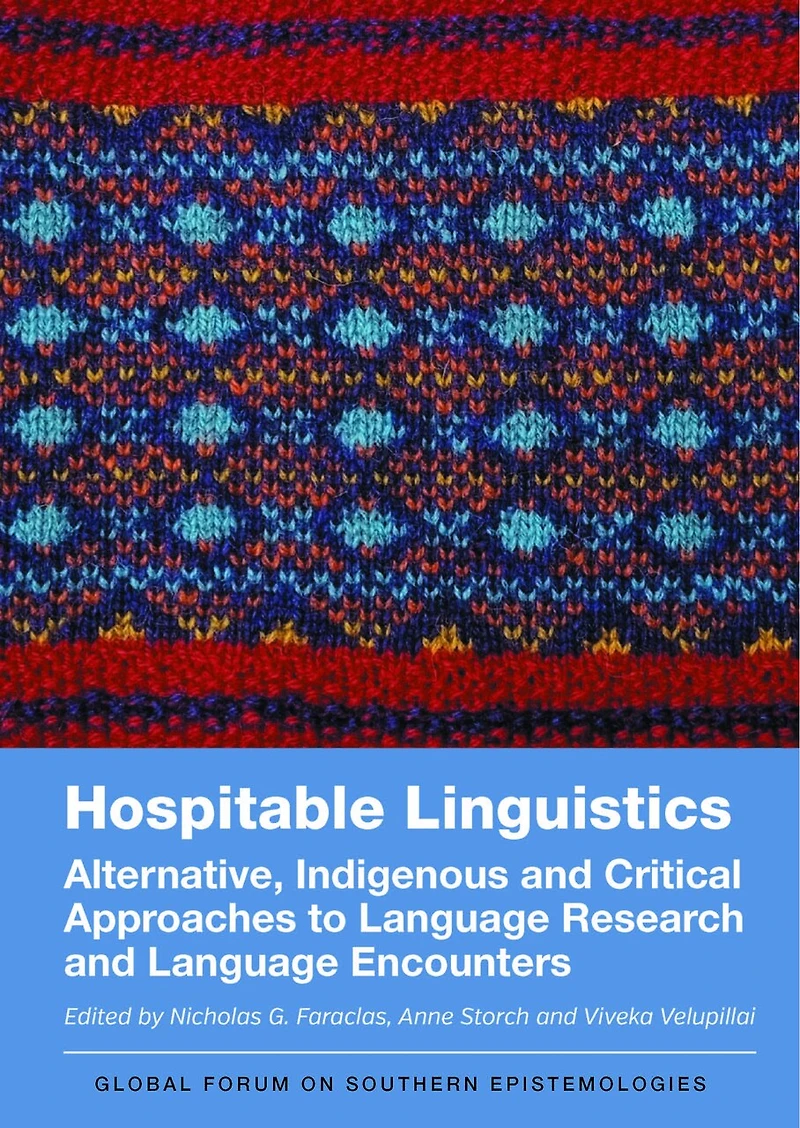
Hospitable Linguistics: Alternative, Indigenous and Critical Approaches to Language Research Encounters
Current price: $264.95

Hospitable Linguistics: Alternative, Indigenous and Critical Approaches to Language Research Encounters
Current price: $264.95
Loading Inventory...
Size: Hardcover
*Product information may vary - to confirm product availability, pricing, shipping and return information please contact Indigo
Challenging the boundaries of linguistics as a field, and transgressing the limitations of genre in writing about language, this book explores the possibilities of what the authors call a ‘hospitable linguistics’. It offers a critical discussion of how linguistics endeavors to domesticate, subdue and integrate both people and languages into existing academic structures and theories, and how as a discipline academic linguistics has barely begun to move beyond its colonial, patriarchal and conservative foundations. In this book, leading figures in their fields reflect on their own and others’ practices and experiences in three key areas: the agency and power of refugees and migrants; indigenous people’s (in)hospitable responses to strangers; and hospitable language as expressed through art, music and artefacts. As a whole, the book represents a crucial intervention in attempts to fashion a new, more integrative, responsible and respectful linguistics that makes way for the ideas of people who are often the object of study.
Challenging the boundaries of linguistics as a field, and transgressing the limitations of genre in writing about language, this book explores the possibilities of what the authors call a ‘hospitable linguistics’. It offers a critical discussion of how linguistics endeavors to domesticate, subdue and integrate both people and languages into existing academic structures and theories, and how as a discipline academic linguistics has barely begun to move beyond its colonial, patriarchal and conservative foundations. In this book, leading figures in their fields reflect on their own and others’ practices and experiences in three key areas: the agency and power of refugees and migrants; indigenous people’s (in)hospitable responses to strangers; and hospitable language as expressed through art, music and artefacts. As a whole, the book represents a crucial intervention in attempts to fashion a new, more integrative, responsible and respectful linguistics that makes way for the ideas of people who are often the object of study.
You May Also Like









More About Indigo at Erin Mills Town Centre
The largest book retailer in Canada also offers toys, music, home décor, gifts and lifestyle products. What's Inside...Books, Magazines, CD’s and DVD’s, Toys and Gifts, Home Accents, Electronics, Baby’s and Children’s Section, Bath and Body, Kitchen and Bedroom, Stationary Located outside in the exterior plaza.
5015 Glen Erin Dr, Mississauga, ON L5M 0R7, Canada
Find Indigo at Erin Mills Town Centre in Mississauga ON
Visit Indigo at Erin Mills Town Centre in Mississauga ON